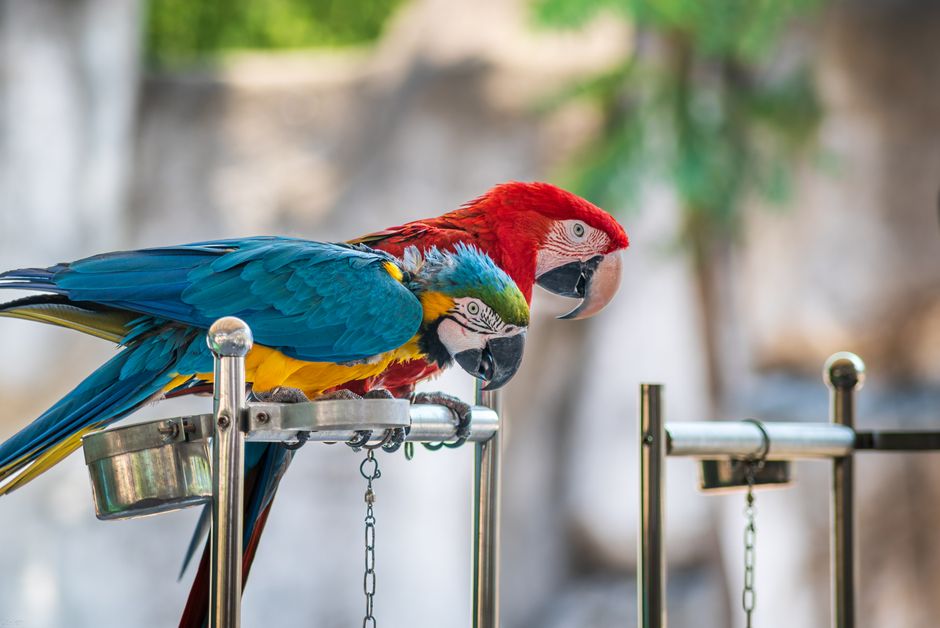
Safe DIY Pet Bird Toys to Keep Your Parrot Busy
Keeping a pet bird happy and mentally active can sometimes feel like a continuous challenge, especially when store bought acrylic and wooden toys get destroyed within minutes. Many bird owners turn to home crafting to offer daily enrichment without spending a fortune at the pet store every week. Making your own bird crafts allows you to customize puzzle challenges to your feathered friend's exact personality while maintaining total control over material safety. Check out our main birds section for even more habitat ideas and species care tips.
What Safe Materials Can You Use for DIY Pet Bird Toys?
You can safely craft homemade toys for pet birds using plain unbleached paper, clean cardboard, natural fiber ropes, and untreated hardwood blocks. Foraging toys are easily constructed by rolling treats inside unprinted paper cups or stuffing plain cardboard tubes with shredded paper. You can also string untreated wood beads, stainless steel measuring spoons, and natural vine balls onto hemp or jute twine to make interactive hanging crafts. These items encourage natural behaviors like shredding, preening, and foraging without introducing harsh industrial chemicals. If you are ever unsure about whether a specific wood or household item is toxic to your pet bird, consult an exotic animal veterinarian for tailored safety advice.
Which Common Household Items Are Unsafe for Pet Birds?
Always avoid pressure treated lumber, painted woods, metal items containing zinc or lead, hot glue, and fine synthetic strings that can tangle around feet or tongues. Cardboard that features heavy glossy inks, scented tissues, and soft plastics should also be kept away from your pet. Synthetic fabrics can tear into long threads that pose a serious crop impaction risk if swallowed, so stick strictly to natural, edible, or bird safe raw materials.
How Do Foraging Toys Help Prevent Boredom in Pet Birds?
Foraging toys prevent boredom in pet birds by forcing them to use their natural problem solving skills to search, chew, and work for their food. In the wild, birds spend a large portion of their waking hours searching for meals, peeling bark, and cracking open seed pods. When food is served in a simple dish every day, captive birds miss out on essential mental workouts, which can lead to feather plucking or excessive screaming. By placing seeds inside wrapped paper packages, woven grass mats, or stacked paper cups, you recreate wild foraging challenges right inside the cage.
How Can You Make an Easy Paper Foraging Roll?
Take an unprinted paper towel tube and cut three or four small slits along the sides. Insert small pieces of nut or healthy dried fruit into the middle, then pack both open ends tightly with shredded unprinted paper. Hang the tube horizontally in the cage or place it on a clean play gym so your bird has to tear through the paper walls to reach the hidden treats inside.
How Often Should You Rotate DIY Toys in a Bird Cage?
You should rotate toys in a bird cage every one to two weeks to maintain novel interest and keep your pet bird mentally sharp. Leaving the exact same crafts hanging in the cage for months leads to boredom, as birds quickly lose interest in familiar objects once the novelty wears off. Instead of constantly building dozens of new items, maintain a small basket of rotated crafts and swap out two or three pieces on a regular schedule. Reintroducing a simple cardboard puzzle after a few weeks in storage makes it feel fresh and exciting to your pet bird all over again.
What Are the Best Natural Materials for DIY Pet Bird Toys?
The best natural materials for DIY pet bird toys include non toxic fresh tree branches, bird safe pine cones, natural vine balls, and woven seagrass. Fresh branches from safe trees like apple, pear, or birch provide natural perching surfaces that vary in diameter, which helps keep your bird's foot muscles strong and healthy. Pine cones make fantastic natural foraging toys because you can tuck seeds and nut butter into the scales for a delicious foraging puzzle. Always ensure any natural items collected outdoors are harvested from areas completely free of pesticides, chemical fertilizers, and wild bird droppings.
How Do You Safely Clean Outdoor Wood for Pet Birds?
Before giving wild branches or pine cones to your pet, wash them thoroughly with warm water and plain dish soap, using a stiff brush to scrub away dirt. Rinsing thoroughly with clean water is essential to remove all soap residues completely. You can then bake the clean wood or pine cones in your oven at a low temperature for several hours to kill off any hidden insects, molds, or bacteria before offering them to your feathered friend.
Final Thoughts
Crafting simple homemade enrichment for your pet bird is a wonderful, budget friendly way to keep their minds active and prevent destructive behaviors. By sticking to plain, untreated materials and introducing new puzzle arrangements regularly, you create an engaging living space that supports your bird's emotional and physical health. Start collecting safe cardboard tubes and paper cups today to give your companion a fun new challenge.
Frequently Asked Questions
Can I use plain printer paper to make bird toys?
Yes, plain white printer paper is safe for pet birds as long as it has no chemical coatings or heavy inks. You can shred or fold it into simple foraging packages to keep your bird busy.
Are cardboard toilet paper rolls safe for birds?
Plain cardboard toilet paper rolls are safe as long as they are free of residual glue and synthetic dyes. Ensure your bird is shredding the cardboard rather than eating it.
What kind of rope is safest for pet bird toys?
Natural fiber ropes like untreated hemp, jute, sisal, and 100 percent cotton are the safest choices for pet bird toys. Avoid synthetic ropes like nylon, which can fray into dangerous threads and catch toes.
How do I know if a tree branch is safe for my bird cage?
Safe wood types include non toxic fruit trees like apple and pear, as well as birch, provided they have never been sprayed with pesticides. Clean and bake branches before placing them in the cage to destroy wild pests.
Explore More Birds Guides
 🦜Birds
Wild Parrots of San Francisco: Rescue and Urban Life
A wild red-masked parakeet was freed by firefighters in San Francisco, showing the unique challenges feral parrot flocks face in the city.
 🦜Birds
How to Bond with a Bird: Safe Steps for Pet Parents
Learn how to bond with a bird using gentle body language, predictable routines, and positive reinforcement to build lifelong trust.
 🦜Birds
How to Stop Parrot Screaming: Safe and Proven Fixes
Discover humane, practical strategies to calm a loud bird, eliminate attention shrieks, and restore peace to your home.