Sea Snakes in California: Why Tropical Species Appear
Sightings of tropical sea snakes in California waters have caught beachgoers and marine biologists by surprise. While Pacific waters along the West Coast are usually far too cold for warm-water reptiles, shifting ocean currents and warm temperature anomalies bring these fascinating creatures north. If you spot an unusual marine animal washed ashore, knowing how they live and how to react keeps both you and the wildlife safe.
Are There Venomous Sea Snakes in California Waters?
Yes, venomous sea snakes occasionally appear in California waters during warm ocean events, though they are not permanent residents. The most common species found along southern beaches is the yellow-bellied sea snake, a pelagic reptile that drifts with warm tropical currents.
These snakes spend their entire lives in open water. Unlike sea turtles, they do not crawl onto land to lay eggs because they give birth to live young at sea. Their paddle-shaped tails and flattened bodies make them clumsy on sand. When one turns up on a beach, it is almost always stranded, sick, or exhausted by cold water temperatures.
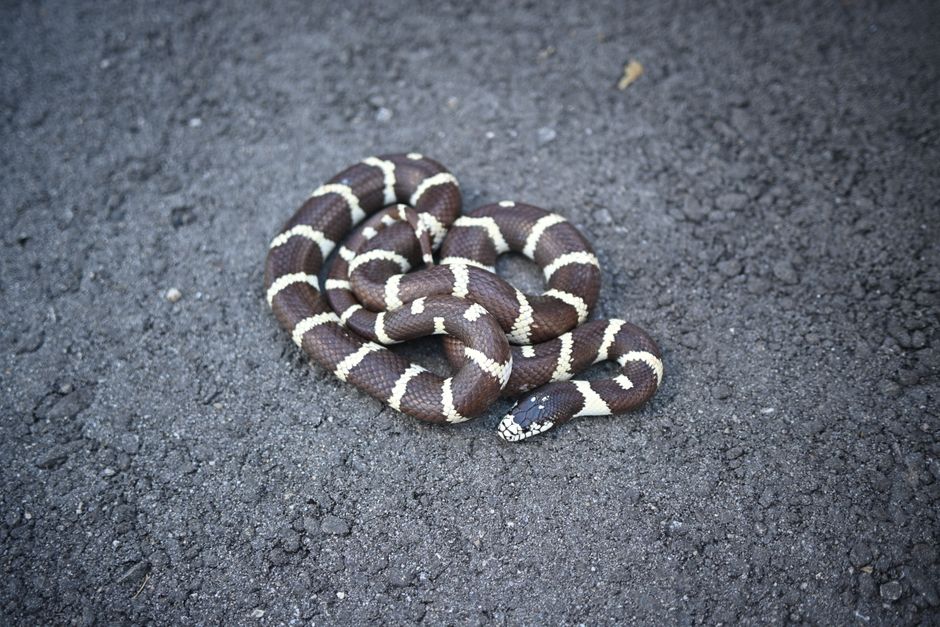
Yellow-bellied sea snakes carry potent venom used to paralyze small fish. Even though their fangs are small and they rarely bite humans unless handled, their venom requires respect. Much like learning are colorful snakes venomous, identifying a distinct bright yellow underside and black back can help beachgoers recognize this species from a safe distance.
Why Are Tropical Marine Animals Moving North to California?
Tropical marine animals move north to California when strong El Niño conditions and marine heatwaves push warm water currents up the Pacific coastline. These warm corridors allow species that usually stay near Central America and Mexico to travel hundreds of miles beyond their normal range.
Sea snakes are ectothermic, meaning they rely entirely on surrounding water temperatures to regulate their body heat. Normal coastal temperatures in Southern California are too chilly for their systems to function well. When a pulse of warm tropical water pushes northward, it acts like a temporary highway. The reptiles follow schools of baitfish and drift along the current edges without realizing they are leaving their home territory.
What Other Tropical Species Are Showing Up?
Sea snakes are not traveling alone during these warm-water spikes. Swimmers and fishermen have spotted whale sharks, hammerhead sharks, and nesting sea turtles far north of their typical feeding grounds. Gentle giants like whale sharks follow thick blooms of plankton that flourish when currents shift. While seeing a whale shark off the coast is an exciting sight for ocean lovers, these warm pulses also disrupt local cold-water ecosystems that local kelp forests and rockfish depend on.
Can Sea Snakes Survive in California Year-Round?
No, tropical sea snakes cannot survive in California year-round because water temperatures drop too low during regular winter months. As soon as seasonal upwelling returns and cold water pushes back in, stranded snakes experience severe cold stun, organ failure, and eventual death.
When a sea snake gets cold, its metabolism slows to a crawl. It loses the energy needed to swim against surface waves, which is why most sightings happen when waves wash weakened snakes onto sandy beaches. Local wildlife agencies often rescue stranded individuals, but reviving a severely chilled marine reptile is very difficult.
As an exotic pet parent or wildlife enthusiast, you should always research a species' full adult environmental needs before taking on any specialized reptile. Marine reptiles require highly precise salinity, water flow, and temperature parameters that make them completely unsuited for private home aquariums. If you ever have questions about caring for non-traditional captive reptiles, always consult an exotic-animal veterinarian for specific guidance.
What Should You Do If You Find a Sea Snake on the Beach?
If you find a sea snake on the beach, keep your distance, do not touch the animal, and call local animal control or a marine rescue organization right away. Even a stranded snake that looks still or dead can deliver a defensive bite if it feels threatened.
Here are the immediate steps you should take if you come across one:
- Stay back at least ten to fifteen feet to give the animal plenty of space.
- Keep children, curious dogs, and other beachgoers away from the area.
- Take a clear photo or video from a safe distance to help wildlife experts confirm the species.
- Note your exact location, including nearby landmarks, lifeguard towers, or GPS coordinates.
- Contact local lifeguards, state wildlife officials, or a local marine mammal stranding network.
Never try to drag the snake back into the surf by its tail. A snake washed up on sand is already suffering from hypothermia, so pushing it back into cold ocean waves will only speed up its decline. Wild venomous encounters in non-native habitats can cause confusion, similar to past incidents like the unusual Gaboon viper sighting in California, where trained authorities were needed to resolve the situation safely.
Final Thoughts
Seeing rare sea snakes in California is a striking reminder of how dynamic and interconnected our oceans really are. While these pelagic visitors are incredible to observe from afar, they are fragile animals struggling against temperatures they were never built to handle. Explore more RarePetCare guides to learn about unique reptile behaviors, habitat needs, and responsible care tips for unusual pets at home.
Frequently Asked Questions
Are yellow-bellied sea snakes aggressive to swimmers?
No, yellow-bellied sea snakes are docile and rarely bite humans unless they are grabbed, stepped on, or roughly handled.
Can a sea snake bite through a wetsuit?
Most sea snakes have very short fangs that cannot easily pierce standard neoprene wetsuits, though thick areas like seams still carry a slight risk.
Why do sea snakes wash ashore during storms?
Rough surf and cold currents overwhelm weakened sea snakes, making them unable to dive or swim against powerful surface waves pushing toward the beach.
Can you keep a sea snake as a pet?
No, sea snakes are legally protected, highly venomous, and impossible to care for properly in standard private home aquariums.
Explore More Reptiles Guides
 🦎Reptiles
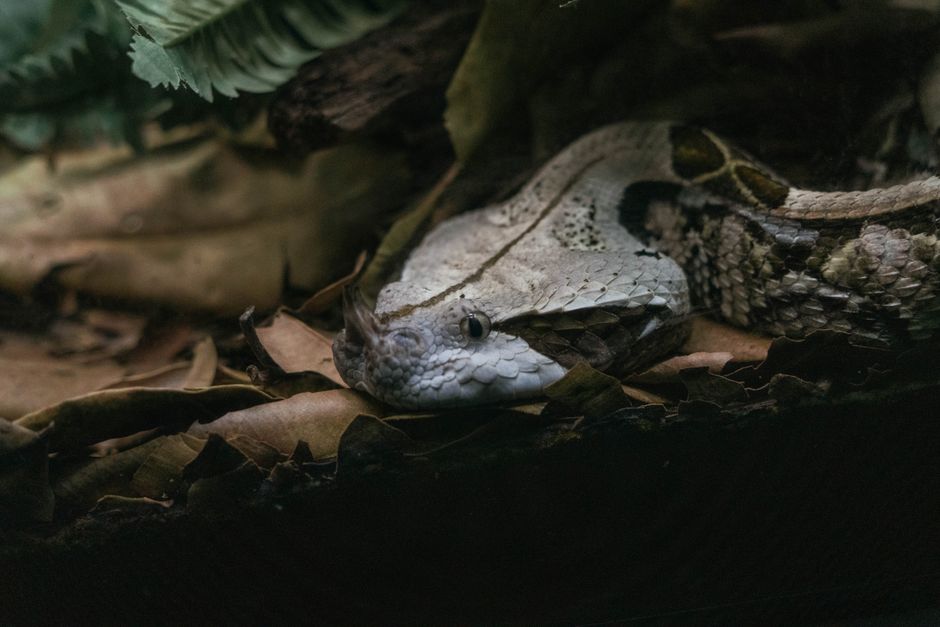
Gaboon Viper Sighting in California: What Happened
A viral Gaboon viper sighting in California sparked neighborhood panic, but police confirmed the entire encounter was an AI generated hoax.
 🦎Reptiles
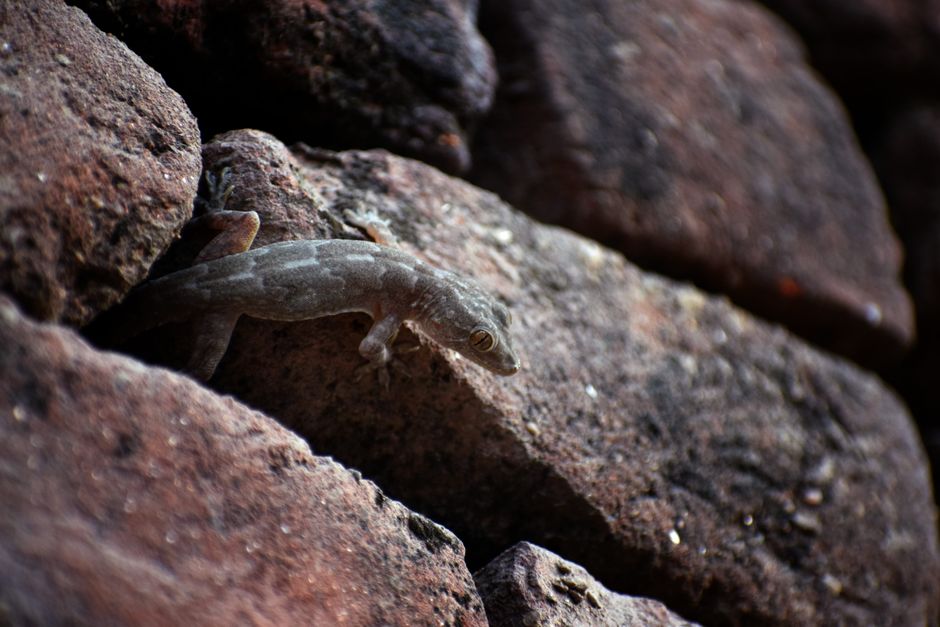
New Hemidactylus Gecko Species Found in India
Scientists have identified two new Hemidactylus gecko species in India's Deccan Peninsula, shedding light on hidden reptile diversity.
 🦎Reptiles
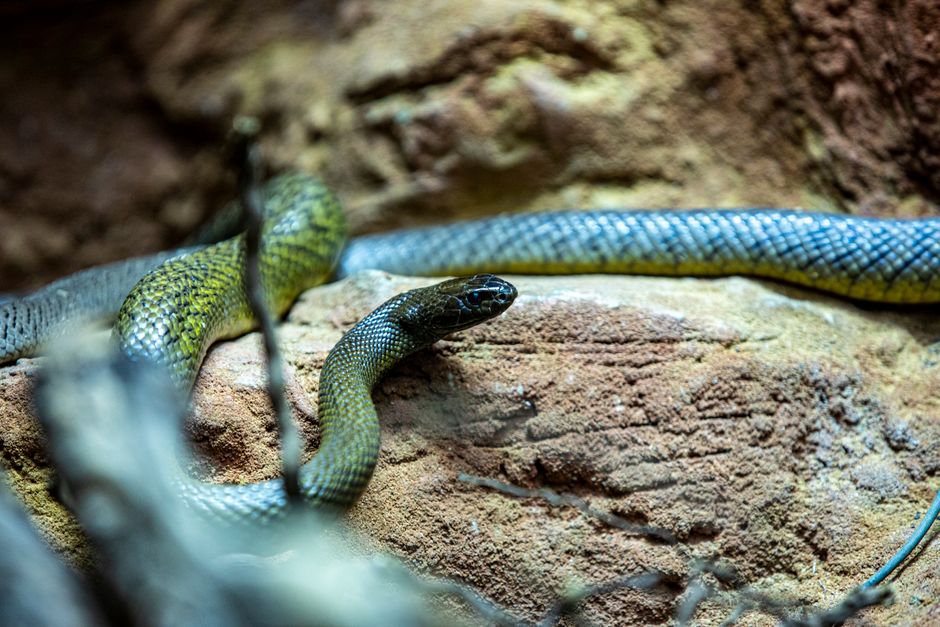
Are Colorful Snakes Venomous? What Science Says
Scientific studies show that bright, vivid snakes are far more likely to carry venom. Here is how warning colors work in the wild.