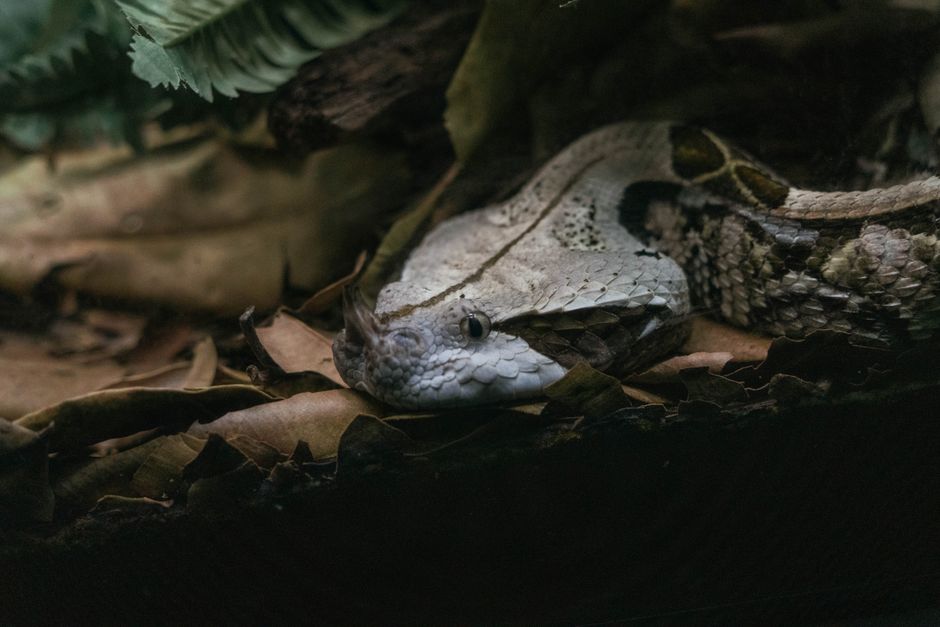
Gaboon Viper Sighting in California: What Happened
Rumors about dangerous exotic animals spread across neighborhood forums like wildfire. A reported Gaboon viper sighting recently caused widespread alarm among Southern California residents and reptile enthusiasts. However, local police officers quickly determined that the report was completely false after the reporting party admitted the circulated photo was created by artificial intelligence.
A Gaboon viper sighting refers to an encounter with Bitis gabonica, an extremely venomous heavy-bodied snake native to tropical sub-Saharan Africa. Because this species produces massive venom yields and possesses the longest fangs of any snake, an unconfirmed presence in an American neighborhood naturally triggers an immediate public safety response.
Why Did a Recent Gaboon Viper Sighting Spark Panic?
A recent Gaboon viper sighting in Orange County, California caused instant community alarm because these African vipers deliver lethal venom that can cause severe tissue destruction and cardiovascular failure in humans. When an alarming photograph appeared online claiming the snake was resting outdoors in a local community, neighbors feared a deadly pet had escaped into their backyards.
Local police officers acted quickly to trace the origin of the report. Upon interviewing the person who submitted the emergency claim, investigators discovered multiple inconsistencies in the story. The reporting party finally confessed that the snake was never there, and the realistic photo had been generated using artificial intelligence software.
While this particular emergency turned out to be fake, public concern was entirely understandable. Venomous snake bites require immediate hospital treatment with specific antivenom that local clinics rarely keep on hand for non-native African species. An accidental run-in with a snake of this size could easily put human lives and neighborhood pets at risk.
Can a Gaboon Viper Survive in California Outdoors?
A Gaboon viper cannot survive long term in the wild in California due to the state's dry climate, lack of tropical cover, and low winter temperatures. These ambush predators rely on thick layers of damp leaf litter and warm humidity that simply do not exist in dry Western suburbs.
During a hot summer week, an escaped tropical snake might manage to hide in a heavily watered garden or dense shrubbery. Once nighttime temperatures drop or the dry seasonal winds pick up, a Gaboon viper would struggle with dehydration and respiratory distress. Without proper environmental moisture, their sensitive respiratory systems fail quickly.
Native Habitat of the Gaboon Viper
In their native African home, these snakes inhabit dense rainforest floors and moist woodland edges. They spend weeks motionless among rotting leaves, using their geometric skin patterns as natural camouflage to ambush small mammals and birds.
Responsible reptile keepers always research a species full adult needs before buying any exotic animal, and dangerous venomous species require strict containment protocols alongside routine veterinary care from an exotic animal veterinarian. Recreating an African forest environment requires precise humidity systems, deep specialized substrate, and secure heating elements that nature does not provide in California.
How to Spot an AI Generated Snake Photo
You can spot an AI generated snake photo by checking for warped scale textures, irregular eye shapes, incorrect shadows, and blurry background elements. Computer algorithms frequently struggle to reproduce the clean geometric symmetry that real reptile scales display across every inch of skin.
Modern digital image tools produce convincing snapshots at first glance, but close inspection usually reveals digital flaws. Knowing what to inspect helps pet parents avoid falling for viral wildlife hoaxes on social media.
- Inspect the scale patterns around the head, looking for melted edges, smudged textures, or lines that blur together unnaturally.
- Examine the pupils and eye shape to ensure the eyes match on both sides and sit naturally inside genuine orbital scales.
- Look at the ground beneath the animal, checking whether shadows match the ambient light source or appear floating above the dirt.
- Check the snout for natural nostrils and heat-sensing pits, which AI image generators often forget or distort into odd pinholes.
- Look for strange background artifacts, such as warped garden hoses, twisted fence posts, or nonsensical plants that do not exist in nature.
Are Gaboon Vipers Legal to Keep as Pets?
Gaboon vipers are illegal to own as pets in California without an official restricted species permit issued by state wildlife authorities. These permits are typically reserved for scientific research institutions, educational exhibits, and accredited zoological parks rather than private hobbyists.
Most states enforce strict laws surrounding dangerous venomous reptiles. Keeping a viper requires escape-proof enclosures, double-door safety locks, strict bite protocols, and proven handling experience with hook tools. In states where private ownership is prohibited, keeping an illegal venomous snake can lead to heavy fines, criminal charges, and animal confiscation.
Many people find the striking patterns of vipers fascinating, but bright skin colors can be deceiving. You can explore our guide on whether colorful snakes are venomous to understand how nature uses bright patterns for defense and mimicry. Accurate identification is always essential, which is why scientists spend decades studying scale counts and genetics, just like researchers did when naming a new snake species found in remote habitats.
What Should You Do If You See a Dangerous Snake?
If you encounter an unfamiliar or potentially dangerous snake in your yard, back away slowly and maintain a safe distance of at least ten feet. Never attempt to poke, catch, move, or kill the snake, as most snakebites occur when people try to interact with the animal directly.
Keep your dogs, cats, and small children safely indoors until wildlife professionals arrive. Take a clear photograph from a safe distance using the zoom function on your mobile phone, which helps local animal control experts identify whether the snake is a harmless native gopher snake, a native rattlesnake, or an escaped exotic pet.
Contact your local animal control agency or a licensed wildlife removal service immediately. Professional handlers have the proper containment boxes and snake tongs needed to secure the reptile without putting anyone in danger.
Final Thoughts
A confirmed Gaboon viper sighting in a North American suburb would be an urgent public safety matter, but modern technology makes it easy for pranksters to spread believable hoaxes. Learning how to identify real reptile traits helps pet owners stay calm and separate digital fiction from genuine neighborhood wildlife. Explore our other RarePetCare guides to discover more fascinating facts about exotic reptile husbandry and responsible pet care.
Frequently Asked Questions
Was there an escaped Gaboon viper in Orange County?
No, local police investigated the report and confirmed the viral image was created with artificial intelligence, meaning no real viper was ever on the loose.
How dangerous is a Gaboon viper bite?
A Gaboon viper bite is extremely dangerous to humans because the snake injects huge amounts of cytotoxic and cardiotoxic venom through fangs that can grow up to two inches long.
Where do Gaboon vipers live naturally?
Gaboon vipers live in the tropical rainforests and moist woodland regions of Central and West Africa, where they hide among damp fallen leaves.
Can private citizens own venomous snakes in California?
California bans private citizens from owning venomous snakes like vipers as pets unless they hold strict restricted species permits for research or educational display.
Explore More Reptiles Guides
 🦎Reptiles
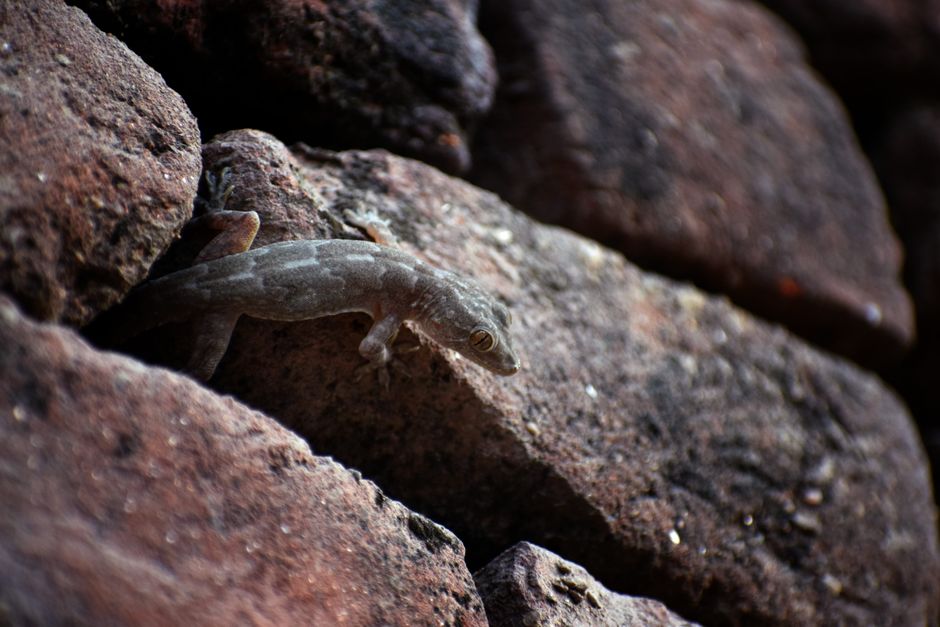
New Hemidactylus Gecko Species Found in India
Scientists have identified two new Hemidactylus gecko species in India's Deccan Peninsula, shedding light on hidden reptile diversity.
 🦎Reptiles
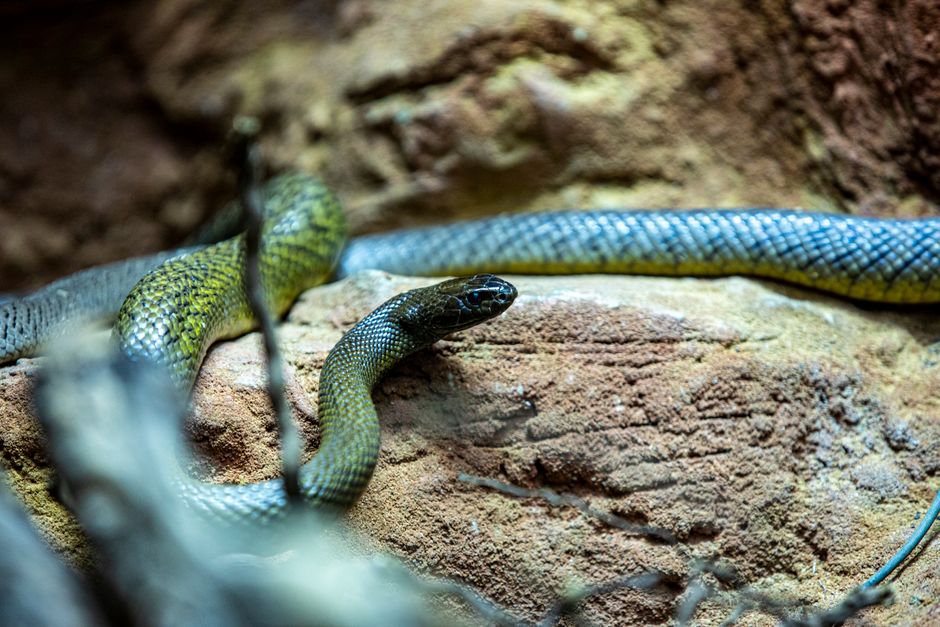
Are Colorful Snakes Venomous? What Science Says
Scientific studies show that bright, vivid snakes are far more likely to carry venom. Here is how warning colors work in the wild.
 🦎Reptiles
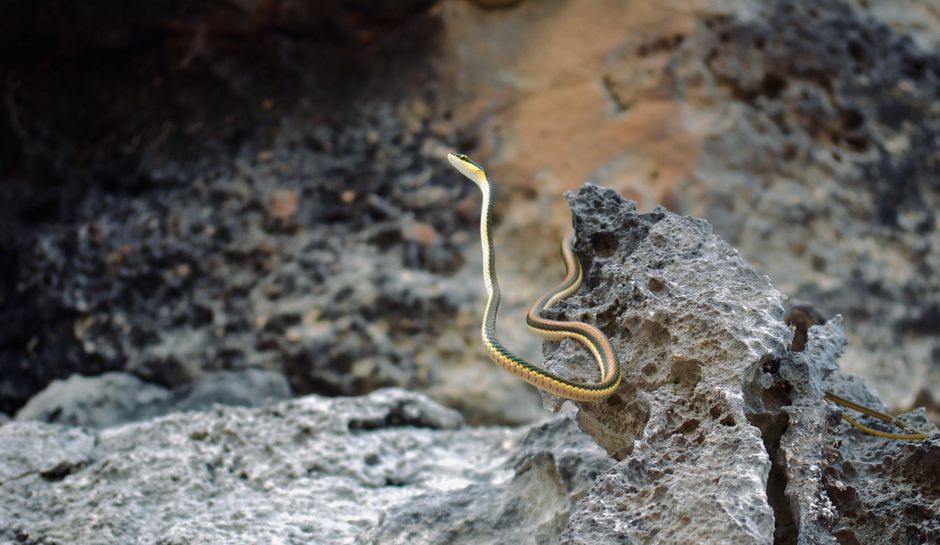
Dwarf Reedsnake Rolling: Why This Tiny Snake Cartwheels
Dwarf reedsnakes roll four times faster than they slither to escape danger, steering their heads while cartwheeling down forest slopes.