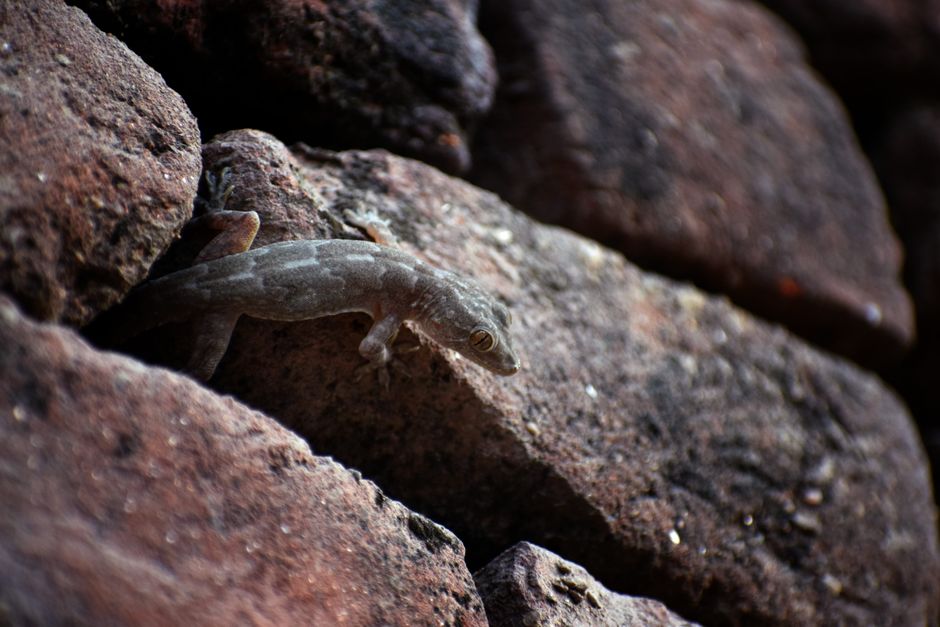
New Hemidactylus Gecko Species Found in India
Reptile lovers have exciting field news to celebrate this week. Researchers have officially described two new Hemidactylus gecko species from the rugged central regions of India. A new Hemidactylus gecko species discovery highlights how rich and diverse wild reptile populations remain, even within lizard groups that scientists thought they understood thoroughly. These newly identified lizards belong to the Hemidactylus brookii complex and form part of the Murrayi clade, marking another big step forward for Asian herpetology.
For reptile enthusiasts, understanding where these animals come from gives us greater respect for the geckos we care for at home. Let us look at what makes these newly classified geckos unique, where they survive in the wild, and why this discovery is making waves across the reptile community.
Where Were the Two New Geckos Found?
The two new species were discovered across the Central Plateau within the Deccan Peninsula of India. This vast geographical zone covers large sections of southern and central India, bordered by mountain ranges and shaped by ancient volcanic activity.
The Deccan Peninsula is famous for its rocky scrublands, dry deciduous forests, and weathered boulder hills. These environments might look dry and harsh to casual hikers, but they offer prime real estate for small lizards. Massive granite boulders create thousands of deep cracks, crevices, and caves. These natural shelters protect small reptiles from intense midday heat and shield them from hungry birds, snakes, and mammals.
Because the Central Plateau contains isolated rocky outcrops, lizard populations in this region often evolve along unique paths. Over thousands of generations, groups of geckos become separated by wide river valleys or open plains. This isolation allows subtle genetic and structural changes to accumulate, eventually creating entirely distinct species that exist nowhere else on the planet.
What Makes the Hemidactylus Brookii Group Unique?
The Hemidactylus brookii group is a widespread collection of house geckos and rock geckos known for their tuberculated skin, nocturnal habits, and exceptional climbing skills. They are members of the Gekkonidae family, which includes some of the most adaptable lizards on Earth.
To an untrained eye, many geckos within this group look almost identical. They typically show mottled brown, grey, or sandy coloration designed to match natural stone and tree bark. They also have rows of small, raised bumps across their backs called dorsal tubercles. Because their bodies share similar shapes and colors, scientists refer to them as cryptic species. They hide their evolutionary differences beneath nearly identical external appearances.
The Challenge of Cryptic Reptile Identification
Field biologists spent decades assuming that brookii-type geckos across southern Asia belonged to just one or two widespread varieties. That assumption began to break down once laboratory methods improved. Much like the scientific hurdles faced when naming a new snake species, classifying cryptic lizards requires patience, microscopic scale counts, and deep genetic testing.
By comparing tissue samples, researchers can see clear differences in DNA sequences between populations living on different hills. The Murrayi clade, to which these two newly discovered geckos belong, represents a specific branch of this group that adapted to Indian rock habitats. Without modern molecular tools, these two lizards would have remained hidden under the general label of common brook house geckos.
Why the New Hemidactylus Gecko Species Discovery Matters
The identification of a new Hemidactylus gecko species confirms that India remains a major global center for reptile diversity that is still not fully documented. It demonstrates that scientists do not need to visit remote tropical rain forests to uncover undocumented animals, since unique life can thrive in arid tablelands right next to human settlements.
Every time researchers document an unrecorded species, local conservation values shift. When an area is thought to hold only common, weed-like geckos, developers and planners may overlook its environmental worth. Once studies prove that unique, range-restricted species inhabit those specific rocky ridges, conservationists gain the legal and scientific evidence needed to preserve those habitats.
This discovery also carries an important message for responsible pet parents. As reptile keepers, we must remember that newly described wild species belong in nature where their ecosystems depend on them. Always research a species' full adult needs before buying any captive-bred reptile, and consult an exotic-animal veterinarian for health guidance rather than attempting to source wild-caught specimens from overseas habitats.
How Do Wild Hemidactylus Geckos Live?
Wild Hemidactylus geckos are nocturnal opportunists that spend daylight hours resting inside cool rock joints and emerge after dusk to hunt insects. Their life history revolves around staying hidden, saving moisture, and taking advantage of nocturnal food sources.
These lizards play a vital role in their native ecosystems by acting as natural pest controllers. A single gecko can consume dozens of mosquitoes, moths, beetles, crickets, and spiders in one evening. At the same time, they serve as an essential food supply for larger predators such as night-foraging colubrid snakes, civets, and small owls.
Members of this genus share several physical traits that help them survive in rocky environments:
- Expanded subdigital lamellae on their toe pads that allow them to run vertically up polished stone faces.
- Soft, granular dorsal skin interspaced with keeled tubercles that scatter harsh sunlight and break up their body outline against granite.
- Vertical pupils that contract into pinpoint slits during daylight to shield sensitive night-vision receptors.
- Tail autotomy, which lets the lizard drop its tail to distract a predator while the gecko scurries into a safety crevice.
These natural traits explain why relatives of these lizards have adapted so well to human homes throughout the tropics. When humans build stone, brick, and concrete structures, they unintentionally create artificial boulder piles complete with light fixtures that attract midnight buffets of flying insects.
What Reptile Keepers Can Learn from Field Discoveries
Field discoveries provide pet owners with valuable insights into proper terrarium design and daily husbandry. When we study the exact rock formations and climates where wild geckos thrive, we can build far better enclosures for the captive-bred geckos in our care.
For instance, knowing that rock-dwelling geckos squeeze into tight, horizontal cracks shows us why flat hiding caves work much better than tall, cavernous shelters. In the wild, tight crevices provide physical contact on both the belly and back of the lizard, which makes the animal feel secure and reduces chronic stress. Recreating these tight spaces using stacked slate tiles separated by safe spacers can dramatically improve a captive gecko's appetite and behavior.
Field research also highlights the importance of microclimates. Even in hot, dry areas like the Deccan Plateau, the interior of a deep rock crack stays humid and cool. In captivity, every gecko needs a dedicated humid hide box lined with damp moss to support healthy shedding and prevent dehydration, regardless of how dry the rest of the enclosure might be.
Final Thoughts
Learning about this new Hemidactylus gecko species discovery reminds us how much wonder remains in the reptile world. Every newly described species deepens our appreciation for wild reptiles and inspires better care for the animals living in our homes. Explore our other RarePetCare guides to discover more reptile care tips, habitat setup ideas, and fascinating wildlife news.
Frequently Asked Questions
What is the Murrayi clade of Hemidactylus geckos?
The Murrayi clade is an evolutionary branch of geckos within the Hemidactylus brookii complex that is native to the Indian subcontinent.
Can you keep these new Indian Hemidactylus geckos as pets?
No, these newly discovered geckos are wild species protected in their natural habitat and are not available in the commercial pet trade.
What do wild Hemidactylus geckos eat?
Wild Hemidactylus geckos eat a wide variety of small nocturnal insects and invertebrates, including moths, crickets, beetles, and termites.
Why are geckos in the Hemidactylus brookii group hard to identify?
They are cryptic species that share very similar body shapes, scale patterns, and mottled brown colors, requiring DNA testing to tell apart.
Explore More Reptiles Guides
 🦎Reptiles
Are Colorful Snakes Venomous? What Science Says
Scientific studies show that bright, vivid snakes are far more likely to carry venom. Here is how warning colors work in the wild.
 🦎Reptiles
Dwarf Reedsnake Rolling: Why This Tiny Snake Cartwheels
Dwarf reedsnakes roll four times faster than they slither to escape danger, steering their heads while cartwheeling down forest slopes.
 🦎Reptiles
Long-Necked Turtle Drought Survival: Mud Rescue
When water vanished from an Australian wetland, scientists dug long-necked turtles from hardened mud to save them from sudden disaster.