Male Water Bug Carrying Eggs: Surprising Insect Fathers
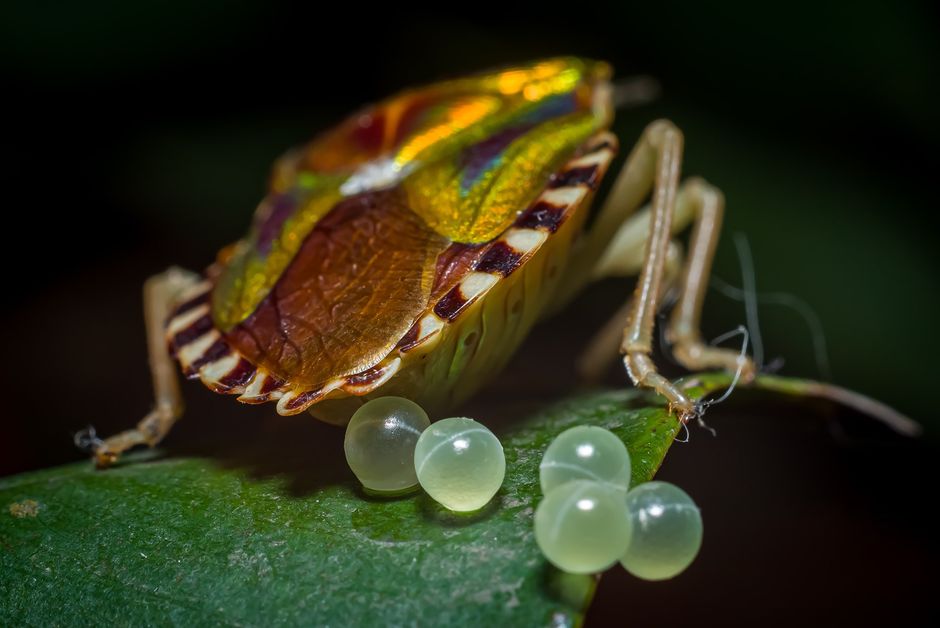
Few sights in the insect world look as strange as a giant predator covered in pearls. A male water bug carrying eggs represents a rare example of devoted fatherhood in aquatic insects, where the father bears dozens of developing eggs glued directly to his wings until they hatch. While giant water bugs hunt aggressively in calm freshwater shallows, these dedicated fathers dedicate weeks of energy to keep their future offspring clean, aerated, and safe from predators.
For invertebrate enthusiasts and keepers exploring unusual species, this behavior offers a fascinating look at reproduction in freshwater habitats. These fierce predators can tackle small fish, tadpoles, and even amphibians. Yet their parenting style is surprisingly attentive, demanding continuous care and physical sacrifice from the father.
Why Is the Male Water Bug Carrying Eggs on His Back?
A male water bug carrying eggs performs this duty because female water bugs glue their clutch directly onto his back, leaving him responsible for keeping the embryos alive. The father provides critical oxygenation, prevents fungus, and defends the brood against hungry fish and aquatic predators until hatching day.
In most insect species, females deposit eggs on underwater plants, hidden mud banks, or loose gravel before swimming away. Giant water bugs in the family Belostomatidae take a completely different path. The female lays rows of large, nutrient-rich eggs directly onto the male's wing covers, securing each one with a durable natural adhesive.
Once glued in place, the father cannot shed them or fly away. He carries the heavy load everywhere he moves. This investment ensures that a high percentage of the clutch survives to hatching, giving these aquatic hunters an edge in competitive freshwater habitats.
The Science of Invertebrate Fatherhood
Mating among giant water bugs involves careful negotiation. A female will rarely mate with a male unless he agrees to accept her eggs. In fact, if his back is already completely full, she will seek another partner who has room to spare.
Biologists view this behavior as a form of sexual selection. By proving he is willing and able to shoulder the clutch, the male demonstrates his genetic fitness. The female gains a dedicated guardian for her genetic line, while the male guarantees that the young he protects carry his own genes.
How Do Giant Water Bug Fathers Care for Their Brood?
Giant water bug fathers care for their brood by performing continuous surface visits for fresh air, gently pumping their bodies to circulate water, and grooming the clutch to stop bacterial growth. Without this hands-on attention, the densely packed eggs quickly suffocate or rot.
Carrying the clutch is not a passive task. Large eggs need vast amounts of oxygen to develop properly underwater. To meet this demand, the male climbs onto emergent reeds or rests just below the surface film.
He exposes his back to the open air for hours at a time, allowing atmospheric oxygen to reach the developing embryos. If the air gets too dry, he dips down to moisten them, striking a delicate balance between drowning the clutch and letting it dry out.
When submerged, the male performs rhythmic push-ups. These gentle body movements create steady water currents over the clutch. The constant flow brings oxygen-rich water across the shell surface and sweeps away debris. If you observe wetland ecosystems, similar intense parent-offspring dynamics appear throughout aquatic food webs, often highlighted in wider wildlife conservation success stories around protected marshlands.
What Makes Giant Water Bugs Such Lethal Hunters?
Giant water bugs are ambush predators that strike prey with powerful, raptorial front legs and inject a venomous, enzyme-rich saliva that dissolves internal tissues. This potent chemical cocktail allows them to overpower prey much larger than themselves, including small frogs, fish, and salamanders.
Commonly nicknamed toe-biters, electric-light bugs, or fish killers, these insects possess impressive tools for wetland survival. They float motionless near aquatic weeds, matching the color of rotting leaves and murky water. When a small animal swims past, the bug strikes in a fraction of a second.
Their hunting technique relies on three primary adaptations:
- Hooked raptorial forelegs designed to grip thrashing prey securely.
- A stout, pointed rostrum used to pierce thick skin and inject digestive fluids.
- Large, multifaceted eyes that track movement in dim, murky water.
Once the digestive enzymes liquefy the prey from the inside out, the water bug sucks up the nutrient soup. This efficient feeding strategy fuels both the male and female, providing the massive calorie reserves required for producing and carrying large clutches.
Can You Keep Giant Water Bugs as Pets?
You can keep giant water bugs in home aquariums, provided you build a secure, escape-proof habitat with ample perches, clean water, and live food. Keepers must exercise caution during tank maintenance because their defensive bite is remarkably painful to humans.
Anyone curious about keeping unique aquatic invertebrates should research a species' full adult needs before buying or collecting one from the wild. A proper setup requires a tank with calm, conditioned water and plenty of sturdy driftwood or artificial plants that reach the surface. Because water bugs breathe through specialized siphon tubes at the tip of their abdomen, they must reach the air easily without expending excessive energy.
Feeding captive water bugs requires live prey. They ignore commercial flakes, pellets, or dead insects. Hobbyists typically offer feeder guppies, crickets dropped on the surface, or small dubia roaches held with long feeding tongs. Never use bare hands to handle them. A defensive bite delivers digestive saliva directly into human skin, causing intense localized burning, swelling, and throbbing pain that can last for hours.
What Threats Do Water Bug Broods Face in the Wild?
Water bug broods face threats from predatory fish, diving water beetles, fungal infections, and water pollution in their native streams and ponds. Habitat degradation and chemical runoff can easily wipe out entire generations of developing nymphs before they emerge.
Even with an attentive father on guard, carrying dozens of eggs makes the male slow and clumsy. He cannot swim as fast as an unburdened bug, making him an easy target for larger wetland predators like wading birds and bass. In Florida and southern wetlands, predatory wading birds like those discussed in our great white heron hunting guide scan shallow water margins specifically for sizable aquatic insects and frogs.
If a father falls victim to a predator, his entire clutch perishes with him. Furthermore, water pollutants like pesticides, oil sheens, and synthetic fertilizers compromise the surface tension of ponds. This interferes with the father's ability to aerate the clutch, illustrating how sensitive aquatic invertebrates are to water quality changes.
Final Thoughts
Witnessing a male water bug carrying eggs changes how most people view the insect world, showing that intense parental care is not reserved for mammals and birds. These formidable wetland predators prove that even ferocious aquatic hunters can be devoted, hardworking parents. Take time to explore more RarePetCare guides to discover other extraordinary behaviors across the world of exotic pets and wild invertebrates.
Frequently Asked Questions
How long does a male water bug carry eggs before they hatch?
A male giant water bug typically carries the eggs on his back for one to two weeks, depending on ambient water temperature.
Do female giant water bugs care for their eggs at all?
No, female giant water bugs leave immediately after gluing their clutch to the male, leaving all brooding duties to the father.
Is the bite of a giant water bug dangerous to humans?
While extremely painful and capable of causing swelling, a giant water bug bite is not medically venomous or fatal to healthy humans.
What do baby water bugs eat after hatching from the father's back?
Newly hatched water bug nymphs immediately hunt small aquatic organisms like mosquito larvae, water fleas, and tiny tadpoles.
Explore More Invertebrates Guides
 🕷️Invertebrates
How Do Tarantulas Eat? The Surprising Process
Discover how tarantulas eat through external digestion, breaking down prey into liquid before consuming it.
 🕷️Invertebrates
Gooty Sapphire Ornamental Tarantula: Care and Facts
Discover the rare Gooty sapphire ornamental tarantula, including its vivid blue coloring, natural habitat, and essential care tips.
 🕷️Invertebrates
How Insect Declines Affect Wildlife and Habitats
A massive review of wildlife studies reveals that insect loss threatens animals far beyond just food chains, impacting shelter and defenses.