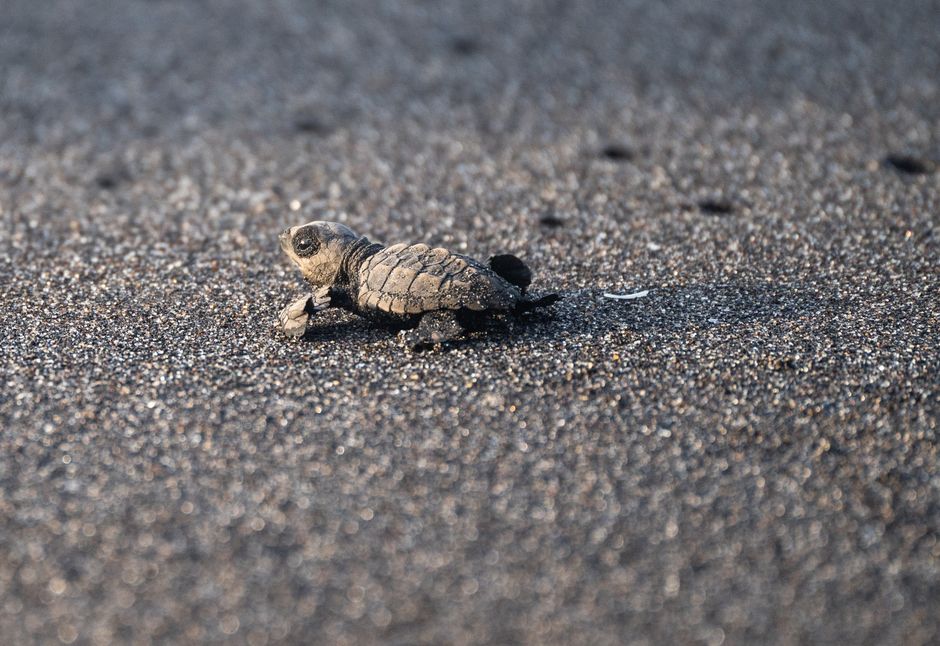
How Baby Sea Turtles Find the Ocean Explained
Watching dozens of tiny hatchlings break out of the sand and scramble toward crashing waves is one of nature's greatest spectacles. Understanding how baby sea turtles find the ocean comes down to visual contrast, gravity, and an internal magnetic compass. These built-in instincts guide newborn turtles toward the brightest open horizon, which in nature is the starlit water, within minutes of digging out of their nest.
For wildlife lovers and reptile enthusiasts alike, this journey represents a masterclass in survival. Every step a hatchling takes across the sand matters. If an animal goes off course for even a few minutes, predators or the morning sun can prove deadly.
What Visual Cues Guide Sea Turtle Hatchlings?
Baby sea turtles rely primarily on light contrast and open horizons to locate the sea. They naturally steer away from tall, dark silhouettes like dunes or coastal vegetation and crawl toward the widest, brightest expanse of low light, which is usually the open sky reflected off ocean waves.
When a clutch of eggs hatches beneath the sand, the babies work together to dig upward. Once they reach the surface, their large eyes scan the horizon in every direction. They do not look for the water itself. Instead, their eyes detect differences in brightness between the landward side and the seaward side of the beach.
Dunes, shrubs, and trees behind the nest create high, dark outlines against the night sky. In contrast, the ocean presents an open, flat vista that reflects starlight and moonlight. This difference in elevation and luminance creates a natural funnel that directs the turtles toward the surf.
The Role of the Low Horizon
Hatchlings keep their heads close to the sand to measure horizontal silhouettes. Research shows that turtles prefer the lowest, widest point of unbroken horizon available.
Even on pitch-black nights without a moon, the reflection of starlight over open water is brighter than the shadowed vegetation on land. This optical preference keeps the hatchlings moving forward in a straight line toward open water rather than turning sideways along the shoreline.
How Baby Sea Turtles Find the Ocean at Night
Baby sea turtles find the ocean at night by emerging after sand temperatures drop and following the brightest natural glow in their field of view. Moonlight and starlight bouncing off open water create an illuminated path that draws them directly down the beach.
Most sea turtle nests emerge after sunset. As the sun sets, the top layer of sand cools down, which signals to the buried turtles that it is safe to break out. Emerging in darkness protects the tiny reptiles from scorching daytime heat and day-active predators like gulls and hawks.
Once free of the nest cavity, their eyes adjust to night vision rapidly. Their retinas are especially sensitive to blue and green wavelengths of light, which are the exact wavelengths most visible over open marine water under moonlight. This visual tuning ensures that natural coastal light acts like a beacon for the young reptiles.
What Other Senses Help Hatchlings Reach the Water?
Beyond eyesight, hatchling turtles use physical slope sensing and an innate magnetic sense to orient themselves. Once they start moving downhill, magnetic receptors in their bodies begin recording data that will help them travel ocean currents for decades.
Sight gets the hatchlings pointed in the right direction, but physical touch confirms their path. Beaches naturally slope downward toward the water line. Sea turtle hatchlings possess a strong negative geotaxis, which means they prefer crawling down slopes rather than fighting uphill gradients.
If a hatchling crawls into a small footprint or depression in the sand, it quickly scrambles back out to resume its downhill descent. This mechanical response keeps them moving along the most direct path to the water.
Earth's Magnetic Field as a Built-In Compass
While scrambling down the beach, baby turtles activate an internal biological compass. Tiny magnetic particles within their tissues detect the inclination and intensity of Earth's magnetic field.
This magnetic imprint acts as a living map. Once the turtles hit the waves, visual cues vanish in the rolling surf. Their magnetic sense takes over completely, guiding them on journeys across entire ocean basins. If you want to know more about adult nesting patterns, you can read our guide on sea turtles nesting in California to see where these incredible journeys lead. Similar unusual nesting events are covered in our breakdown of sea turtle nesting west coast records.
What Threatens Turtle Hatchlings on the Beach?
Artificial lighting from beachfront homes, streetlamps, and hotels is the single biggest threat to baby turtles finding the water. This light pollution overrides their natural instincts, drawing them away from the sea toward roads, predators, and fatal exhaustion.
Because turtle hatchlings evolve to seek the brightest light source, an electric bulb looks brighter than the ocean. A porch light or streetlamp easily lures an entire clutch of eighty or more turtles away from the ocean. Instead of reaching the sea, the confused hatchlings wander into sand dunes, swimming pools, parking lots, and roadways.
Disorientation causes severe dehydration and leaves turtles vulnerable to ghost crabs, raccoons, and domestic pets. Even if they survive the night, the rising sun quickly overheats their tiny bodies on dry land.
Common beach hazards that disrupt their journey include:
- Bright porch lights and streetlamps that cause hatchlings to crawl inland
- Deep tire ruts and left-behind beach equipment that trap tiny turtles
- Unfilled sandcastles and holes dug by beachgoers that block the crawl to the sea
- Litter and plastic debris that entangle hatchlings before they reach the waves
Beachfront communities have implemented dark-sky ordinances to combat this problem. Turning off beach-facing lights during hatching season, using amber turtle-safe bulbs, and closing window shades make a life-or-death difference.
It is also critical to remember that all sea turtle species are wild, federally protected animals. They are not legal pets, and keeping or disturbing them carries severe penalties. If you are passionate about reptiles in your home, always research a species adult size, lifelong dietary needs, and legal status before taking one on. For wild turtles, the best care is simply leaving them undisturbed and keeping their beaches dark.
Final Thoughts
Learning how baby sea turtles find the ocean helps us protect fragile coastal habitats and keep their ancient journeys safe. By supporting dark beach initiatives and respecting wild nests, we give every new generation of hatchlings the best chance to reach deep water. Explore more RarePetCare guides to learn about responsible reptile care, unusual wildlife behaviors, and conservation tips.
Frequently Asked Questions
Can baby sea turtles smell the ocean from their nest?
No, hatchling sea turtles do not rely on their sense of smell to locate the sea from the beach. They depend on visual brightness, dune silhouettes, and the downward slope of the sand until they enter the surf.
What time of day do baby sea turtles usually hatch?
Most baby sea turtles hatch late at night when the sand cools down. Cooler temperatures signal that the sun has set, making it safer to emerge away from daytime heat and visual predators.
How long does it take hatchlings to crawl to the water?
A healthy hatchling typically takes between ten and thirty minutes to reach the surf after emerging from the nest. Any delay on the open sand increases the risk of dehydration and predator attacks.
Should you help a baby sea turtle reach the ocean?
No, humans should not pick up or carry hatchlings to the water unless instructed by certified wildlife officials. Crawling across the sand is essential for imprinting on the beach and setting their internal magnetic compass.
Explore More Reptiles Guides
 🦎Reptiles
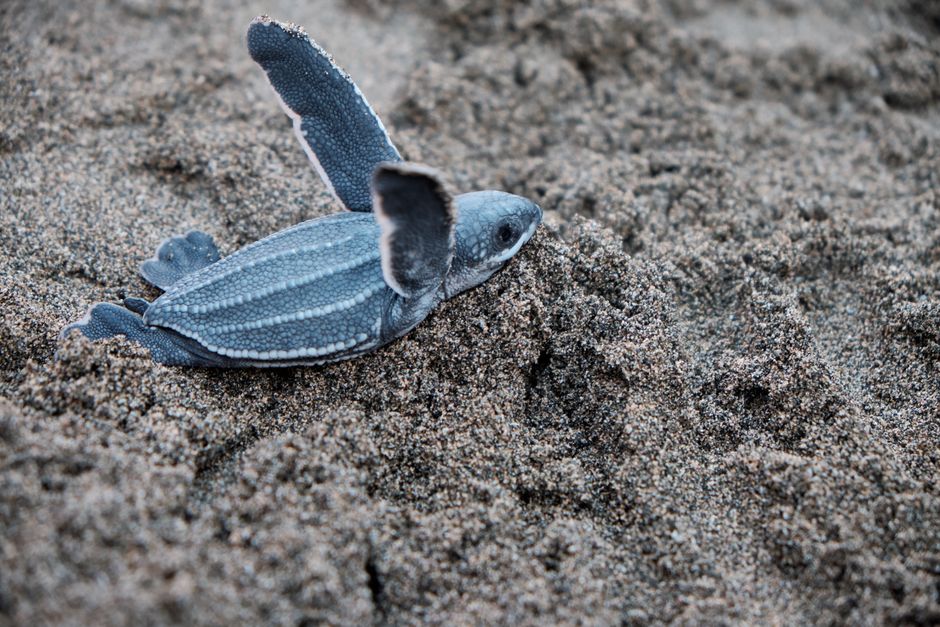
Baby Sea Turtles in a Pool: Why It Happens and Next Steps
Discover why baby sea turtles wander into backyard swimming pools, what chlorine does to them, and how to safely respond.
 🦎Reptiles
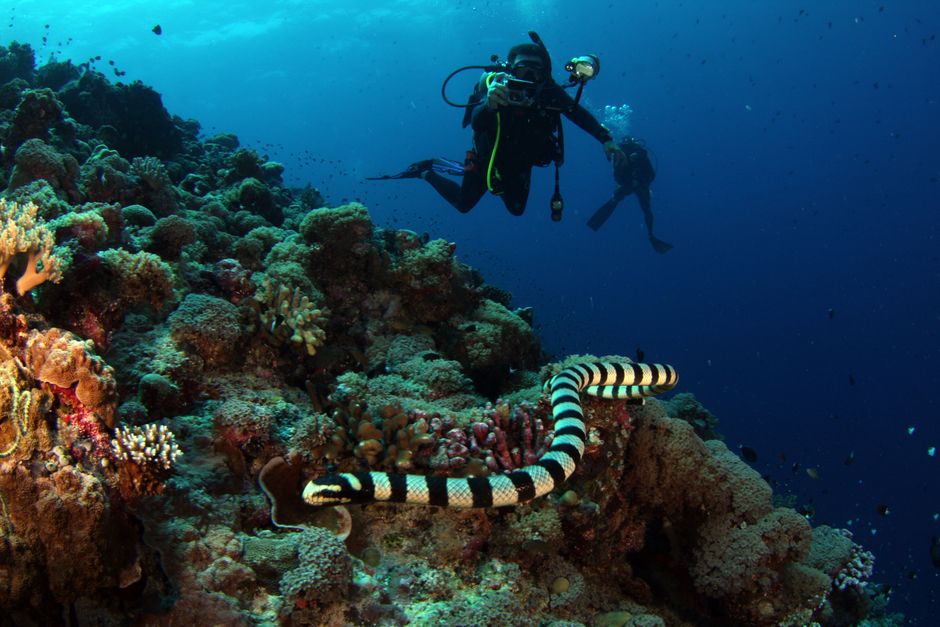
Sea Snakes in California: Why Strandings Happen
Only six venomous sea snakes have ever reached California beaches, almost all arriving during warm El Niño ocean cycles.
 🦎Reptiles
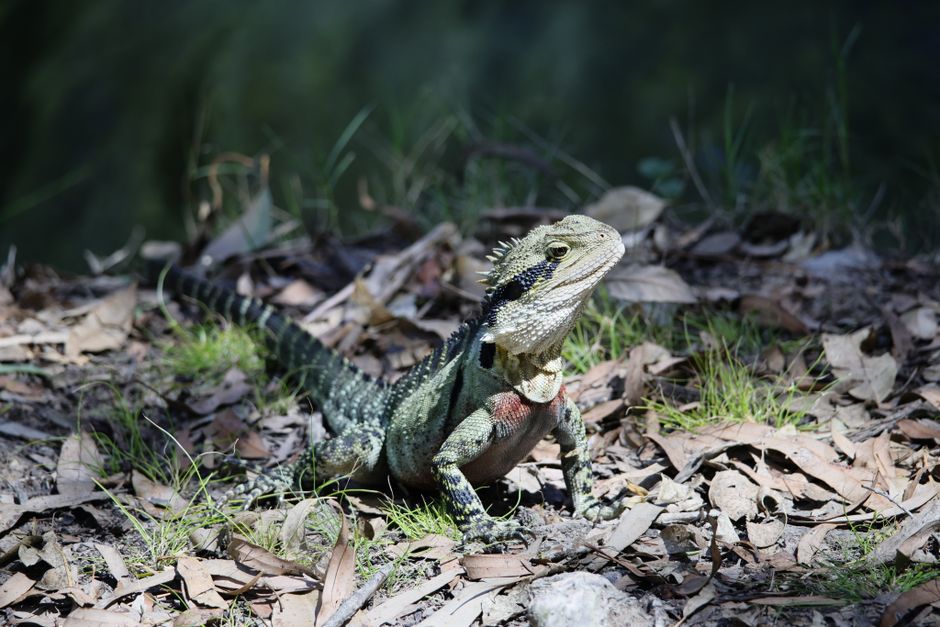
Australian Reptile Smuggling: Inside the Crackdown
Australia launched a dedicated agency to combat reptile smuggling and protect native wildlife from the global black market.