Sea Snakes in California: Why Strandings Happen
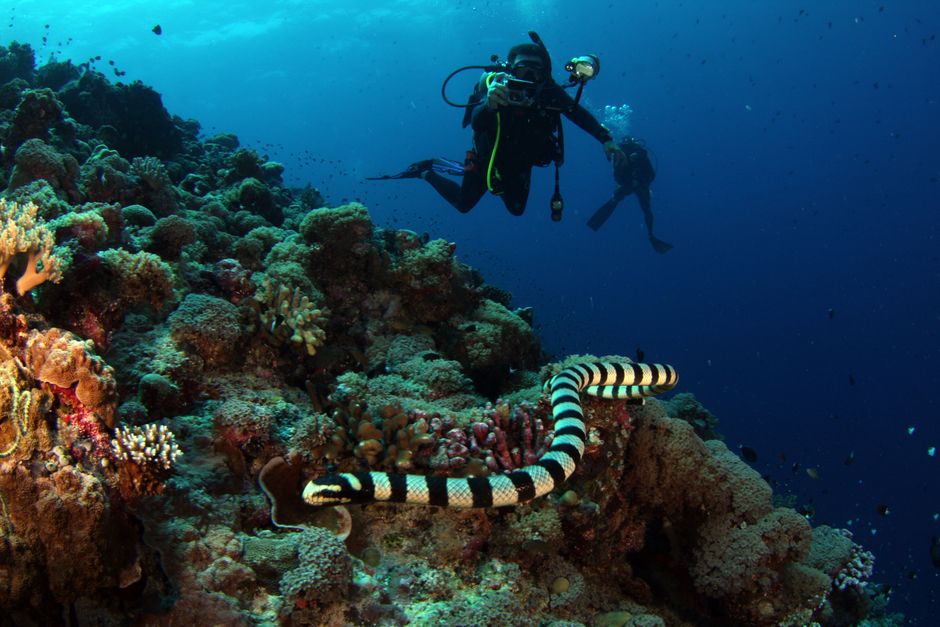
Reports of venomous marine reptiles washing ashore on West Coast beaches often leave coastal residents and reptile hobbyists in disbelief. Sightings of sea snakes in California are exceptionally rare events that occur only when unusual ocean conditions pull tropical species far beyond their standard territory. The yellow-bellied sea snake is a pelagic reptile that requires warm tropical water, so it rarely ventures past Mexico unless strong climate cycles push warm currents northward.
Records show that only six venomous sea snakes have ever been confirmed in California coastal waters or beaches. Five of those six arrivals happened during strong El Niño ocean conditions. When these warm water surges fade, cold Pacific currents return, making long-term survival impossible for these visiting reptiles.
Which Sea Snakes Appear on California Beaches?
The only species documented on California shores is the yellow-bellied sea snake. This distinct marine reptile lives its entire life in open ocean water without ever needing to come onto dry land to rest or lay eggs. Unlike terrestrial reptiles that pet owners keep in specialized terrariums, this oceanic snake is completely unsuited for life out of the water.
Yellow-bellied sea snakes are easy to distinguish from native coastal wildlife. They have a solid black or dark brown upper body that contrasts sharply with a bright yellow belly. Their tail is flattened into an oar-like paddle with black and yellow spots, which allows them to propel themselves smoothly through surface currents. Because their bellies lack the wide crawling scales found on land snakes, they are helpless when stranded on the sand.
Physical Traits of the Yellow-Bellied Sea Snake
This species is uniquely adapted to open ocean life. Their nostrils sit on top of the snout and feature specialized valves that seal tight when the snake dives beneath the waves. They also have specialized salt glands under their tongues that pump excess salt out of their bodies, allowing them to survive in full marine environments without dehydration.
In their native tropical waters, they float at the surface along weed lines and ocean debris. They use this natural camouflage to ambush small fish that seek shelter beneath floating objects. When healthy, they almost never approach the shoreline, spending years drifting thousands of miles across tropical zones.
Why Are Sea Snakes in California So Rare?
Sea snakes in California are rare because the coastal waters off Southern California are normally far too cold for tropical reptiles to function. As ectothermic animals, marine snakes rely entirely on ambient water temperatures to maintain their metabolic rates, digest meals, and power their muscles. When water temperatures drop below their comfort threshold, their bodily systems quickly shut down.
The California Current brings cold water south from the northern Pacific, forming an invisible temperature wall along the coast. Most yellow-bellied sea snakes live in tropical regions where water temperatures stay consistently warm throughout the year. For the majority of any given decade, the cold coastal waters off San Diego, Orange County, and Los Angeles act as a natural barrier that prevents tropical snakes from traveling north.
When a snake does enter water that is too cold, it becomes hypothermic and lethargic. It loses the ability to swim effectively against ocean swells. Waves and winds then push the immobilized snake toward the surf, resulting in the rare beach strandings reported by beachgoers.
How El Niño Brings Tropical Snakes North
El Niño events temporarily weaken normal cold ocean currents and push massive bands of warm equatorial water up the Pacific coastline. This shift creates a temporary warm water bridge that allows pelagic animals from Central America and Mexico to travel hundreds of miles farther north than normal. During these warm water events, scientists regularly document unusual tropical visitors off the West Coast.
Five out of the six recorded strandings in California took place during peak El Niño patterns. As warm surface currents move north, drifting sea snakes follow the warm water and the schools of baitfish traveling with it. Similar climate conditions often explain other unusual marine events, such as rare reports of sea turtles nesting in California when ocean temperatures spike above normal seasonal averages.
The problem for the snakes arrives when coastal conditions inevitably shift. A sudden cold upwelling or winter storm can drop water temperatures in a matter of hours. The tropical snakes are trapped in water they cannot tolerate, leaving them weak, disoriented, and at the mercy of incoming tides.
What to Do If You Spot a Sea Snake on the Beach
If you encounter a stranded sea snake on a California beach, stay at least twenty feet away and contact local animal control, lifeguards, or marine wildlife rescue groups immediately. Yellow-bellied sea snakes possess potent venom that they use to paralyze prey, and a defensive bite can cause severe medical complications in humans and domestic pets.
Never attempt to handle the snake with bare hands, pick it up with a stick, or push it back into the ocean. A stranded sea snake is almost always sick, severely chilled, or dying, and pushing it back into cold water will only prolong its suffering. Lifeguards and trained wildlife rehabilitators have the proper protective gear and containers needed to secure the animal safely without risking human injury.
- Step back immediately and keep children at a safe distance from the snake.
- Leash all dogs and ensure other pets cannot get close to investigate the animal.
- Note your exact location on the beach, using nearby landmarks or GPS coordinates.
- Take photos or video from a safe distance to help marine biologists confirm the species.
- Notify the nearest lifeguard tower, state park ranger, or local animal control office.
For reptile enthusiasts, encountering such a creature in the wild can be exciting, but wild marine reptiles should never be taken home or treated as prospective pets. Wild reptiles have complex physiological needs that cannot be replicated in a home aquarium. Anyone looking to care for specialized reptiles should research captive-bred species thoroughly and consult an exotic vet for proper housing needs before acquiring any animal.
Final Thoughts
Sightings of sea snakes in California will always remain historic and unusual events tied directly to large climate cycles like El Niño. These stranded ocean wanderers serve as a clear reminder of how closely marine life is linked to shifting ocean temperatures. Explore more RarePetCare guides to learn about unique reptiles, marine oddities, and responsible exotic animal care.
Frequently Asked Questions
Are yellow-bellied sea snakes deadly to humans?
Yes, their venom contains potent neurotoxins that can cause severe muscle damage and respiratory failure, though bites to humans are extremely rare.
Can a sea snake survive if pushed back into the California ocean?
No, stranded sea snakes are typically hypothermic and unable to swim, so returning them to cold California water will cause them to wash ashore again or drown.
Do sea snakes lay eggs on California beaches?
No, yellow-bellied sea snakes give birth to live young directly in open ocean water and never come ashore to reproduce.
How often does El Niño bring sea snakes to California?
Strandings are still exceptionally rare, with only five specimens documented across several decades of recorded El Niño events.
Explore More Reptiles Guides
 🦎Reptiles
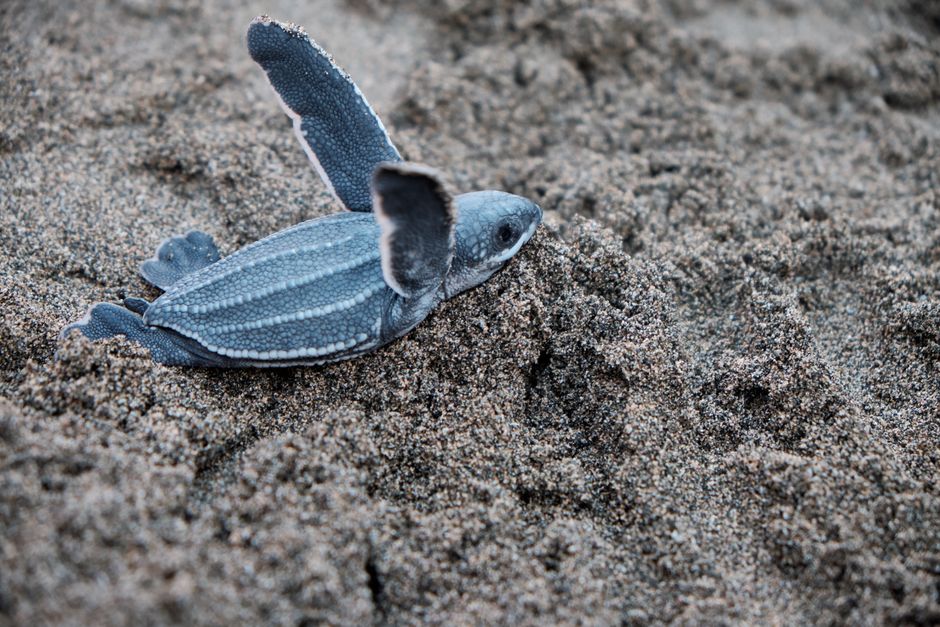
Baby Sea Turtles in a Pool: Why It Happens and Next Steps
Discover why baby sea turtles wander into backyard swimming pools, what chlorine does to them, and how to safely respond.
 🦎Reptiles
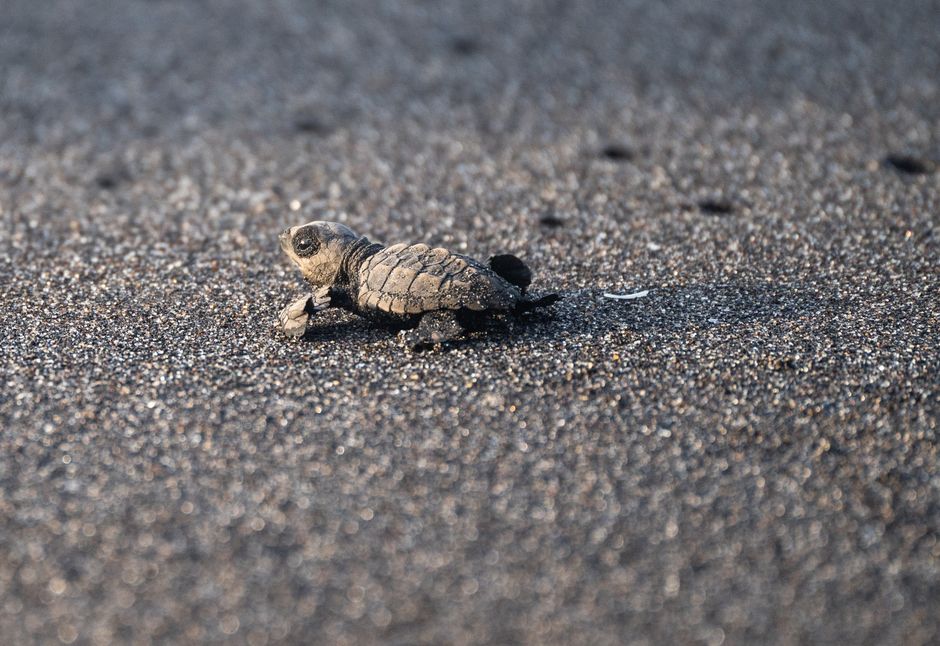
How Baby Sea Turtles Find the Ocean Explained
Discover how baby sea turtles find the ocean using natural light and slope, plus what happens when artificial lights lead them off course.
 🦎Reptiles
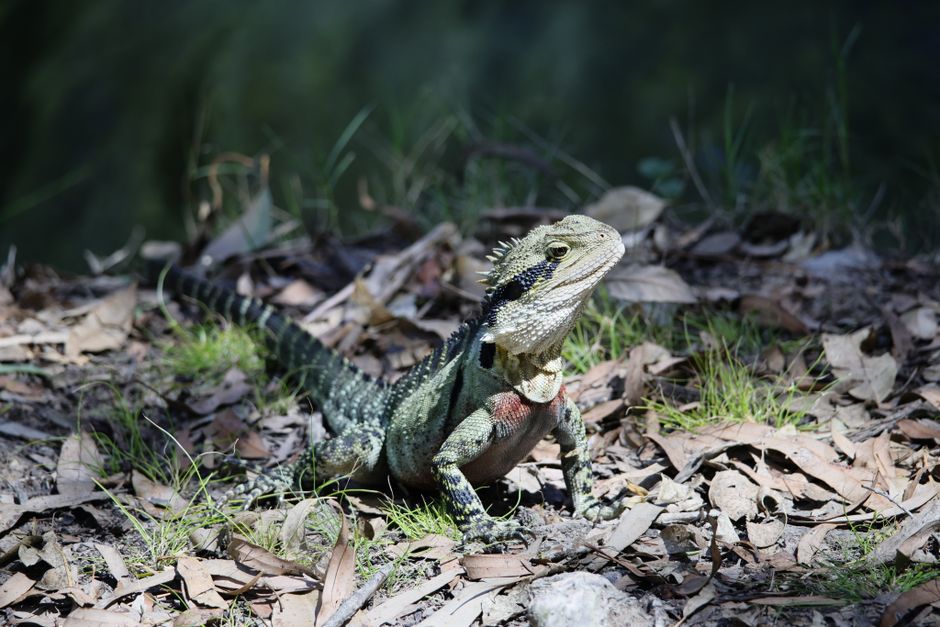
Australian Reptile Smuggling: Inside the Crackdown
Australia launched a dedicated agency to combat reptile smuggling and protect native wildlife from the global black market.