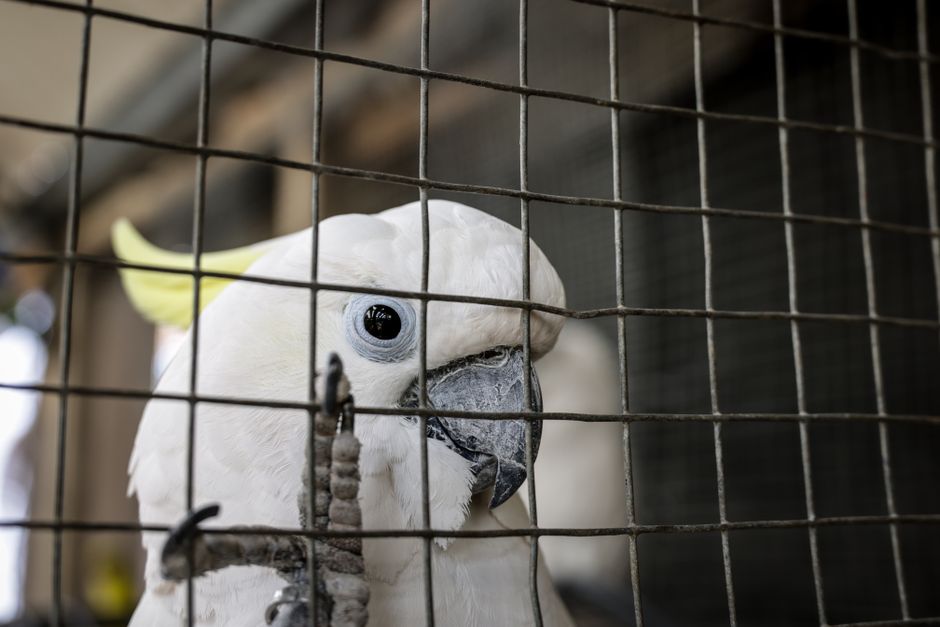
Exotic Animal Rescue: How Groups Save Wildlife
Every year, thousands of unusual animals face severe crises, ranging from airport smuggling crates to hazardous ocean debris. Exotic animal rescue describes the coordinated effort by specialized organizations to seize, treat, rehabilitate, and protect wild and non-domestic animals from harm. These dedicated teams bridge the gap when wildlife protection policies lag behind the practical dangers animals face every single day.
Animal welfare groups operate across borders to intervene in urgent situations. When government agents or coastal patrols intercept animals in trouble, experienced rescuers step in with the medical equipment, quarantine housing, and species-specific knowledge required to keep fragile creatures alive.
How Does Exotic Animal Rescue Work in Practice?
Exotic animal rescue works by identifying at-risk animals, removing them from immediate danger, and providing emergency medical treatment tailored to non-domestic species. Field teams collaborate with border officials, marine patrols, and local authorities to take custody of confiscated or injured wildlife before moving them to secure rehabilitation facilities.
Once an animal arrives at a facility, veterinary staff immediately conduct thorough health screenings. Wild animals and neglected exotics often suffer from dehydration, severe shell damage, parasite burdens, or respiratory infections. Stabilizing these patients requires specialized warm incubators, fluid therapy, and calm environments that prevent fatal stress responses.
Intercepting Smuggled Reptiles at Ports of Entry
Airports and maritime shipping ports serve as major battlegrounds for rescue personnel. Smugglers frequently conceal fragile reptiles inside luggage, taping turtles into their shells or packing geckos into plastic containers without food or air. Law enforcement relies on trained rescue partners to extract these animals safely, document evidence for legal prosecutions, and provide rapid rehydration baths.
Rehabilitation staff must identify the exact species quickly to supply appropriate housing conditions. While caregivers review natural behaviors, such as why sea turtles sleep upside down in aquatic habitats, their immediate focus remains on temperature regulation and baseline health recovery.
Why Are Rescue Groups Crucial for Combating Wildlife Trafficking?
Rescue groups are crucial for combating wildlife trafficking because they provide the temporary housing, quarantine space, and specialized veterinary care that law enforcement agencies lack. Without these non-profit partners, customs agents would have no safe place to send seized animals, making trade enforcement nearly impossible.
Poaching and illegal trading operations move thousands of live animals through hidden supply chains each month. Smuggled animals endure cramped crates, foul air, and starvation during transport. Rescue teams intervene at transit hubs to untangle animals from binding materials, treat skin lesions, and nurse them back to strength.
These organizations also collect critical biological data that helps international regulators track trade routes. By identifying source populations through genetic testing, conservation groups help governments close legal loopholes and tighten border protections. As responsible pet parents, it is vital to research a species' full adult needs and legal status before acquiring any animal, always choosing captive-bred sources over wild-caught specimens to ensure you never support illicit collection.
What Challenges Do Teams Face While Rehabilitating Wildlife?
Teams face severe logistical challenges while rehabilitating wildlife, including high quarantine costs, complex dietary requirements, and the difficulty of finding secure release sites. Many confiscated animals carry unknown pathogens or injuries that make an immediate return to their natural environment dangerous or impossible.
Housing different species requires custom physical parameters that match their native habitats. Rescuers must construct enclosures with accurate thermal gradients, appropriate humidity, and proper ultraviolet lighting. The work demands continuous monitoring to prevent cross-contamination between sick rescues and resident populations.
Here are several primary hurdles rehabilitators confront during every major intake:
- Preventing foreign pathogens from spreading into local wildlife populations through strict quarantine protocols
- Preparing natural, balanced diets that match the wild nutritional requirements of obscure species
- Managing long-term physical injuries, such as cracked carapaces or damaged fins, that require months of healing
- Securing safe, protected habitat reserves where recovered animals can live without facing immediate recapture
When animals cannot safely return to the wild, teams must find placement in accredited sanctuaries. Some rescued snakes and lizards require lifetime human care due to permanent handicaps. Understanding wild behaviors, including whether are colorful snakes venomous or harmless mimics, helps caretakers design safe enrichment programs that keep captive reptiles active and content.
How Do Marine and Land Conservation Rescue Operations Differ?
Marine rescue operations rely on specialized watercraft and disentanglement gear to help massive aquatic animals, whereas land rescues focus on rapid containment, physical isolation, and ground transit. Marine teams regularly confront heavy commercial fishing nets and boat collision wounds, while land teams deal with small containers, poachers, and direct physical confiscations.
Ocean interventions carry unique risks for both animals and human rescuers. Entangled whales, dolphins, and sea turtles cannot surface easily to breathe, creating an urgent ticking clock for field teams. Disentanglement experts must use specialized cutting poles and inflatable rafts to free trapped marine life without causing additional trauma or distress.
Land-based rescues, by contrast, demand secure transport vehicles equipped with climate controls. Seized tropical birds, desert tortoises, and small mammals experience fatal temperature swings if transport vehicles lack proper thermal buffers. Both disciplines demand rapid decision-making, but their tools, vehicles, and staging grounds look completely distinct.
How Can Exotic Pet Parents Support Animal Rescue Groups?
Exotic pet parents can support animal rescue groups by adopting surrendered pets from local shelters, donating supplies to reputable wildlife foundations, and sharing accurate care advice within their communities. Educating other keepers about the ethical sourcing of pets stops demand for poached animals before the cycle begins.
Many local exotic rescues struggle with overcrowded enclosures because owners buy pets without understanding their growth rates or lifespans. Choosing adoption gives a displaced reptile or bird a second chance at a good life while freeing up sanctuary resources for emergency wildlife intakes. Financial donations also fund essential veterinary medicines, diagnostic blood tests, and travel crates used during emergency seizures.
Final Thoughts
Supporting dedicated exotic animal rescue teams protects vulnerable wildlife from the devastating impacts of illegal trafficking and human neglect. When conscientious owners choose ethical, captive-bred companions and advocate for strong habitat protections, both domestic and wild animals benefit. Explore our other RarePetCare guides to discover how to keep your home habitats thriving, safe, and responsible.
Frequently Asked Questions
What happens to exotic animals seized at border crossings?
Seized exotic animals are transferred to accredited rescue facilities and zoos for emergency medical care and quarantine while legal proceedings take place.
Can all rescued exotic animals be released back into the wild?
No, many rescued animals cannot return to the wild due to permanent injuries, habituation to humans, or the risk of introducing foreign diseases into native ecosystems.
How can I verify if an exotic animal rescue organization is legitimate?
Look for formal non-profit status, accreditation from established sanctuary associations, transparent financial reporting, and clear non-breeding policies for rescued animals.
Why is wild poaching still a threat to exotic pets?
Poaching persists because illegal collectors seek rare wild species that are expensive or difficult to produce through commercial captive-breeding programs.
Explore More Reptiles Guides
 🦎Reptiles
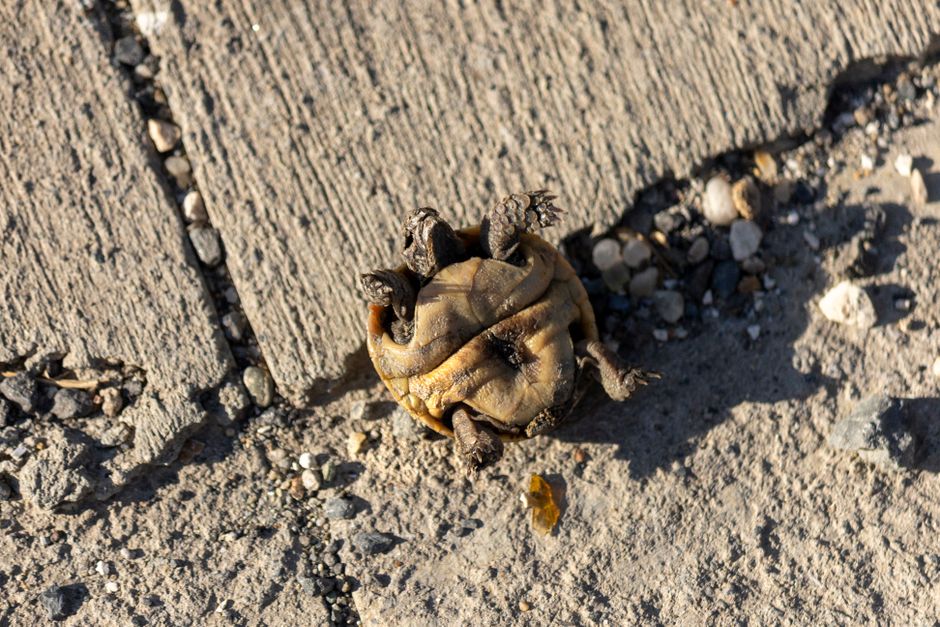
Why Do Sea Turtles Sleep Upside Down?
Learn why sea turtles wedge themselves head-first into giant sponges to rest and how their bodies survive underwater naps.
 🦎Reptiles
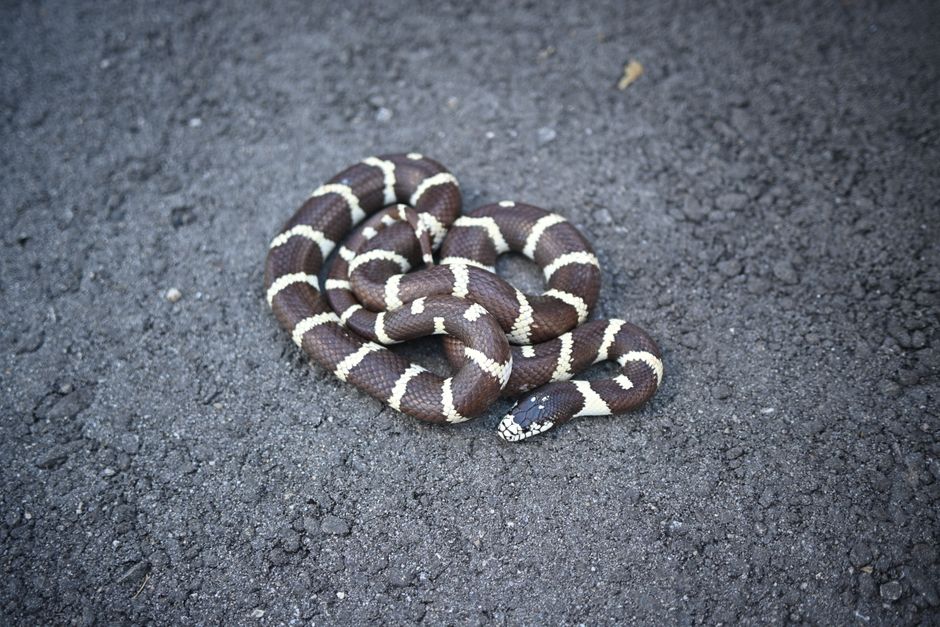
Sea Snakes in California: Why Tropical Species Appear
Tropical sea snakes and whale sharks are visiting California shores. Here is why warm waters bring them and how to stay safe.
 🦎Reptiles
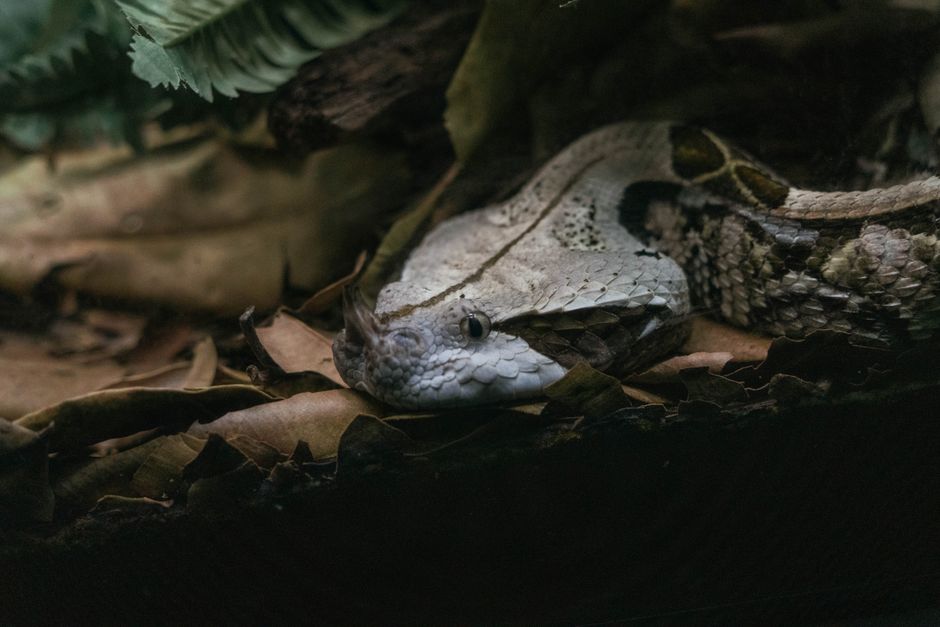
Gaboon Viper Sighting in California: What Happened
A viral Gaboon viper sighting in California sparked neighborhood panic, but police confirmed the entire encounter was an AI generated hoax.