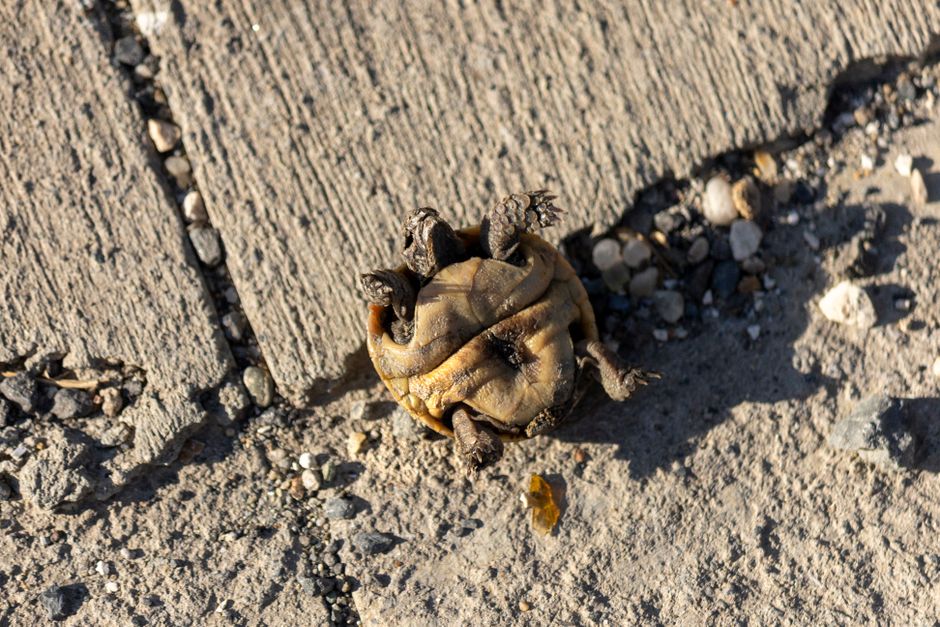
Why Do Sea Turtles Sleep Upside Down?
When a diver in the Philippines spotted a green sea turtle jammed head-first into a giant barrel sponge, observers feared the animal was trapped. In reality, the reptile was merely taking a nap. If you want to know why do sea turtles sleep upside down, the simple answer is that wedging themselves head-down inside tight reef cavities anchors their buoyant bodies, protects their soft heads from predators, and lets them rest peacefully without floating to the surface.
This striking sleeping posture caught the attention of wildlife lovers worldwide. At first glance, a sea turtle stuck vertically inside an invertebrate housing looks like an emergency. Once you examine wild reptile biology, you realize this resting habit is a clever survival trick used across tropical coral reefs.
Why Do Sea Turtles Sleep Upside Down in Reef Sponges?
Sea turtles sleep upside down or vertically inside barrel sponges to lock their bodies in place against strong ocean currents. A hollow sponge works like a natural sleeping bag that shields the turtle from being tossed around by moving water while keeping them hidden from large hunters.
A sleeping reptile needs stability. Without an anchor, water movement can easily push a resting turtle across jagged coral, scraping its shell and waking it up. By wedging head-down into a sponge cavity, the turtle secures its center of gravity. The thick, fibrous walls of giant barrel sponges are soft enough to cushion the shell yet firm enough to hold the animal firmly in place.
There is also an element of defense involved in this strange posture. The head and neck are the most vulnerable parts of any turtle. Slipping head-first into a deep opening means a passing tiger shark or large reef predator cannot easily reach soft tissue. The hard carapace faces outward, providing an armored shield against any curious visitors.
Do Sea Turtles Get Stuck in Barrel Sponges?
Sea turtles rarely get trapped in sponges because their flippers are flexible and strong enough to push out backward. They choose cavities that fit their shell size closely, but they can easily push against the spongy interior walls when they are ready to surface for fresh air.
Divers who come across a turtle wedged in this position should avoid interfering. Trying to pull a resting sea turtle out of a sponge will disturb its rest cycle, cause panic, and waste precious oxygen reserves. In almost every case, the animal is completely fine and fully aware of its exit route.
How Sea Turtles Breathe While Sleeping Underwater
Sea turtles breathe by holding their breath during underwater naps, slowing their metabolic rate so a single lungful of oxygen lasts for several hours. When resting quietly on the ocean floor, an adult sea turtle can remain submerged for two to four hours before needing to visit the surface.
Unlike fish, turtles have true lungs and must breathe air. When active and swimming, they must surface every few minutes to take fresh breaths. When they tuck in for a long rest, their physiological state changes dramatically. Their heart rate drops to just a few beats per minute, which conserves oxygen and keeps carbon dioxide levels low in the blood.
This incredible breath-holding capacity is a major adaptation for marine reptiles. We see similar survival traits in other aquatic chelonians, such as the resting habits seen during long-necked turtle drought survival in freshwater habitats. Resting deeply allows their oxygen stores to drain at a fraction of their normal waking speed.
Common Resting Spots for Sea Turtles in the Wild
Sea turtles sleep under rocky ledges, inside coral caves, under artificial reefs, and wedged directly between stony coral heads. They seek out sheltered spots that reduce water flow and break their visible outline on the reef.
A sleeping spot must meet specific criteria before a turtle settles down for the night. They rarely rest out in open sandy flats where predators can spot them easily. Instead, they prefer cozy, enclosed spaces that provide overhead cover.
- Deep crevices beneath coral overhangs that block overhead moonlight.
- Hollow caverns inside large marine sponges where the body fits snugly.
- Wreck sites, piers, and sunken structures that offer wide shadows and tight corners.
- Sheltered seafloor depressions protected from surge currents.
Marine reptiles are not the only ocean creatures that seek out shelter in changing reef environments. As seen with sea snakes in California, ocean currents and sea conditions regularly push marine reptiles to find safe zones to conserve their strength. For a turtle, finding a secure resting alcove is a daily routine that keeps it safe from harm.
What Pet Turtle Owners Can Learn From Wild Sleeping Habits
Pet turtle parents can learn that aquatic turtles naturally crave secure, enclosed hiding spots to feel safe enough to rest deeply. Even captive freshwater turtles experience stress when forced to sleep out in wide open water without cover.
If you keep pet aquatic or semi-aquatic turtles at home, observing their resting routines gives you valuable insight into their overall well-being. A pet turtle that is constantly swimming against the tank walls without resting often lacks proper hiding areas. Providing caves, smooth driftwood, and underwater plants gives them places to tuck their heads and rest securely.
As a responsible reptile owner, always research a species' full adult needs before bringing one home. Captive aquatic turtles require spacious tanks, clean water filtration, proper basking docks, and adequate shelter to thrive. If you ever notice sudden lethargy, refusal to eat, or floating lopsided in your pet turtle, consult an exotic-animal veterinarian for specific guidance promptly.
Final Thoughts
Seeing a wild turtle resting upside down in a sponge might look alarming at first, but it is simply a practical survival trick that keeps them safe and still beneath the waves. Understanding why do sea turtles sleep upside down helps us appreciate how perfectly tuned these ancient reptiles are to their marine habitats. Check out our other reptile guides on RarePetCare to discover more fascinating behaviors from the reptile world.
Frequently Asked Questions
Can a sea turtle drown while sleeping?
Yes, a sea turtle can drown if it is physically trapped and unable to surface for air, but in normal conditions its slow resting heart rate allows it to sleep safely for hours underwater.
How long can a sea turtle sleep underwater without surfacing?
A resting sea turtle can stay underwater for two to four hours on a single breath because its metabolic rate slows down dramatically during sleep.
Do sea turtles sleep in the same spot every night?
Many sea turtles show high site fidelity and return to the same underwater ledge, cave, or sponge every night to rest.
Why do sea turtles wedge themselves into rocks or sponges?
They wedge themselves into tight spaces to keep from floating to the surface, protect their heads from predators, and avoid being swept away by strong ocean currents.
Explore More Reptiles Guides
 🦎Reptiles
Sea Snakes in California: Why Tropical Species Appear
Tropical sea snakes and whale sharks are visiting California shores. Here is why warm waters bring them and how to stay safe.
 🦎Reptiles
Gaboon Viper Sighting in California: What Happened
A viral Gaboon viper sighting in California sparked neighborhood panic, but police confirmed the entire encounter was an AI generated hoax.
 🦎Reptiles
New Hemidactylus Gecko Species Found in India
Scientists have identified two new Hemidactylus gecko species in India's Deccan Peninsula, shedding light on hidden reptile diversity.