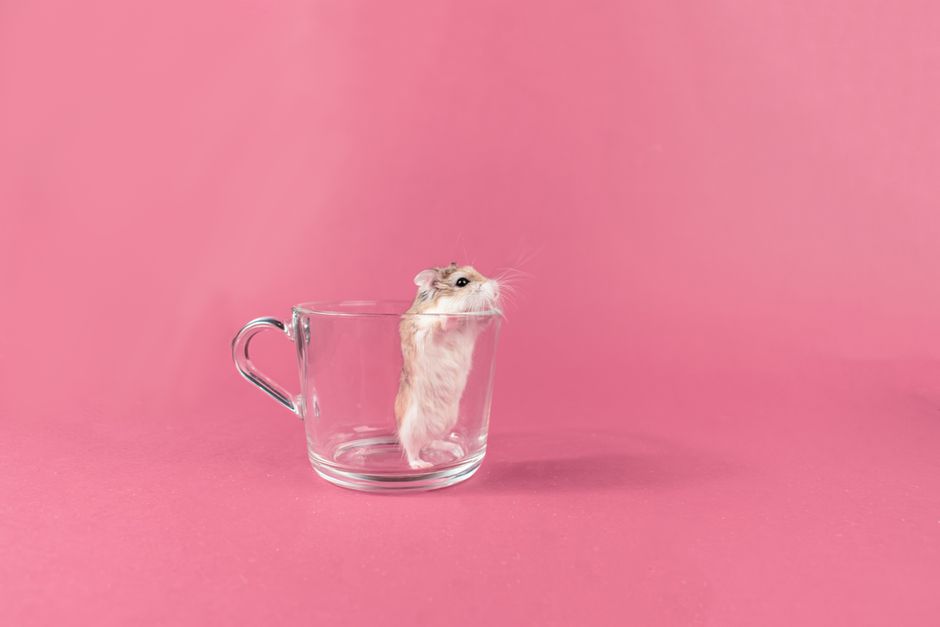
Can You Leave a Hamster Alone? Weekend Care Guide
Planning a weekend getaway often leaves pet parents wondering about their tiny furry companions. You can safely leave a hamster alone for up to 48 hours if you provide extra fresh water, ample dry food, clean bedding, and a secure habitat in a climate-controlled room. Beyond two full days, however, the risks of mechanical water failure, illness, and temperature swings make solo stays unsafe for your pet.
Hamsters are naturally solitary and independent creatures. They sleep through most of the day and do not crave human companionship like dogs or birds do. Still, their small bodies are fragile, and a sudden equipment failure can turn an ordinary weekend into an emergency. Before you pack your bags, here is everything you need to know about keeping your pocket pet safe, fed, and comfortable while you are away.
How Long Can You Leave a Hamster Alone?
You can safely leave a hamster alone for a maximum of 48 hours without human supervision. A healthy adult hamster with a full food dish and reliable water sources will easily manage two days on its own, but anything beyond two days requires a pet sitter or neighbor to drop by and check on them.
Hamsters are crepuscular creatures that thrive on routine and quiet. They will not feel lonely during a short absence, and your departure might simply feel like a quiet, uninterrupted weekend of running and burrowing. However, safe solo time has strict upper boundaries that every responsible owner must respect.
Leaving a Hamster Alone for 24 to 48 Hours
An overnight trip of 24 hours is rarely an issue for an adult hamster. If you leave on Saturday morning and return Sunday evening, your pet will likely carry on as usual. Their natural hoarding instinct means they usually have hidden seed caches buried under their bedding to snack on whenever they want.
Even over a full 48-hour stretch, healthy adult hamsters do quite well on their own. You will still need to prep their cage thoroughly before you step out the door. Make sure you check both food supplies and room temperatures right before you walk out.
Leaving a Hamster Alone for More Than Two Days
Leaving your pet for three days or longer without a visitor is not safe. If a water bottle jams or leaks out completely on day two, a tiny rodent can become dangerously dehydrated in less than 24 hours. Small mammals have fast metabolic rates and cannot survive extended periods without fresh moisture.
If you plan to be gone for three days, a week, or longer, arrange for someone to check the cage daily. A neighbor, friend, or professional pet sitter does not need to handle your hamster. They just need to verify that water is flowing, food is stocked, and the animal is active and breathing comfortably.
What Do You Need to Prepare Before Leaving?
Before you leave your pet unattended, you must inspect their enclosure, double up on essential resources, and stabilize their living environment. Never assume your regular daily setup is enough, because unexpected hardware failures happen when you are not there to fix them.
Taking thirty minutes to prepare the cage properly prevents the most common home emergencies. A quick review of our complete hamster care guide can also remind you of daily baseline needs that must stay consistent while you are away.
- Install a backup water bottle on the cage bars alongside the primary bottle, making sure the roller ball rolls freely on both.
- Add an extra ceramic dish filled with dry lab blocks or seed mix to keep supplies plentiful without spoiling.
- Spot clean dirty corners, wet bedding, and soiled litter patches so ammonia smells do not build up over the weekend.
- Provide fresh chew toys, cardboard tubes, and boredom breakers to keep your pet busy and calm during their waking hours.
- Check that the room thermostat stays steady and keep the enclosure away from drafty windows or heating vents.
Always avoid leaving wet foods like fresh cucumber, berries, or greens in the habitat when you go out of town. Fresh produce spoils fast, molds within a day or two, and can cause severe stomach upset if your hamster eats it later.
What Are the Biggest Risks of Leaving a Hamster Unattended?
The single greatest hazard of leaving your pet alone is water failure, followed closely by indoor temperature swings and cage escape. While hamsters can comfortably skip human attention, they depend entirely on mechanical devices and steady household conditions for their immediate survival.
Water bottles are notorious for sticking shut or dripping dry. If a ball bearing gets jammed by mineral buildup or negative pressure, your hamster gets no water. Conversely, if bedding touches the spout, capillary action can drain the entire bottle into the substrate in an hour, soaking the cage and leaving your pet parched.
Room temperature is another major risk factor. Extreme cold can force a Syrian hamster into a dangerous state of torpor that resembles hibernation, while excessive heat leads rapidly to fatal heatstroke. If your home air conditioning fails or a heater switches off during a winter storm, an unattended hamster has no way to escape the ambient temperature.
Welfare organizations recommend keeping small pet environments strictly regulated year-round, so always test your climate control systems before heading out. If you suspect an animal has gotten too cold or overheated, consult an exotic-animal veterinarian for specific guidance right away.
When Should You Hire a Pet Sitter?
You should always hire a pet sitter if your trip lasts longer than 48 hours, or if your hamster is elderly, very young, or nursing an ongoing illness. Fragile animals need human eyes on them every single day to catch warning signs before minor issues become life-threatening.
Young pups and senior hamsters have less physical endurance than prime adult rodents. An older hamster may struggle to reach a high water spout or drop weight quickly if their food habits change. If your pet receives daily oral medication or eye drops, an experienced exotic sitter is mandatory.
Write out clear instructions for your sitter before you hand over the keys. Show them how to check the water spout with a clean finger, where the spare food is stored, and which emergency vet clinic to call if your pet appears lethargic, cold, or unresponsive.
Final Thoughts
You can comfortably leave a hamster alone for a short weekend as long as you plan ahead and back up their food and water. Taking a few safety precautions gives you complete peace of mind while your little friend enjoys a quiet, restful weekend at home. Browse our other RarePetCare guides to learn more about keeping your exotic companions healthy, safe, and thriving every day of the year.
Frequently Asked Questions
Can a hamster survive 3 days alone?
A hamster should not be left alone for 3 days because water bottles can jam or run dry, putting your pet at serious risk of fatal dehydration.
Should I leave a light on for my hamster while away?
You should not leave a bright light on continuously, but instead place the cage in a room with natural indirect window light to preserve their normal day and night cycle.
Can I leave fresh fruits or vegetables in the cage when I travel?
No, you should never leave fresh produce in the cage while traveling because it rots quickly and can cause harmful bacterial growth or severe digestive issues.
Do hamsters get lonely when their owners leave?
Hamsters are solitary animals that do not experience social loneliness, so they remain perfectly content without human interaction for short periods.
Explore More Small Mammals Guides
 🐹Small Mammals
Hamster Care Guide: How to Raise a Happy Pet
Learn how to give your pet hamster the best life possible with our modern guide to cage setups, nutrition, and daily enrichment.
 🐹Small Mammals
Why Do Guinea Pigs Squeak? Sound Guide
Learn why guinea pigs squeak, what different vocal sounds mean, and how to tell excitement from pain or fear.
 🐹Small Mammals
Why Is My Hedgehog Losing Quills? Key Causes
Discover why your hedgehog is losing quills, how to identify quilling versus mites, and practical ways to protect your pet's sensitive skin.