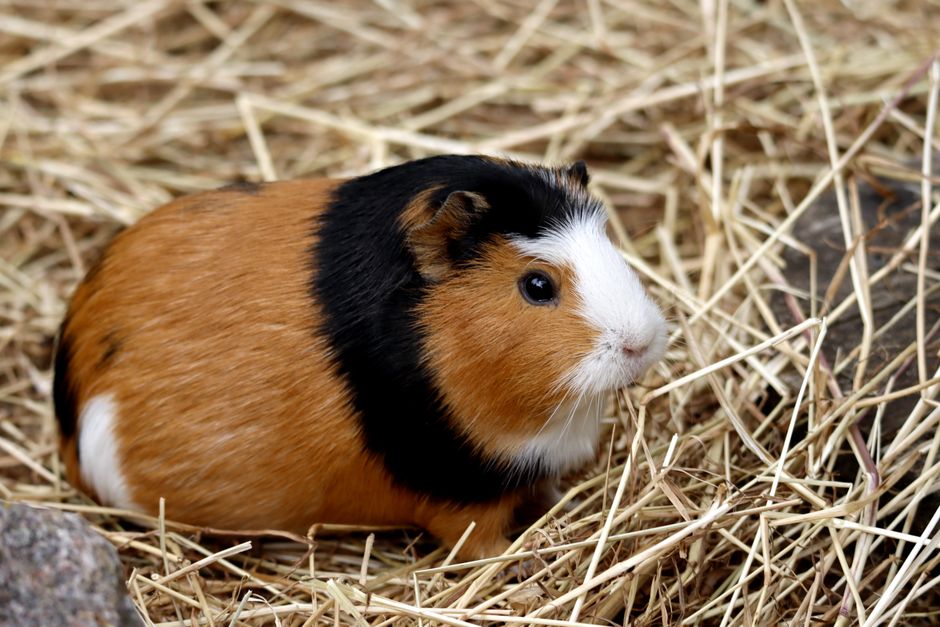
Why Do Guinea Pigs Squeak? Sound Guide
Guinea pigs are vocal pets that use sound to communicate with you and each other. If you find yourself asking why do guinea pigs squeak, the answer usually comes down to excitement, begging for food, showing affection, or signaling discomfort. Understanding these sounds helps you build trust and respond to your pet's daily needs right away.
A guinea pig squeak is rarely random. These small animals evolved to communicate social cues within their herds, and in your home, you become an honorary member of that group. When you know how to read their calls, caring for them gets much easier.
Why Do Guinea Pigs Squeak When You Open the Fridge?
Guinea pigs squeak when you open the fridge because they have learned to link that specific sound with fresh vegetable treats. This loud, high-pitched whistle is commonly known among owners as wheeking, and it serves as an excited call for food.
Wheeking is one of the most common sounds a healthy guinea pig makes. It usually starts the moment they hear a plastic bag rustle, a vegetable drawer slide open, or your footsteps approaching their room in the morning. They learn your routine quickly. In the wild, guinea pigs call out to find lost herd members, but domestic guinea pigs adapted this call almost entirely for their human caretakers.
If your pet wheeks at feeding time, take it as a compliment. It means they feel confident in their space and recognize you as a safe source of food and comfort. Just remember that while their squeaks are convincing, sticking to balanced portions of hay, pellets, and pet-safe greens keeps their digestion on track.
What Does a High-Pitched Squeak or Squeal Mean?
A sudden, very sharp squeal usually means a guinea pig feels sudden pain, genuine terror, or deep annoyance. Unlike a cheerful wheek, this sound is loud, piercing, and often paired with frantic running or freezing in place.
You might hear this sharp noise if another guinea pig nips them, if someone accidentally steps near them during floor time, or if they are picked up incorrectly. Handling can feel scary for a small prey animal until they feel secure. If you are working on gentle handling routines with anxious pets, similar patience to how you might learn how to bond with a bird applies here too, because moving slowly and letting the animal come to you prevents panic.
Pay attention to when this sharp squeal happens. If it happens while your pet is resting alone or when they try to urinate, it may point to a health problem like a urinary stone or arthritis. An exotic vet should check any guinea pig that squeals during basic daily movements.
When Squeaking Means Discomfort or Pain
Guinea pigs naturally hide pain to protect themselves from predators, so vocal signs of distress are important to catch early. A repetitive, low-volume whimper while moving or grooming can indicate underlying joint pain, skin mites, or dental issues.
Always check their body gently if the squeaking seems unusual. Look for hair loss, scabs, bloated bellies, or tenderness when touched. If you notice weight loss alongside unusual vocalizing, schedule a checkup with a licensed exotic-animal veterinarian as soon as possible.
How Do You Tell Happy Squeaks from Stressed Squeaks?
You can tell happy squeaks from stressed squeaks by observing your guinea pig's posture, movement, and eye tension. Happy squeaks occur when the body is relaxed and curious, while stressed squeaks accompany stiff muscles, wide eyes, and sudden retreat.
Body language provides the full context behind any guinea pig sound. When a guinea pig is happy, their squeaks often blend into soft, rhythmic bubbling or clucking noises as they explore their cage or sniff a new treat. You may even see them popcorn, which is a playful hop where they kick their heels in the air.
Stressed sounds, on the other hand, match defensive postures. If your pet squeaks while tucking their chin, flattening against the fleece bedding, or backing into a hide box, they want space. To help you spot the difference quickly, watch for these physical signs:
- Relaxed ears and a soft body while making rising, whistle-like wheeks
- Rapid head tosses or teeth chattering when feeling crowded or irritated
- Freezing motionless with wide eyes during a sudden high squeak
- Gentle purring and slow steps when exploring safe floor areas
What Other Sounds Do Guinea Pigs Make Besides Squeaking?
Besides squeaking, guinea pigs communicate using purrs, teeth chattering, rumblestrutting, chirping, and soft grunts. Each vocalization reveals a distinct emotional state ranging from pure content to territorial warning.
Purring can mean two entirely different things depending on the pitch. A deep, relaxed purr means contentment, often heard when you stroke their head or chin gently. A short, sharp, high-pitched purr, sometimes called a durr, is a sign of mild annoyance or a reaction to a startling noise like a dropped pen or a phone ring.
Teeth chattering is a clear warning sound that sounds like rapid clicking. Guinea pigs chatter their teeth when they feel annoyed, defensive, or ready to fight over territory. If you hear cage mates chattering loudly at each other, step in carefully with a towel to prevent a scuffle. Chirping is the rarest sound of all, resembling a songbird. Pet parents still debate why it happens, though it often occurs at night when the cage is calm.
Why Do Guinea Pigs Make Rumbling Sounds?
Rumbling, often called rumblestrutting, is a low vibrating sound paired with a slow, swaying hip walk. Dominant guinea pigs use this display to assert authority over cage mates or during courtship.
Both males and females rumblestrut to establish who runs the herd. In most cases, it is completely normal social behavior and requires no human intervention unless actual fighting breaks out. Giving them ample cage space, separate food bowls, and multiple hiding spots helps keep herd tensions low and social rumbles peaceful.
How Should You Respond When Your Guinea Pig Squeaks?
You should respond to your guinea pig's squeaks by checking their immediate environment, confirming their food and water levels, and respecting their personal space. Responding calmly reinforces safety and helps you learn their individual voice over time.
Start by checking the basics in their enclosure. Is their water bottle flowing freely? Do they have fresh timothy hay piled high? Guinea pigs often squeak loudly when their water nozzle jams or their hay rack runs dry. Hay makes up the vast majority of their diet, so running out causes them genuine worry.
If their basic needs are met and they are wheeking happily, offer a small piece of bell pepper, a leafy green, or a gentle speaking voice to show you hear them. Avoid rushing over quickly or making sudden loud movements, which can turn an eager squeak into a fearful retreat. Over several weeks of living together, you will know each squeak by heart.
Final Thoughts
Understanding why do guinea pigs squeak gives you a direct window into your pet's feelings and health every day. By matching their vocal cues with calm handling and good care, you build a lasting bond with your small mammal. Check out more RarePetCare guides to learn expert care tips for all your favorite exotic companions.
Frequently Asked Questions
Why does my guinea pig squeak when I pet it?
Guinea pigs squeak softly when petted if they enjoy the attention, but a sharp squeak means you touched a sensitive spot or they want you to stop.
Is it normal for a guinea pig to never squeak?
Yes, some guinea pigs are naturally quieter than others and express themselves through body language rather than loud vocal sounds.
Why is my guinea pig squeaking constantly at night?
Constant squeaking at night usually means your guinea pig ran out of hay, has an empty or blocked water bottle, or feels lonely.
Can guinea pigs squeak when they are lonely?
Yes, guinea pigs are herd animals and will call out with loud squeaks if they feel isolated and crave social contact with companions or owners.
Explore More Small Mammals Guides
 🐹Small Mammals
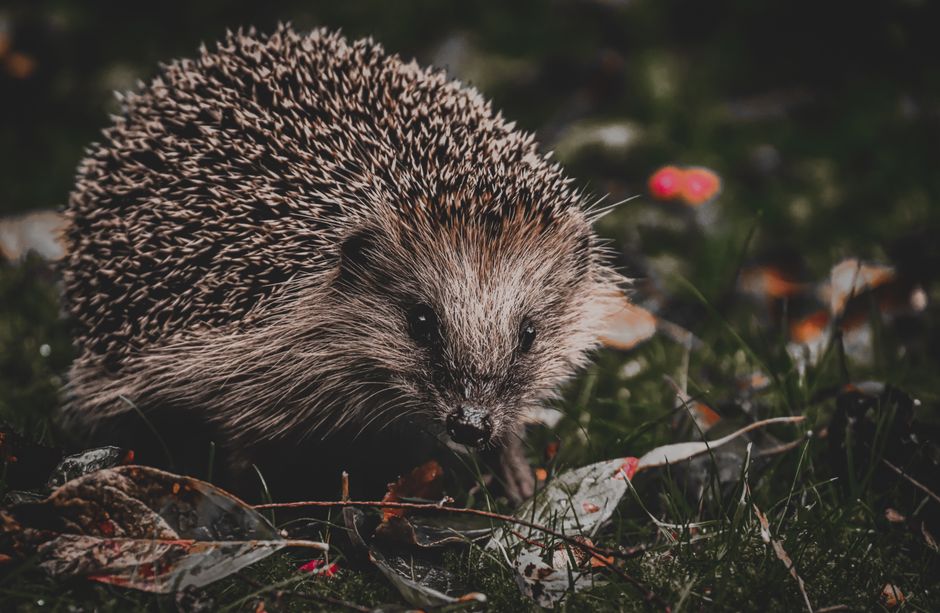
Why Is My Hedgehog Losing Quills? Key Causes
Discover why your hedgehog is losing quills, how to identify quilling versus mites, and practical ways to protect your pet's sensitive skin.
 🐹Small Mammals
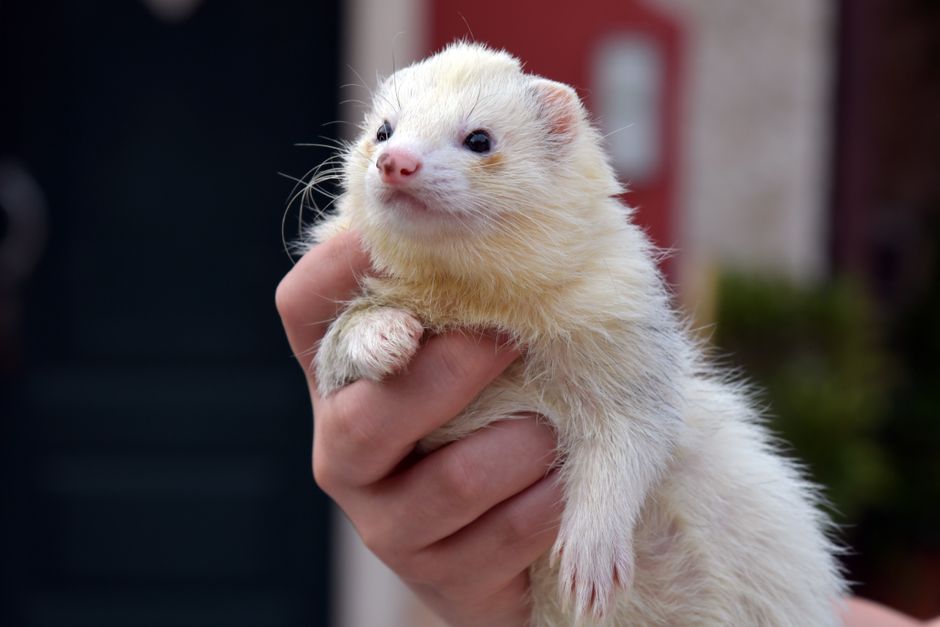
Why Is My Ferret Shaking? Causes and Care Guide
Discover why your ferret is shaking, from normal waking tremors and excitement to medical issues that need quick vet care.
 🐹Small Mammals
How to Bond With a Sugar Glider: Easy Guide
Discover effective steps to build trust and bond with your new sugar glider safely.