Why Does the Marine Iguana Sneeze Salt Out of Its Nose?
If you have ever seen a marine iguana shooting a powdery mist into the air, you might wonder what is going on. These unusual coastal creatures are famous among animal lovers for their surprising ocean habits. Understanding the secret biology of the marine iguana gives us a fascinating look into how wild animals adapt to extreme environments.
How Do Marine Iguanas Get Rid of Excess Salt?
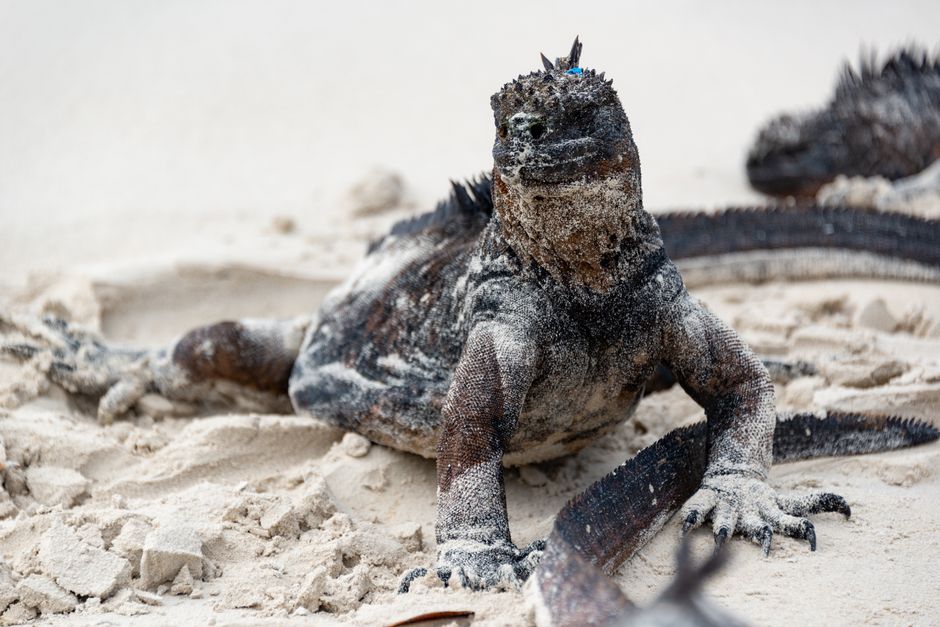
Marine iguanas get rid of excess salt by shooting concentrated brine out through their nostrils using special nasal glands. When these coastal animals swim in the sea, they swallow large amounts of ocean water alongside their food. That extreme level of sodium would easily poison most land animals if it remained inside their bodies. To handle this daily challenge, special glands located right between their eyes act like a high performance filtering system. These glands collect excess sodium directly from the blood stream and channel it straight into the nasal passage. Once enough fluid builds up, the lizard forcefully sneezes, blowing the white salty mist out into the air where it often settles on their heads like a powdery crust.
Why Is Salt Expulsion Necessary for Reptile Health?
Salt expulsion is vital because a lizard's kidneys are not strong enough to process extreme levels of ocean sodium on their own. When sodium builds up in the body, it quickly pulls hydration out of vital tissues, leading to dangerous dehydration and systemic failure. Wild animals that live along the coast must keep their internal fluids balanced to survive. By using their nose glands to blow away the surplus sodium, these creatures protect their organs while continuing to feed in marine environments. For home reptile keepers, this dynamic is a great reminder of how delicate internal hydration balances are for all captive species, which is why consulting an exotic animal veterinarian is always recommended whenever a pet shows signs of fluid imbalance.
Are Marine Iguanas the Only Lizards That Forage at Sea?
Yes, marine iguanas are the only living lizards on Earth that actively forage at sea for their food. While many other coastal reptiles spend time near the water or swim across rivers, no other lizard species dives into ocean waves to collect its daily meals. They bravely enter cold ocean waters to scrape plant matter directly off underwater rocks. This peculiar aquatic lifestyle makes them completely unique among all living species found in the wild today. Their entire body structure, from their flat swimming tails to their powerful grip, is built to support this ocean lifestyle.
What Do These Ocean Lizards Eat Underwater?
These ocean lizards feed almost entirely on marine algae growing on submerged rocks along the sea floor. As they use their short snouts and sharp teeth to graze on the plants, ocean water constantly fills their mouths. They end up swallowing significant amounts of salt water during every single feeding session. Without their unique nasal gland trick, this daily ocean diet would prove lethal very quickly.
Why Does So Much Salt Exit Through a Marine Iguana's Nose?
Nearly all of the salt exits through a marine iguana's nose because their specialized nasal glands are far more effective at removing sodium than their kidneys. In fact, roughly ninety five percent of the excess sodium they ingest leaves their bodies through these nasal bursts. The glands between their eyes actively extract the salt from their blood and push it into the nasal cavity in a highly concentrated form. This leaves the kidneys free to handle normal waste functions without getting overwhelmed by oceanic water intake. The resulting high pressure sneezes send the concentrated sodium flying away from their nostrils, keeping the lizard safe and healthy.
Can You Keep a Marine Iguana as a Home Pet?
No, you cannot keep a marine iguana as a home pet because they are wild, protected animals with extreme environmental and dietary needs. Their strict reliance on fresh marine algae and specific wild conditions makes keeping them in home enclosures impossible. Attempting to keep wild species in household setups leads to severe illness and stress. Anyone interested in keeping cold blooded companions should focus on captive bred species, and potential owners should thoroughly research space and heating requirements before bringing any new animal into their home. You can learn more about general care for land species by visiting our reptile species section on our site.
Final Thoughts
Learning about how the marine iguana handles its salty ocean diet shows just how incredible wild adaptations can be. Their ability to blow concentrated sodium through their nostrils allows them to thrive in an environment that would otherwise be lethal. Studying the marine iguana reminds us how uniquely tailored wild animals are to their natural habitats.
Frequently Asked Questions
What happens if a marine iguana cannot expel salt?
If a marine iguana cannot clear excess sodium, the salt builds up in its bloodstream and causes fatal dehydration. Their kidneys cannot filter high salt concentrations on their own.
Where are the salt glands located on a marine iguana?
The specialized salt glands are located right between the eyes inside the skull. They connect directly to the nasal passages so the lizard can sneeze out concentrated brine.
Why do marine iguanas have white crust on their heads?
The white crust is leftover dried salt from when the lizard sneezes out concentrated brine. As the ocean mist evaporates on their skin, it leaves behind a visible sodium powder.
How do marine iguanas collect food under water?
Marine iguanas swim down to underwater rocks covered in marine algae and graze on the greenery. They use strong claws to hold tightly onto rocks against strong ocean currents.
Explore More Reptiles Guides
 🦎Reptiles
Hawksbill Sea Turtle Endangerment: What Happened
Learn the primary causes of hawksbill sea turtle endangerment, the history of the tortoiseshell trade, and how to protect them today.
 🦎Reptiles
Longest Wild Snake Ever Found: A Record Python
A record-setting giant reticulated python discovered in Indonesia reveals how large wild snakes can grow in undisturbed rainforests.
 🦎Reptiles
Reptile Smuggling: Inside the Haneda Airport Bust
Japanese customs seized 200 lizards stuffed into socks at Haneda Airport, shining a light on illegal wildlife trafficking.