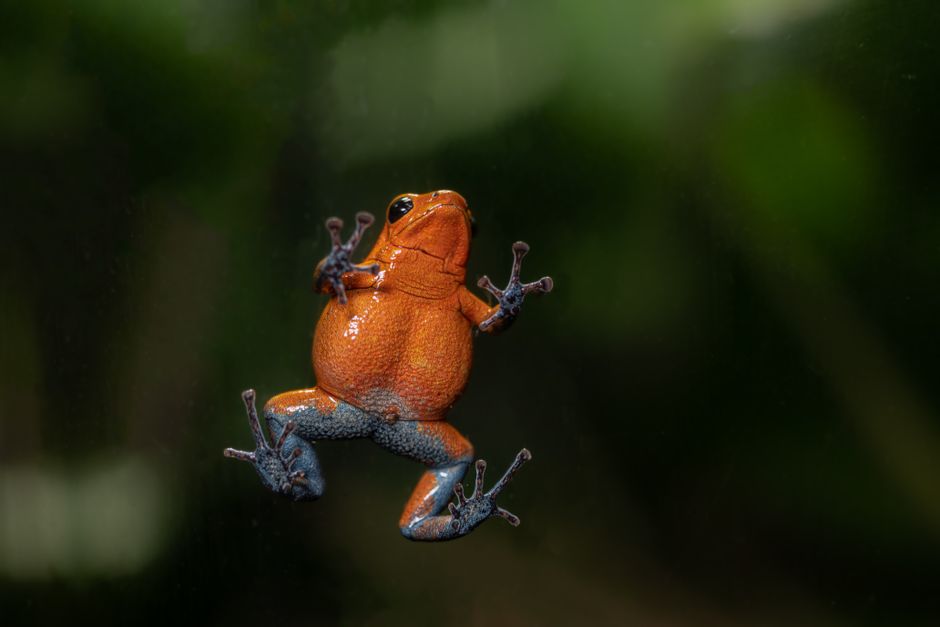
Why Does the Panamanian Golden Frog Wave Its Front Legs?
Have you ever wondered how a tiny creature makes itself heard over the sound of a rushing waterfall? The Panamanian Golden Frog developed one of the most unusual silent communication methods in the animal world. Many nature lovers and pet parents ask how this bright species manages to talk without making a sound.
How Does the Panamanian Golden Frog Communicate?
The Panamanian Golden Frog communicates by waving its front legs in a rhythmic visual signaling display rather than relying on vocal croaks.
In their native mountain streams, these bright yellow amphibians live directly beside crashing waterfalls. Sound travels poorly in these misty river zones because the constant roar of rushing water drowns out vocal calls. If a frog attempted to croak to find a mate or challenge a competitor, the loud background noise would completely drown out the sound. Over generations, this species developed an evolutionary solution that relies entirely on sight instead of sound. They move their front limbs in precise motions that stand out clearly against dark river rocks and flowing water. This unique visual strategy allows them to send clear messages across distances without wasting energy on vocal calls that no nearby frog could ever hear.
What Is Frog Semaphoring?
Researchers refer to this distinct leg waving behavior as semaphoring. The name comes directly from maritime history, where sailors held flags in specific positions to send visual messages between ships across open water. In much the same way, these frogs raise a front leg and move it in deliberate patterns. Each movement carries a distinct meaning depending on the speed and direction of the wave. A quick leg raise might signal basic awareness, while a longer series of movements indicates a firm territorial warning. This visual language is rare among amphibians and represents a survival strategy tailored specifically for noisy habitats.
Why Do Panamanian Golden Frogs Wave at Each Other?
Panamanian Golden Frogs wave at each other to court prospective mates, defend territory, and settle disputes without needing to fight.
Life near mountain streams requires clear social boundaries, especially during breeding periods when space on slippery rocks is limited. Male frogs frequently use visual leg signals to establish ownership of a prime resting spot. When another male approaches, the resident frog raises an arm to wave a clear keep away warning across the splash zone. If the visitor respects the visual signal, both frogs avoid a costly physical confrontation on dangerous terrain. Visual signaling plays an equally crucial role in mating rituals. A male waves gently toward a prospective female to express interest, using deliberate limb movements to catch her eye amidst heavy river spray.
Can You Keep a Panamanian Golden Frog as a Pet?
No, you cannot keep a Panamanian Golden Frog as a home pet because they are critically endangered and protected under strict wildlife laws.
Wild populations suffered severe declines due to habitat destruction and a deadly fungal infection called chytridiomycosis. Today, surviving individuals are cared for in specialized biosecure breeding facilities managed by conservation experts and zoos. If you want to care for pet frogs at home, you can choose among many legally captive bred amphibians through reputable suppliers. Always research full adult care needs and consult an exotic animal veterinarian for personalized guidance on habitat setup, diet, and health monitoring before bringing any amphibian home.
Is the Panamanian Golden Frog Extinct in the Wild?
The Panamanian Golden Frog is considered critically endangered and may currently be extinct in its natural wild environment.
A devastating fungal disease swept through Central America and decimated native populations in their forest streams. To prevent complete loss of the species, biologists gathered remaining wild individuals to start controlled breeding efforts. These rescue facilities keep the frogs safe from disease while experts research ways to treat the fungus in natural habitats. The ultimate goal of these programs is to return healthy populations back to Panama's mountain streams once conditions are safe again.
Final Thoughts
Learning about the Panamanian Golden Frog highlights the remarkable ways animals adapt to difficult environments. While the Panamanian Golden Frog faces serious challenges in the wild, ongoing conservation efforts offer hope for its future. Supporting habitat protection helps ensure these unique visual communicators endure.
Frequently Asked Questions
What sound does a Panamanian Golden Frog make?
While they possess vocal cords, Panamanian Golden Frogs rely primarily on visual limb waving because roaring waterfalls drown out their vocalizations.
What color is the Panamanian Golden Frog?
This species is famous for its bright yellow to golden body, often decorated with dark brown or black spots.
Why is the Panamanian Golden Frog endangered?
A destructive fungal infection known as chytridiomycosis combined with habitat loss rapidly reduced wild populations throughout Panama.
How can you tell male and female Panamanian Golden Frogs apart?
Female frogs are generally larger than male frogs, and males are seen semaphoring more frequently to mark territory.
Explore More Amphibians Guides
 🐸Amphibians
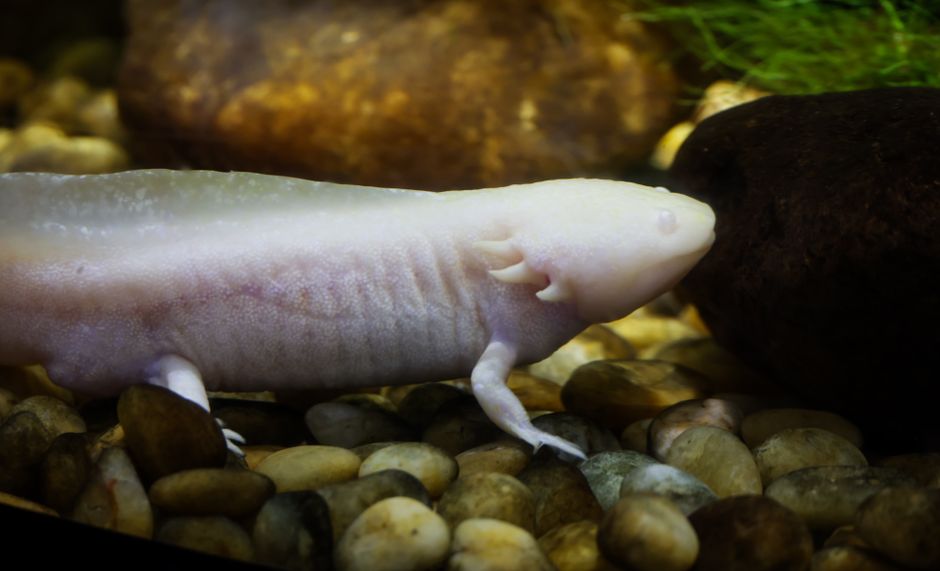
Hellbender Salamander Guide: Facts, Habitat, Care
Meet the hellbender salamander, North America's largest aquatic amphibian known as the snot otter, and discover why rivers need them.
 🐸Amphibians
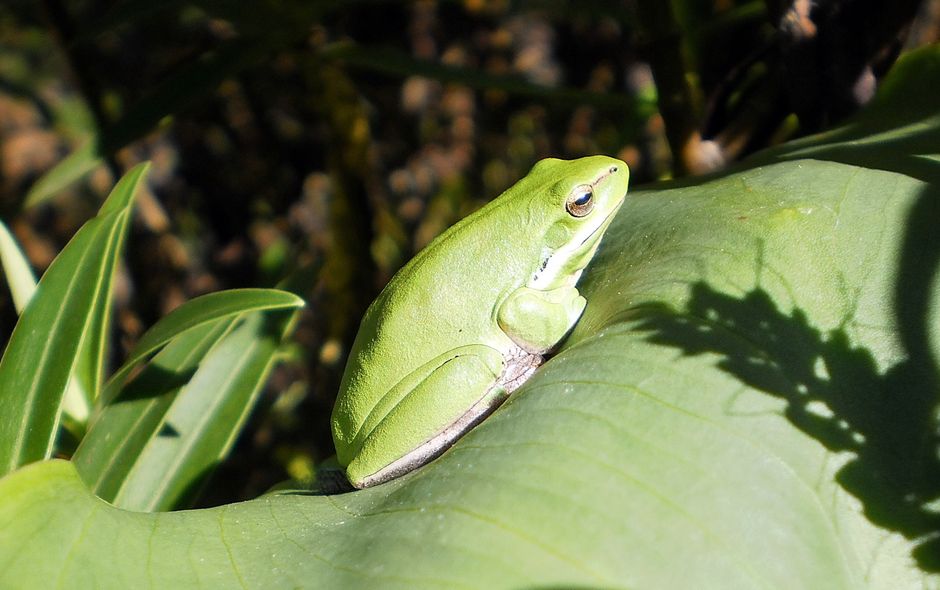
What Do White's Tree Frogs Eat? Complete Diet Guide
Discover the ideal feeder insects, safe portion sizes, and feeding schedules to keep your pet White's tree frog healthy and thriving.
 🐸Amphibians
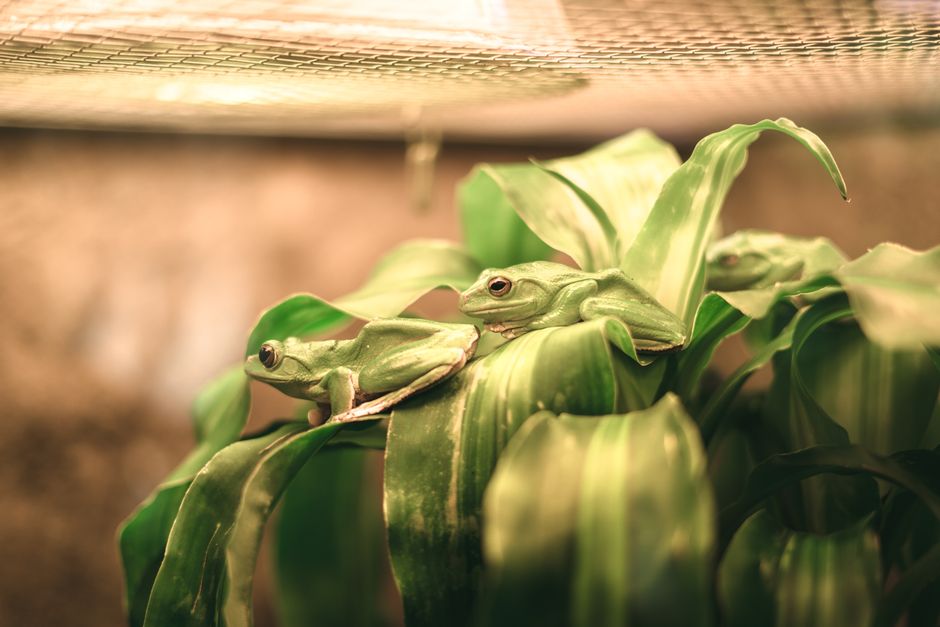
White's Tree Frog Habitat Setup: Beginner Guide
Build the ideal White's tree frog habitat setup with proper tank size, gentle heat, humidity control, and safe substrate choices.