Bird Flu Backyard Feeders: Is It Safe to Feed Birds?
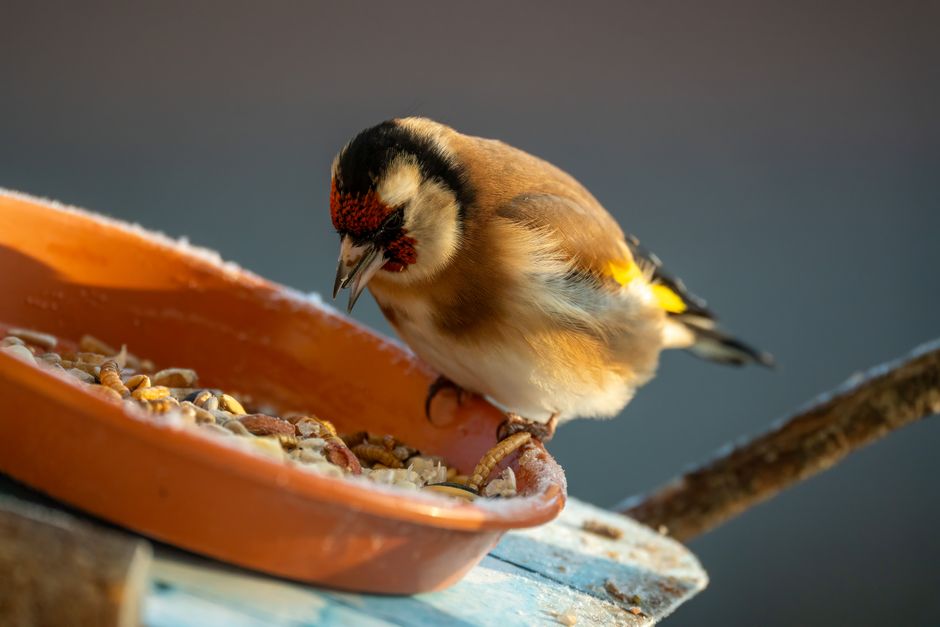
Feeding wild visitors in your yard feels like a wonderful way to connect with wildlife, but local health updates have changed how we care for them. When discussing bird flu backyard feeders, wildlife experts suggest that high-density feeding stations can unintentionally spread avian influenza among visiting birds. Taking simple precautions now protects both the local bird population and any domestic pets in your home.
Avian influenza is a contagious viral infection that moves quickly through wild bird communities, especially where birds gather in large groups. Seed trays, water fountains, and suet blocks act like crowded cafeterias where sick and healthy birds share space and saliva. Understanding the link between feeders and virus transmission gives you the tools to keep your backyard safe and clean.
Why Are Experts Concerned About Bird Flu Backyard Feeders?
Experts worry about bird flu backyard feeders because artificial feeding stations create crowded congregation points where the virus spreads rapidly through saliva, feces, and direct contact. In natural settings, birds scatter across wide territories to forage, which slows down the transmission of illnesses. When many species crowd onto a single perch, a single infected bird can quickly contaminate the entire feeding station.
Wild waterfowl like ducks and geese naturally carry avian flu strains, but the virus frequently spills over into songbirds, raptors, and corvids. When seed spills on the ground, ground-feeding birds gather directly under the droppings of perching birds. This setup creates an easy path for the virus to pass into new flocks that move across your neighborhood.
Seasonal migrations also complicate the problem. As birds travel hundreds of miles along migration routes, they stop at backyard feeding stations for a quick meal. If these stops harbor active viruses, migrating birds can carry the pathogen to new geographic regions within days.
How Avian Flu Spreads Between Flocks
The virus passes between birds primarily through respiratory droplets, shared water, and infected droppings. Contaminated dust can also blow off dry perches, settling into surrounding grass or nearby gardens. Because bird flu can survive in cool, wet environments for weeks, contaminated bird baths and damp seed trays become long-term reservoirs for infection.
Can Backyard Bird Feeders Put Pet Birds at Risk?
Backyard bird feeders can put pet birds at risk if outdoor pathogens are carried indoors on your shoes, hands, clothing, or through open windows. Pet parrots, parakeets, finches, and canaries are highly susceptible to avian influenza and have no natural immunity against wild strains. If you keep companion birds in your home, feeding wild birds right outside requires strict biosecurity to avoid cross-contamination.
Tracking contaminated organic material into your living area happens very easily. Stepping near seed hulls on your patio or brushing against a dirty feeder pole can transfer virus particles directly onto your clothing. Once inside, handling your pet bird or their cage without changing clothes can introduce the virus directly to your pet.
The risk also extends to outdoor pets in your yard. If you have outdoor animal enclosures, similar to pet owners keeping tortoises outside, you must make sure wild bird droppings do not contaminate their food or water dishes. Always consult an exotic bird veterinarian immediately if your domestic pet bird shows any respiratory symptoms, changes in droppings, or lethargy.
What Are the Signs of Sickness in Backyard Birds?
Sick backyard birds usually show visible signs of physical distress, including extreme lethargy, ruffled feathers, cloudy eyes, and unusual lack of fear around humans. In many cases of avian influenza, affected birds lose coordination, tilt their heads sideways, or struggle to fly away when approached. Recognizing these symptoms helps you act before more wildlife suffers.
Healthy birds are alert, quick to react, and spend substantial time preening and moving. When a bird sits completely still on a feeder for hours with half-closed eyes, it is almost certainly fighting an illness. In severe cases, sudden death without obvious injury can happen around feeding stations.
Watch out for these specific warning signs in wild birds visiting your property:
- Unsteady movements, head tremors, or swimming in tight circles
- Discharge around the eyes, swollen eyelids, or cloudy pupils
- Ruffled, unkempt feathers and drooping wings
- Difficulty balancing on branches or refusal to fly
- Noticeable breathing difficulty, open-mouth breathing, or gasping
If you see a bird showing several of these warning signs, remove your feeders immediately to stop others from gathering. Do not attempt to catch or nurse sick wild birds yourself, as this can spread the illness further. Contact your local wildlife conservation agency or a licensed wildlife rehabilitator to report the sighting.
How Can You Safely Maintain or Take Down Your Feeders?
To safely manage your yard during an outbreak, you should temporarily remove all bird feeders and bird baths for at least two to four weeks. Taking down feeding stations forces wild birds to disperse into natural habitats, which instantly cuts down the rate of disease transmission. If you live in an area with confirmed local cases, taking down stations is the safest choice for wild populations.
If you choose to keep feeders up in an area with low transmission, maintaining strict cleanliness is mandatory. Routine sanitation stops mold, bacteria, and viruses from building up on surfaces birds touch daily.
Follow these practical maintenance steps to keep your backyard as safe as possible:
- Scrub feeders weekly using a mild bleach solution of one part bleach to nine parts warm water.
- Rinse all feeding equipment thoroughly with clean water and let it air dry completely in the sun before refilling.
- Rake and discard spilled seed hulls, droppings, and debris from the ground underneath the feeder every few days.
- Wear dedicated outdoor gloves when handling equipment, and wash your hands with soap before touching indoor pets.
- Empty, clean, and refill bird baths daily with fresh, running water instead of letting standing water sit.
Safer Ways to Support Birds Without Feeders
You can still support native wildlife without creating crowded artificial feeding hotspots. Planting native berry shrubs, nectar-rich flowering perennials, and seed-producing grasses gives wild birds natural foraging opportunities. Natural food sources grow spread out across your garden, allowing birds to feed individually rather than bunching together on a single plastic tray.
Leaving dead tree snags or installing nesting boxes also provides shelter without gathering birds around food. These habitat features support the ecosystem sustainably while dramatically lowering the risk of spreading infectious diseases.
Final Thoughts
Staying informed about bird flu backyard feeders helps you protect both the wild creatures you love and the pets inside your home. By keeping equipment clean, watching for warning signs, and taking down feeders during local disease spikes, you support wildlife responsibly. Explore more RarePetCare guides to learn practical tips for keeping your exotic pets and backyard companions healthy all year long.
Frequently Asked Questions
Can humans catch bird flu from backyard bird feeders?
Human infections from songbirds are extremely rare, but handling sick birds or unwashed feeders without gloves creates unnecessary health risks.
How long should I leave my bird feeders down during an outbreak?
Wildlife experts generally recommend leaving feeders down for at least two to four weeks after local outbreaks to encourage birds to disperse.
Are hummingbirds vulnerable to avian influenza at nectar feeders?
Hummingbirds are less susceptible to avian flu strains than waterfowl or raptors, but their feeders should still be cleaned twice weekly to prevent mold and bacterial growth.
What should you do if you find a dead bird near your feeder?
Avoid touching the carcass with bare hands, pick it up using an inverted plastic bag, and report the occurrence to your state or regional wildlife department.
Explore More Birds Guides
 🦜Birds
Wild Parrots of San Francisco: Rescue and Urban Life
A wild red-masked parakeet was freed by firefighters in San Francisco, showing the unique challenges feral parrot flocks face in the city.
 🦜Birds
How to Bond with a Bird: Safe Steps for Pet Parents
Learn how to bond with a bird using gentle body language, predictable routines, and positive reinforcement to build lifelong trust.
 🦜Birds
How to Stop Parrot Screaming: Safe and Proven Fixes
Discover humane, practical strategies to calm a loud bird, eliminate attention shrieks, and restore peace to your home.