Wild Parrots of San Francisco: Rescue and Urban Life
A sudden rescue on a high balcony recently reminded city dwellers that wild exotic birds live right alongside them. The wild parrots of San Francisco are a famous feral flock of red-masked parakeets that thrive across Telegraph Hill and local parks. Originating from escaped cage birds decades ago, these vocal green and red parakeets have made the urban canopy their permanent home while navigating daily city hazards.
City life presents real challenges for wild birds, from glass towers to fast traffic. When one curious parakeet found itself trapped on a residential balcony, local firefighters stepped in to help. The event sparked renewed curiosity about where these exotic birds came from and how pet parents can better understand their companion birds at home.
How Did the Wild Parrots of San Francisco Get There?
The wild parrots of San Francisco descend from captive exotic pets that escaped or were released into the city during the late twentieth century. Instead of perishing, these South American red-masked parakeets adapted to the mild coastal weather and formed a self-sustaining breeding colony on Telegraph Hill.
Red-masked parakeets are native to parts of Ecuador and Peru. Decades ago, thousands of these birds were imported into the United States for the commercial pet trade. Many pet owners found their loud calls and high energy difficult to manage indoors. Accidental escapes occurred, and some overwhelmed keepers let their birds go outdoors. Against the odds, the lost birds found each other and bonded into a thriving flock.
The coastal city offered an unexpected paradise for the birds. San Francisco is filled with non-native ornamental trees, backyard fruit gardens, and flowering shrubs. These plants provide a steady food supply through every season. The steep, rocky cliffs around Telegraph Hill also mimic the natural nesting habitats these parakeets would seek in their native ranges.
From Escaped Pets to Urban Survivors
Survival was not guaranteed for these former pets. Escaped domestic birds usually struggle to find food and evade predators like hawks, falcons, and stray cats. The red-masked parakeets succeeded because they are intelligent, adaptable flock animals that learn from one another.
Older birds taught younger generations how to forage for cypress seeds, eucalyptus blossoms, and backyard feeder bounty. As their numbers grew, the flock divided into smaller family groups that now range across several neighborhoods. Despite their feral success, releasing unwanted pets into the wild is never humane. Anyone considering an exotic bird must research a species' full adult needs before buying, or consult an exotic-animal veterinarian for guidance if pet care challenges arise.
What Happened During the Telegraph Hill Balcony Rescue?
San Francisco firefighters recently rescued a wild red-masked parakeet after the bird wedged its head between glass panels on a residential balcony. Emergency crews carefully separated the glass to free the trapped bird, which flew away unharmed to rejoin its flock.
The parakeet had spent hours stuck along the railing on a quiet Sunday. Balcony glass creates an invisible trap for birds that cannot judge transparent barriers. The bird likely tried to squeeze through a tiny gap between glass sections to reach food or a perch, only for its head to get stuck behind the glass edge.
Concerned residents noticed the distressed parakeet struggling and knew they could not easily pull the bird out without causing injury. They called the local fire department. Using specialized tools, the firefighters gently widened the gap between the glass panes, allowing the bird to pull its head free. Moments later, the bird took off into the air without any visible injuries.
Common Balcony Hazards for Wild and Pet Birds
Balconies and high-rise apartments pose serious risks to both wild birds and companion parrots whose owners bring them out for fresh air. Glass railings are especially dangerous because birds perceive the reflection as open sky.
- Clear glass panels that birds cannot detect during rapid flight
- Narrow vertical gaps between glass panes where heads, wings, or feet get trapped
- Reflective surfaces that disorient birds and trigger territorial strikes
- Sudden wind gusts that slam small birds against solid balcony walls
- Open perches that leave birds exposed to urban birds of prey
Pet owners can protect local birds and their own companion animals by applying UV decals or frosted tape to clear outdoor glass. If you keep companion birds indoors, building strong communication helps you spot when your pet is anxious around windows. You can learn more in our guide on how to bond with a bird to better understand your pet's body language and stress signals.
What Should You Do If You Find an Injured or Trapped Parrot?
If you find an injured or trapped parrot, keep your distance, minimize loud noises, and contact your local animal care agency or a licensed wildlife rescue immediately. Attempting to grab a panicked bird with bare hands can cause severe bite injuries to you and break delicate bird bones.
A trapped parrot is terrified and views humans as predators. Parakeets and conures have strong beaks designed to crack tough nuts and strip tree bark. When cornered, their natural defense is to bite down hard. Quick movements and loud shouting only push the bird into a deeper state of panic, which can trigger cardiac stress or cause it to struggle harder against a trap.
If you must keep the bird safe while waiting for rescuers, throw a lightweight towel or light blanket gently over the bird. Darkness calms avian nervous systems. The fabric also shields the bird's wings and head from sudden thrashing. Never attempt to force a bird out of tight glass or metal gaps yourself unless instructed by an animal rescue professional.
Can Wild Parrots Survive in Modern City Environments?
Wild parrots can survive in modern cities as long as temperatures remain moderate and local vegetation supplies seeds, nuts, and clean water year-round. Cities across California, Texas, and Florida now host established colonies of feral parakeets and conures that thrive despite urban noise.
Feral parrots show incredible dietary flexibility. In San Francisco, the flock feeds on loquats, juniper berries, magnolia buds, and tree seeds. They adjust their foraging routes as different trees bloom throughout the year. Their loud, social nature also keeps them safe. When a raptor approaches, sentinel birds sound an alarm that sends the whole group diving into dense foliage for cover.
These wild flocks are famous for their raucous calls, which echo across city streets every morning and evening. In the wild, screaming is a vital survival skill used to keep the flock connected across long distances. For companion bird parents living in apartments, loud calls are often a challenge. Our helpful guide on how to stop parrot screaming explains how to address natural vocal behaviors indoors without stressing your pet.
Urban Threats Facing Feral Parrots
While the birds appear carefree as they fly above city parks, life in an urban jungle is tough. City birds face unique threats that natural forest birds never encounter.
- Poisoning from garden pesticides and rodent baits placed in city landscaping
- Window collisions on high-rise buildings and modern architectural glass
- Viral diseases spread quickly through crowded backyard feeding stations
- Cold winter storms that can deplete outdoor food supplies and lower body heat
Wildlife organizations monitor these flocks to ensure they remain healthy. The presence of these birds serves as a living reminder of how human choices impact the wildlife around us.
Final Thoughts
The remarkable survival of the wild parrots of San Francisco shows the intelligence and grit of exotic birds in modern cities. While their rescue stories end happily, every exotic bird deserves a safe environment, whether soaring over coastal hills or playing inside a home. Explore our other RarePetCare guides to learn practical tips on bird behavior, housing, and responsible exotic pet care.
Frequently Asked Questions
What kind of parrots live wild in San Francisco?
The wild flocks in San Francisco consist primarily of red-masked parakeets, also commonly called cherry-headed conures.
Are the San Francisco wild parrots protected by law?
Yes, local city ordinances and animal cruelty laws protect the feral parrots from capture, harm, or harassment.
Can escaped pet birds always survive in the wild?
No, most escaped pet birds lack foraging skills and fall victim to predators, harsh weather, or starvation.
What do wild urban parrots eat?
Urban parrots feed on seeds, berries, tree buds, blossoms, and fruits found in city gardens and ornamental trees.
Explore More Birds Guides
 🦜Birds
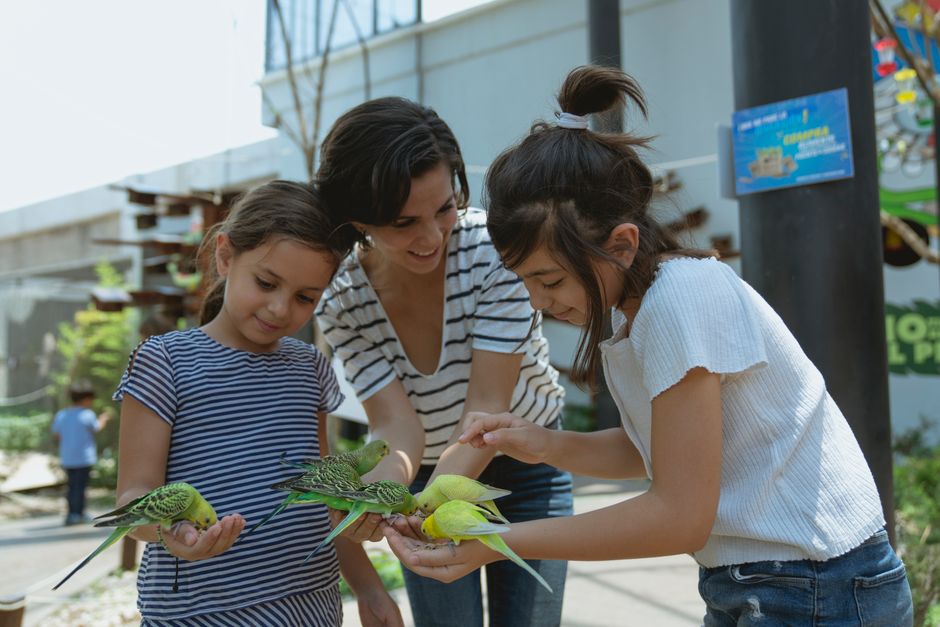
How to Bond with a Bird: Safe Steps for Pet Parents
Learn how to bond with a bird using gentle body language, predictable routines, and positive reinforcement to build lifelong trust.
 🦜Birds
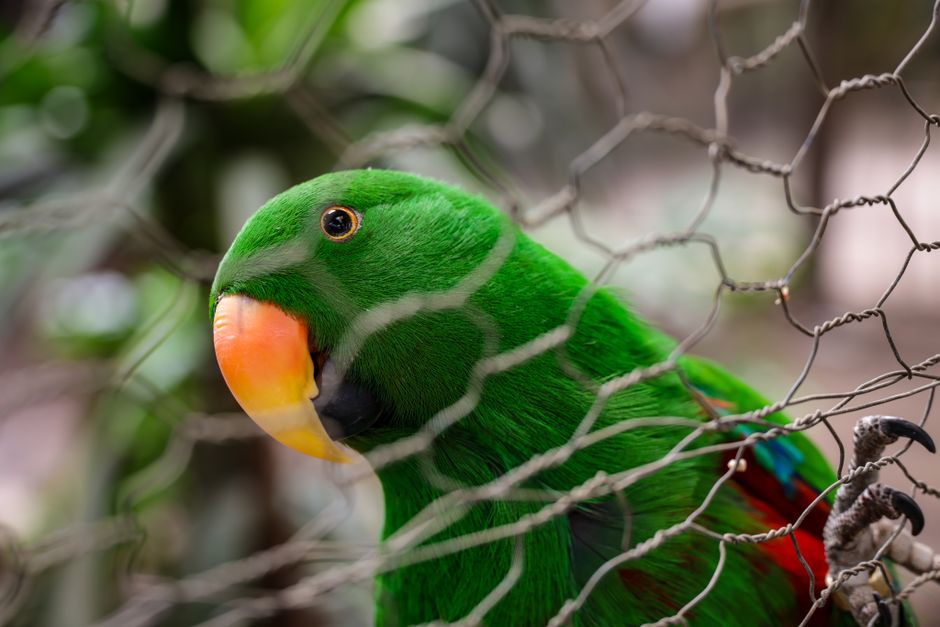
How to Stop Parrot Screaming: Safe and Proven Fixes
Discover humane, practical strategies to calm a loud bird, eliminate attention shrieks, and restore peace to your home.
 🦜Birds
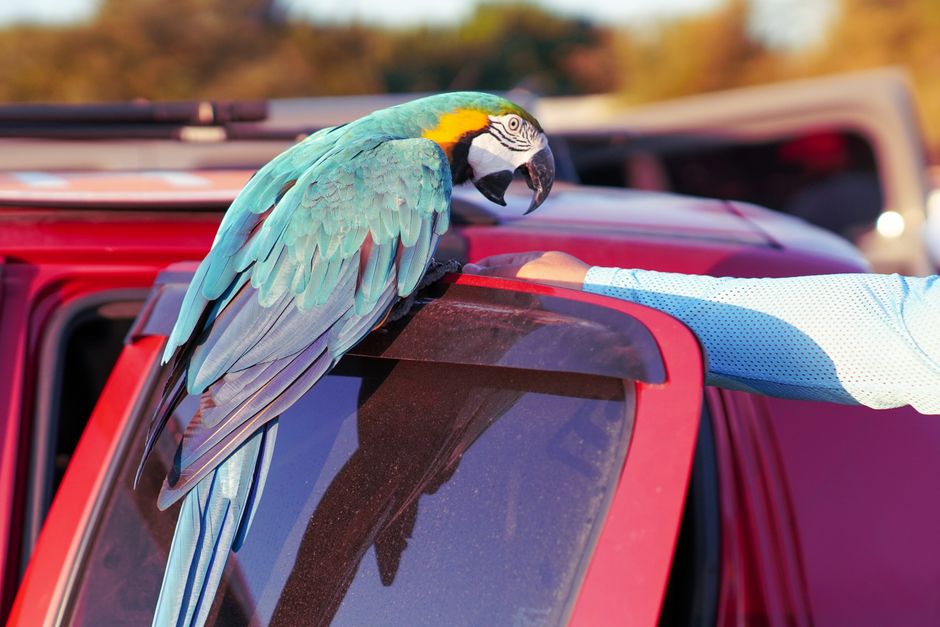
Traveling with a Bird: Safe Car Travel Guide
Learn how to prepare a secure travel carrier, manage car stress, and keep your bird safe on the road with this practical travel guide.