Why Is the Corn Island Boa So Rare in the Pet Trade?
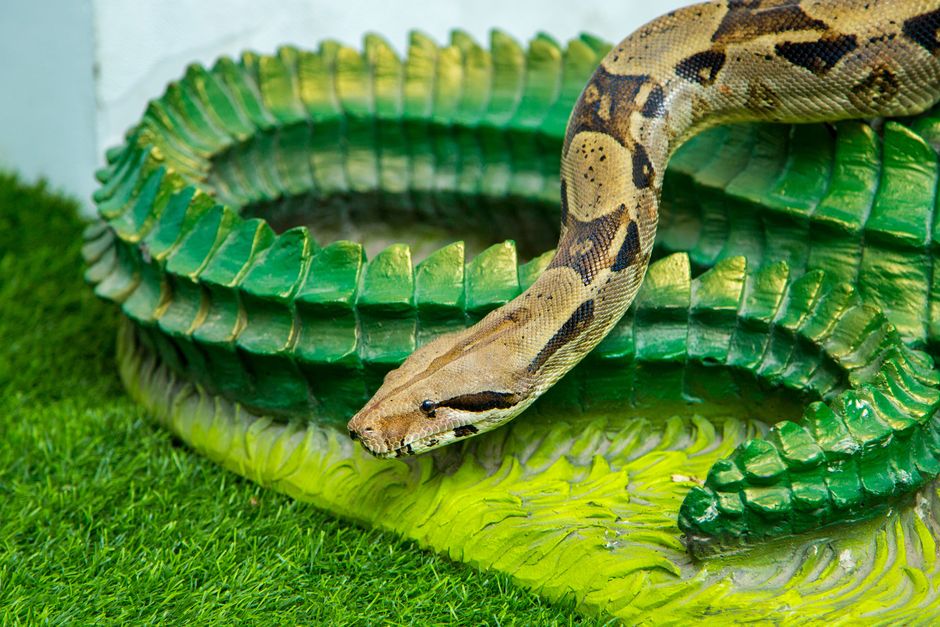
If you have been searching for a Corn Island Boa lately, you already know how difficult they are to find in the pet hobby. These small, fascinating snakes have always been uncommon among reptile enthusiasts, but recent years have seen an almost complete absence of new litters or young snakes for sale. Understanding why breeding them is tricky and why litters are so rare can help you decide if this unique constrictor fits your long term reptile keeping goals.
Why Are Corn Island Boas So Hard to Find?
Corn Island Boas are rare in the pet trade because very few breeders are actively producing successful litters each year. Over the past decade, new births have dropped off significantly across the entire reptile community, leaving a massive gap between pet parent interest and available animals. Because wild imports are extremely restricted and established captive pairs are scarce, hobbyists rarely see these beautiful constrictors listed on classifieds or at local reptile expos. Anyone hoping to acquire one often waits years on private breeder waitlists before an opportunity arises.
What Caused the Drop in Available Litters?
A major reason for the decline in available litters is the limited bloodline diversity among existing captive breeding stock. When an exotic snake population in captivity remains small, finding unrelated males and females becomes a serious challenge for enthusiastic keepers. Additionally, subtle environmental triggers needed for successful courtship can make pairing attempts unpredictable, leading to missed seasons and fewer viable offspring. Without fresh genetic lines or dedicated long term breeding programs, overall production has steadily slowed down over time.
Is a Corn Island Boa Right for You?
Yes, a Corn Island Boa can make an extraordinary pet if you appreciate rare constrictors and have solid experience caring for tropical snake species. Their manageable adult size and calm nature appeal to many experienced reptile parents who want something genuinely unique in their personal collection. However, prospective owners must carefully research a species' full adult needs and consult an exotic animal veterinarian before bringing home any uncommon reptile. Taking these essential steps ensures you can provide proper housing, steady heating, and consistent diet options for a pet that may require specialized husbandry.
What to Consider Before Searching for a Breeder
Before hunting for a rare snake, you should evaluate whether you have access to a qualified exotic vet and reliable feeder supplies in your local area. Rare species often demand precise thermal gradients and stable humidity ranges that require high quality cage hardware and digital monitoring devices. Also, because these animals are so scarce, finding secondary care advice or replacement stock can be difficult if you run into unexpected care challenges. Being thoroughly prepared before taking on a rare constrictor is the best way to ensure long term success for both you and your animal.
How Do You Care for a Corn Island Boa?
Caring for a Corn Island Boa requires maintaining consistent humidity levels, secure thermal zones, and a low stress enclosure environment. Like many island dwelling boas, they thrive when provided with secure habitats that reflect their warm native island habitat. Keepers usually rely on heavy duty PVC enclosures or glass terrariums fitted with thermostat controlled heating pads or radiant heat panels to keep ambient temperatures safe and steady. Regular cage maintenance, clean drinking water, and properly sized prey items keep these gentle snakes healthy year after year. You can discover more helpful setup guides across our reptiles section to see how island constrictors compare to mainstream pet snakes.
2>Can You Successfully Breed Corn Island Boas at Home?Breeding a Corn Island Boa at home is possible for dedicated keepers, but it demands immense patience, precise timing, and mature conditioning. Breeders must establish correct seasonal cooling and heating cycles to encourage natural mating behaviors between compatible adult snakes. Because female boas give birth to live young rather than laying eggs, maintaining ideal ambient humidity and stress free gestation conditions over several months is vital for healthy litters. Success depends on giving adult animals proper nutrition and rest well before attempting any pairings during the active breeding season.
Final Thoughts
While finding a healthy Corn Island Boa takes dedication and patience, preserving this rare species in captivity remains a rewarding goal for passionate reptile parents. Working with ethical breeders and focusing on high standard husbandry helps support the future of this unique Corn Island Boa population in the hobby. Always set up and test your enclosure completely before welcoming any new snake into your household.
Frequently Asked Questions
Are Corn Island Boas venomous?
No, Corn Island Boas are non-venomous constrictors that pose no toxic risk to humans.
How big do Corn Island Boas get?
Corn Island Boas are a dwarf boa species, generally remaining smaller and more manageable than larger mainland boas.
What do Corn Island Boas eat in captivity?
They eat appropriately sized frozen-thawed rodents such as mice or young rats matched to the width of the snake.
Do Corn Island Boas lay eggs or give live birth?
Corn Island Boas are viviparous, meaning they give birth to live baby snakes rather than laying eggs.
Explore More Reptiles Guides
 🦎Reptiles
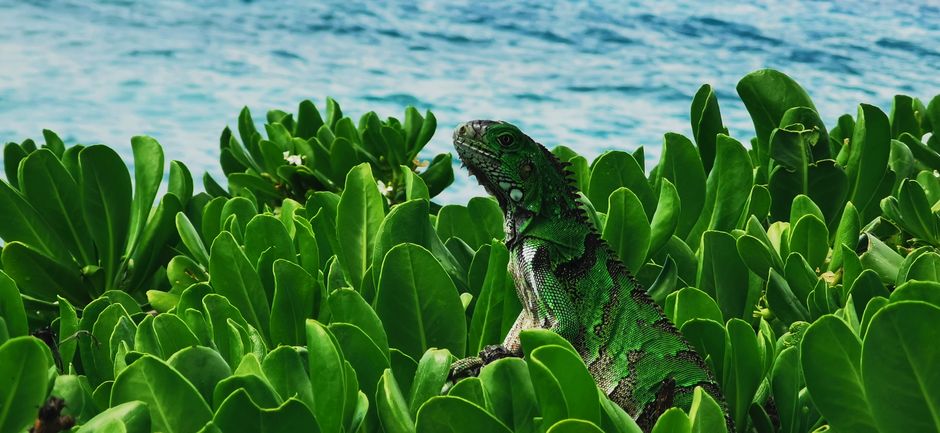
Marine Iguana: The Ocean-Feeding Lizard
Meet the marine iguana, the only lizard on Earth that dives into cold ocean waters to graze on underwater algae.
 🦎Reptiles
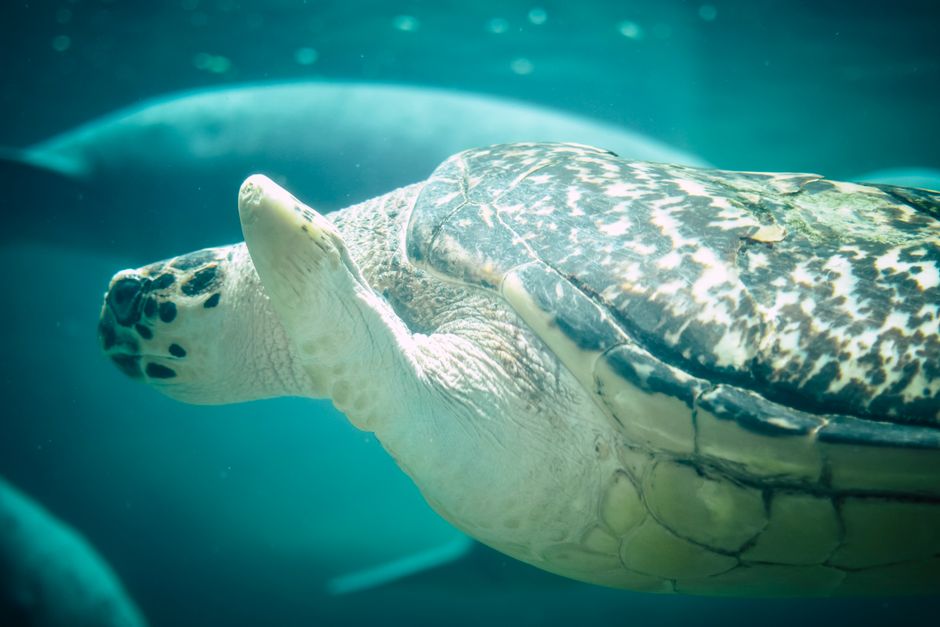
Hawksbill Sea Turtle Endangerment: What Happened
Learn the primary causes of hawksbill sea turtle endangerment, the history of the tortoiseshell trade, and how to protect them today.
 🦎Reptiles
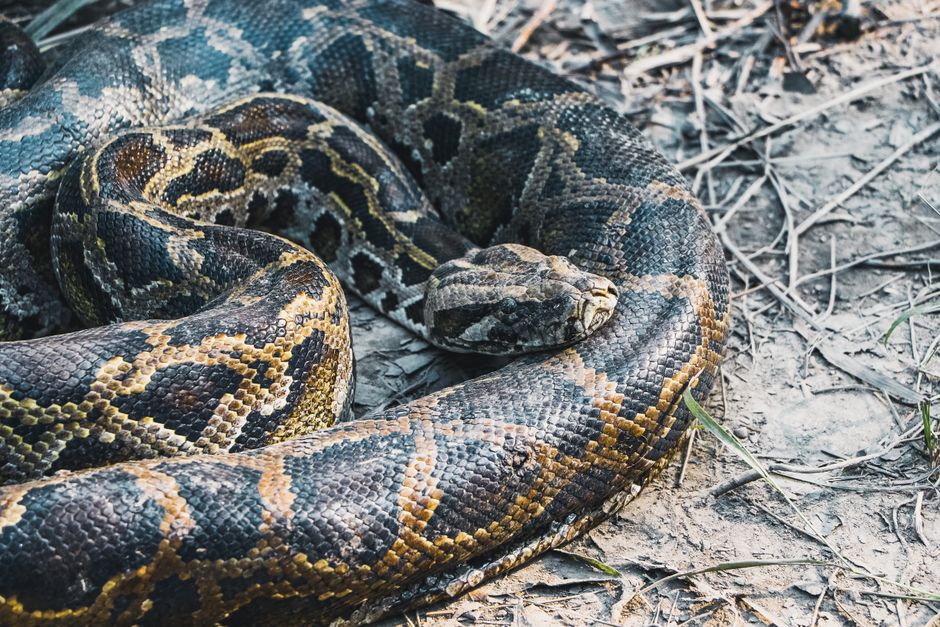
Longest Wild Snake Ever Found: A Record Python
A record-setting giant reticulated python discovered in Indonesia reveals how large wild snakes can grow in undisturbed rainforests.