Why Is the Lemon Frost Leopard Gecko Linked to Cancer?
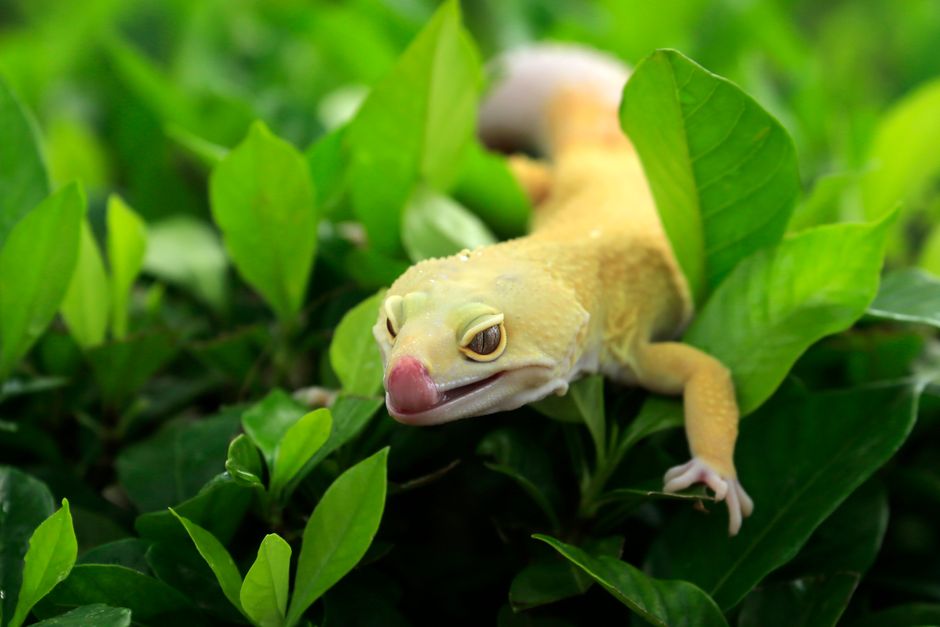
If you have seen a lemon frost leopard gecko online or at a reptile expo, you likely noticed its brilliant coloration and bright eyes right away. Many reptile enthusiasts search for this morph because of its striking appearance, but it comes with a serious health concern that every prospective owner needs to know about. Before deciding to bring one home, it is vital to understand the genetic risks connected to this unique line of geckos and why they are causing so much discussion among keepers.
What Makes a Lemon Frost Leopard Gecko Different From Other Morphs?
The lemon frost leopard gecko is a visual color morph recognized by its intense yellow pigmentation and bright white eyes. Beyond its bright look, this variety carries a distinct genetic trait that affects pigment-producing cells in the skin. These specialized cells, known as iridophores, create the stunning iridescent shine that makes the gecko so popular among breeders and collectors. However, the exact genetic mechanism that creates this beautiful color also causes serious cellular abnormalities. Owners who choose to care for these animals often face distinct health management challenges that differ significantly from caring for standard morphs. If you are interested in expanding your collection with unique reptiles, learning about these physical differences is an essential first step. Knowing what lies beneath the surface helps you make the best choice for your household.
How Do Pigment Cells Affect Coloration?
Pigment cells in reptiles are responsible for creating skin colors and reflective patterns across their bodies. In this specific gecko morph, the iridophore cells reproduce much faster than they would in a standard wild type or common morph. While this rapid growth produces vivid, bright colors, it also creates significant risks for the animal as it grows older. The overproduction of these cells directly links the morph's appearance to its underlying health concerns.
Why Do Lemon Frost Leopard Geckos Develop Tumors?
Lemon frost leopard geckos develop tumors because the gene responsible for their bright color causes iridophore cells to grow uncontrollably. These skin growths are medically known as iridophoromas. As the gecko matures, these abnormal cells cluster together beneath the surface of the skin, forming noticeable bumps or raised lesions. Over time, these tumors do not always remain on the outer layer of the body. They frequently spread deeper into internal organs, particularly affecting the liver. This invasive spreading can cause severe systemic health problems and reduce the animal's overall quality of life. Research into this condition has helped scientists gain valuable insights into how cancer develops in non mammal species. Because these internal growths are progressive, managing the comfort of an affected gecko requires close daily observation. Whenever you suspect a health issue or notice unusual bumps on your pet, you should consult an exotic animal veterinarian for personalized medical guidance and care.
Can These Tumors Spread to Internal Organs?
Yes, iridophoromas tumors in these geckos regularly metastasize and spread into internal organs. The liver is the primary internal organ targeted by these spreading cancerous cells. Once internal organs are impacted, an affected pet may show signs of physical decline, general lethargy, or a decreased interest in food. Monitoring your gecko for subtle behavioral shifts is critical if they carry this mutation.
Should You Buy a Lemon Frost Leopard Gecko?
No, most experts recommend against purchasing a lemon frost leopard gecko due to the exceptionally high risk of tumor development. Buying these geckos encourages breeders to continue producing a line with known, harmful genetic defects. Pet parents should always prioritize the long term health and well being of an animal over aesthetic preference or rare color traits. Choosing healthier, well established morphs ensures your pet lives a comfortable life free from predictable genetic pain. Responsible ownership means asking breeders detailed questions about genetic history before bringing any animal home. Supporting ethical breeding practices protects individual pets and promotes better animal welfare standards across the entire pet care community.
How Are Scientists Learning From This Specific Gecko Morph?
Scientists are studying this morph because its tumor growth patterns offer valuable clues about cancer development in non mammals. Researchers can observe how iridophoromas form under the skin and migrate to major organs like the liver. This natural occurrence provides a unique biological model for studying non mammalian oncology without artificial laboratory intervention. By examining these genetic traits, researchers hope to better understand cellular mutations across different animal groups. While this scientific research is beneficial for broader medical knowledge, it highlights the tragic reality for individual geckos affected by the condition. Understanding these biological processes helps keepers appreciate the complex relationship between genetics and health.
Final Thoughts
Understanding the health challenges of the lemon frost leopard gecko helps pet parents make informed, compassionate decisions. While their striking appearance is tempting, the associated health risks make them a difficult choice for pet owners. Always consult an exotic veterinarian and prioritize overall health over rare color traits when selecting your next reptile companion.
Frequently Asked Questions
What is an iridophoroma in leopard geckos?
An iridophoroma is a tumor that forms from iridophores, which are light-reflecting pigment cells in reptile skin. In affected geckos, these cells multiply excessively and create cancerous growths.
Do all lemon frost leopard geckos get tumors?
A high percentage of lemon frost leopard geckos develop tumors over time. The genetic mutation that produces the color morph is directly tied to abnormal pigment cell growth.
Can iridophoroma tumors in geckos be cured?
There is currently no medical cure for genetic iridophoroma tumors in geckos. Treatment focuses primarily on palliative care and maintaining the animal's comfort with veterinary help.
Which organs are affected when gecko tumors spread?
While the tumors begin underneath the skin, they commonly spread to internal organs, with the liver being the most frequently impacted organ.
Explore More Reptiles Guides
 🦎Reptiles
Marine Iguana: The Ocean-Feeding Lizard
Meet the marine iguana, the only lizard on Earth that dives into cold ocean waters to graze on underwater algae.
 🦎Reptiles
Hawksbill Sea Turtle Endangerment: What Happened
Learn the primary causes of hawksbill sea turtle endangerment, the history of the tortoiseshell trade, and how to protect them today.
 🦎Reptiles
Longest Wild Snake Ever Found: A Record Python
A record-setting giant reticulated python discovered in Indonesia reveals how large wild snakes can grow in undisturbed rainforests.