Amazing Axolotl Facts: Nature's Secret Salamander
Axolotls are among the most captivating creatures on our planet, catching the eye of animal lovers with their sweet faces and frilly crowns. Exploring amazing axolotl facts reveals a creature that defies the normal rules of animal development, regenerating its own body parts and staying in a permanent larval state throughout its entire life.
These extraordinary aquatic salamanders have captured the curiosity of scientists and pet parents alike. While they thrive in home aquariums around the world, their wild story is one of mystery, resilience, and urgent conservation need. Let us look closely at what makes these water dwellers so remarkable.
What Makes the Axolotl So Unique Among Amphibians?
The axolotl is unique among amphibians because it exhibits neoteny, meaning it keeps its larval aquatic features throughout its entire adult life. While most salamanders undergo metamorphosis to develop lungs and move onto land, the axolotl remains fully aquatic, keeping its tail fin and external gills forever.
In typical amphibian life cycles, eggs hatch into aquatic larvae, which later transform into terrestrial adults. Axolotls skip this final step of metamorphosis in nature. They mature, mate, and live out their full lifespans entirely submerged in cool freshwater.
This unusual trait means they never develop the dry skin or walking legs typical of land salamanders. Instead, they walk along lake bottoms and tank floors using small, delicate feet while swimming with a broad, rudder-like tail.
The Science of Staying Young
Scientists have studied this phenomenon for decades to understand the hormonal triggers behind metamorphosis. The axolotl's thyroid gland does not produce the hormone signals required to prompt physical transformation into a land animal. As a result, they enjoy an entirely aquatic existence from the day they hatch.
How Do Axolotls Regrow Lost Body Tissues?
Axolotls can completely regenerate lost limbs, skin, tail tissue, and even portions of major organs without leaving behind scar tissue. When an injury happens, their cells quickly gather at the wound site to rebuild perfectly functional bones, muscles, nerves, and blood vessels from scratch.
This incredible biological superpower is one of the most famous amazing axolotl facts known to modern biology. When an axolotl loses a leg, a specialized mass of cells called a blastema forms over the wound. These cells act similarly to stem cells, dividing rapidly and remodeling themselves into the exact tissues needed to replace the lost limb.
Researchers study this healing process closely in hopes of learning lessons that could benefit human medicine. For the axolotl, this ability is a vital survival adaptation that allows them to recover from accidents or bites from predators in the water.
Here is what happens during their regeneration process:
- A protective layer of skin cells covers the wound within hours of an injury.
- A blastema forms at the site, signaling cells to begin rapid division.
- Nerves, cartilage, and muscle fibers organize into a miniature limb bud.
- The structure grows and differentiates until a complete, fully functioning limb is restored.
Why Do Axolotls Have Feathery Plumes on Their Heads?
Axolotls have feathery plumes on their heads because these structures are external gills designed to pull dissolved oxygen directly from water. The branching, frilly filaments increase the surface area of the gills, allowing maximum contact between blood vessels and the surrounding aquatic environment.
When you watch an axolotl rest, you will often see these feathery structures twitch or fan gently backward. This fanning motion moves stale water away from the head and brings fresh, oxygen-rich water across the delicate gill filaments.
Axolotls also possess rudimentary lungs. On occasion, an axolotl will swim up to the surface, take a quick gulp of air, and drift back down to the bottom. This dual system gives them alternative ways to absorb oxygen if water conditions become less than ideal.
The vibrant color of their gills comes from blood flowing close to the surface of the thin tissue. In lighter color morphs, such as leucistic or albino varieties, the gills often appear bright pink or crimson when the animal is active.
Why Are Wild Axolotls Endangered in Their Native Habitat?
Wild axolotls are critically endangered because habitat destruction, severe water pollution, and the introduction of predatory fish have decimated their native waterways in Mexico. Fewer than 1,000 wild individuals are estimated to survive in the fragmented canals of Lake Xochimilco.
Originally, axolotls lived across a vast system of high-altitude lakes in the Valley of Mexico. As urban growth expanded over centuries, most of these lakes were drained or diverted, leaving only small, interconnected canal systems behind.
Invasive fish species, introduced into these waters decades ago, compete with axolotls for food and actively prey on young salamander larvae. Just as seen when people make the mistake of releasing goldfish into the wild, non-native aquatic animals can rapidly unbalance fragile native ecosystems and push indigenous species toward extinction.
Conservation Efforts in Xochimilco
Local conservationists and researchers are working with traditional farmers to create protected canal sanctuaries. By restoring floating agricultural islands known as chinampas and filtering canal water naturally, conservation teams hope to preserve clean refuge areas where wild populations can stabilize.
What Should You Know Before Keeping an Axolotl as a Pet?
Before keeping an axolotl, you must understand that they require cool, clean freshwater and specialized care parameters to stay healthy. They are delicate aquatic animals with permeable skin, making them exceptionally sensitive to water quality and temperature fluctuations.
Prospective pet parents must research a species' full adult needs before purchasing, as an axolotl can grow quite large and requires a dedicated, well-filtered aquarium. Because their skin absorbs chemicals directly from water, heavy water flow, poor filtration, or rough tank decorations can quickly cause stress or physical damage.
Here are several fundamental tank requirements every keeper should prepare:
- A spacious glass aquarium with ample floor space for walking and resting.
- A gentle filtration system that maintains clean water without creating strong water currents.
- A bare-bottom tank or very fine sand substrate to prevent accidental impaction from swallowing gravel.
- Cool water temperatures maintained away from direct sunlight and household heat sources.
If your pet shows signs of illness, floating issues, or gill loss, always consult an exotic-animal veterinarian experienced in amphibian care for proper diagnosis and treatment.
Final Thoughts
Learning these amazing axolotl facts highlights just how extraordinary and vulnerable these smiling amphibians truly are. Whether studying their cellular regeneration or admiring their gentle underwater presence, they remind us of nature's endless creativity. Explore our other amphibian and aquatic care guides on RarePetCare to discover more fascinating species and practical pet advice.
Frequently Asked Questions
Can axolotls live out of the water?
No, axolotls are fully aquatic salamanders and cannot survive out of water because they rely on external gills and water buoyancy to live.
How big do axolotls grow?
Axolotls generally grow to a length between 9 and 12 inches when fully mature in well-maintained aquatic habitats.
What do axolotls eat in captivity?
Captive axolotls eat earthworms, blackworms, soft amphibian pellets, and small freshwater invertebrates suited to their size.
Are axolotls fish or reptiles?
Axolotls are amphibians, specifically neotenic salamanders that keep their aquatic larval features throughout their entire adult lives.
Explore More Amphibians Guides
 🐸Amphibians
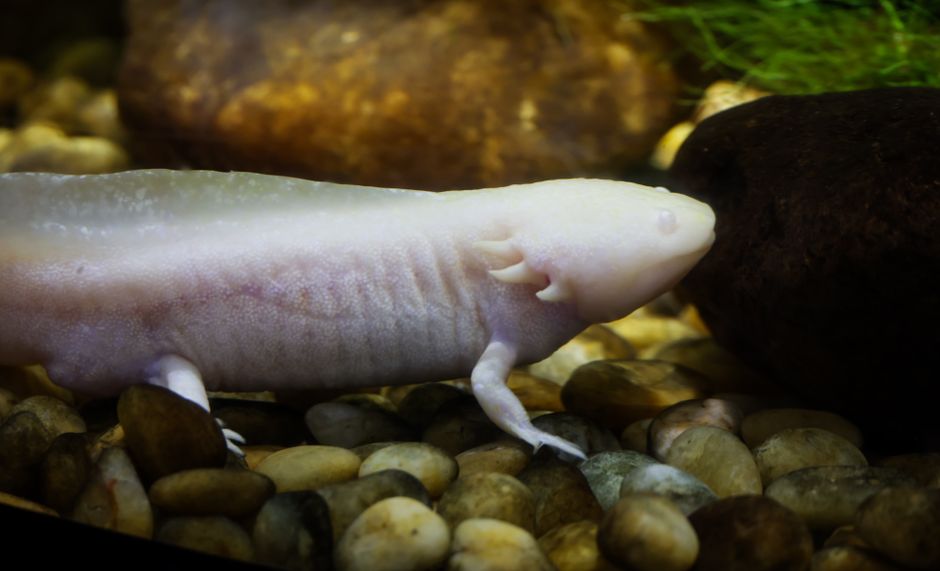
Hellbender Salamander Guide: Facts, Habitat, Care
Meet the hellbender salamander, North America's largest aquatic amphibian known as the snot otter, and discover why rivers need them.
 🐸Amphibians
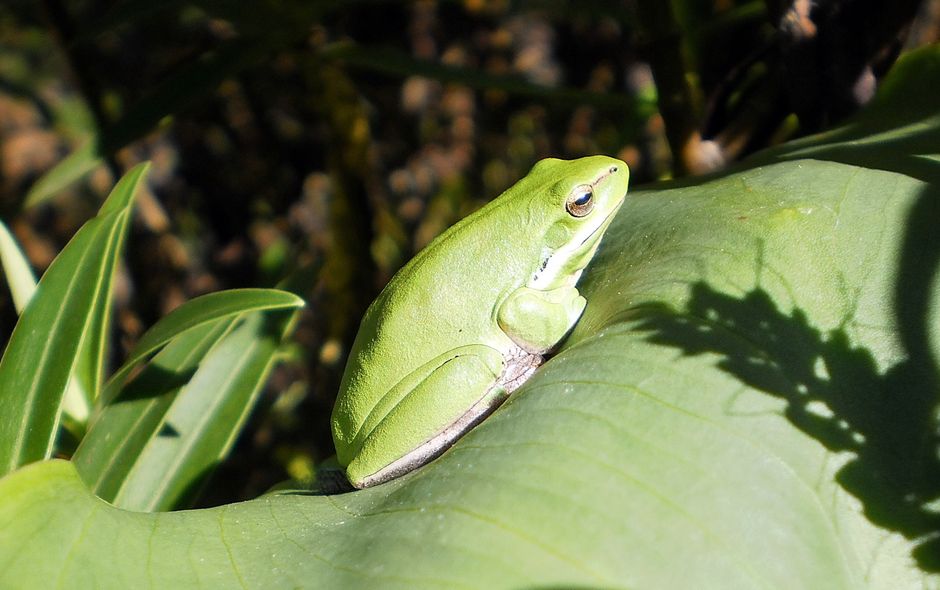
What Do White's Tree Frogs Eat? Complete Diet Guide
Discover the ideal feeder insects, safe portion sizes, and feeding schedules to keep your pet White's tree frog healthy and thriving.
 🐸Amphibians
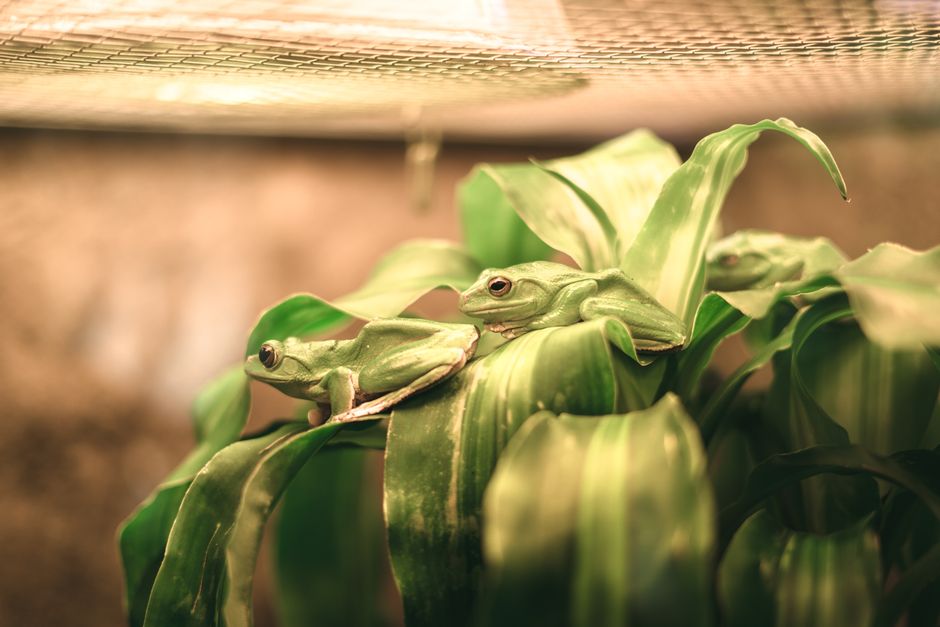
White's Tree Frog Habitat Setup: Beginner Guide
Build the ideal White's tree frog habitat setup with proper tank size, gentle heat, humidity control, and safe substrate choices.