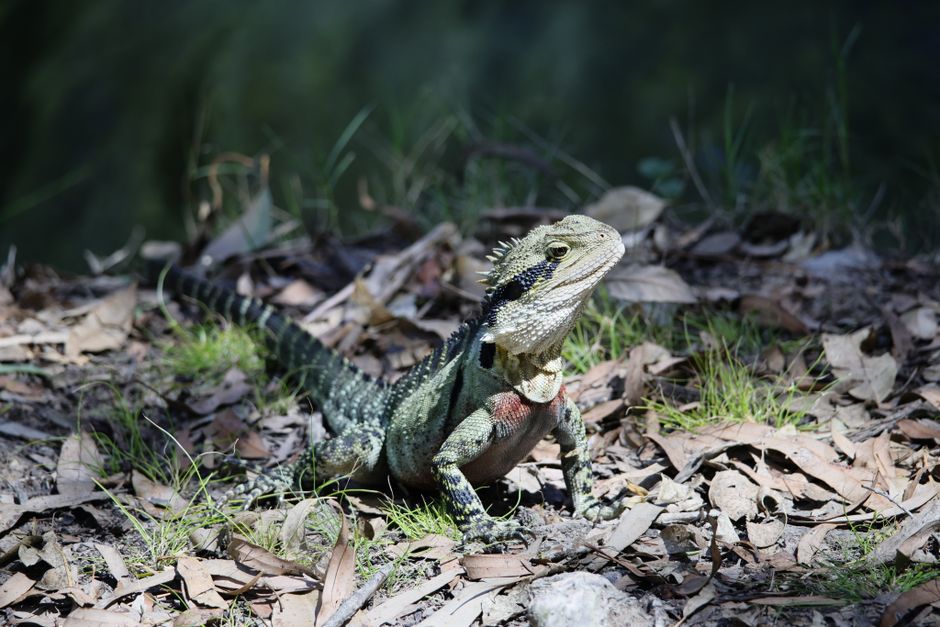
Australian Reptile Smuggling: Inside the Crackdown
Australia is home to some of the most striking lizards, snakes, and turtles on earth. Sadly, Australian reptile smuggling has turned these magnificent creatures into high-value targets for international criminal networks. Australian reptile smuggling is the illegal capture, transport, and sale of protected native reptiles to overseas collectors, often involving hidden parcels, severe animal cruelty, and a black market worth billions of dollars.
For reptile lovers, hearing about animals stuffed into postal packages is heartbreaking. Australia is fighting back with a specialized federal enforcement agency dedicated to hunting down wildlife smugglers. As pet parents, understanding where our animals come from is vital to keeping wild populations safe.
Why Is Australian Reptile Smuggling Such a Growing Threat?
Australian reptile smuggling is driven by intense global demand for rare, color-rich species that cannot be legally exported from Australia. Because the country banned the commercial export of native wildlife decades ago, overseas collectors pay thousands of dollars for wild-caught Australian lizards, skinks, and geckos.
Australia boasts unique evolutionary lines found nowhere else on the planet. Species like shingleback skinks, thorny devils, and specialized knob-tailed geckos command staggering prices on illicit overseas markets. When collectors overseas cannot buy these animals legally, criminal rings step in to fill the void.
The profit margins rival traditional contraband. Smugglers see native reptiles as low-risk, high-reward cargo. A single bag of rare lizards caught in the bush can bring in tens of thousands of dollars overseas, which makes the trade tempting for organized poaching syndicates.
This pressure takes a heavy toll on wild populations. Many Australian reptile species have small natural ranges and slow reproduction rates. Taking breeding adults out of the wild can quickly push fragile local ecosystems toward collapse.
How Australia's New Enforcement Agency Targets Smugglers
Australia's new enforcement agency targets wildlife criminals by tracking financial trails, screening international mail hubs, and coordinating intelligence between state rangers and federal police. The unit treats wildlife poaching as organized crime rather than a simple environmental fine.
Investigators use advanced scanning tools at international sorting centers to spot organic shapes inside packages. Mail hubs handle thousands of parcels daily, so smugglers often assume standard post is safe. The specialized team uses targeted package analysis and trained detector dogs to sniff out hidden wildlife before boxes leave the tarmac.
The agency also monitors domestic hubs where poachers stockpile captured animals before shipment. Raids have uncovered makeshift holding rooms with dozens of lizards crammed into plastic tubs or native turtles swimming in residential bathtubs. By disrupting the network before animals reach airports, the team saves lives.
Common Tactics Smugglers Use to Conceal Wildlife
Poachers use cruel and desperate concealment methods to transport animals across international borders undetected. Because reptiles can survive long periods without food, smugglers treat them like inanimate cargo rather than living, breathing pets.
Inspectors routinely intercept packages containing live reptiles hidden inside everyday items. Common concealment methods include:
- Stuffing slow-moving lizards inside rolled cotton socks to prevent them from scratching packaging.
- Taping gecko limbs against their bodies inside small plastic containers or hollowed-out electronics.
- Packing animals tightly inside children's toys, chip cans, and pressure cookers to fool routine baggage scans.
- Holding freshwater turtles in temporary residential bathtubs until fake export papers are cleared.
These harsh methods demonstrate the complete lack of care traffickers have for animal welfare. Many animals do not survive the journey, leading smugglers to pack even more specimens to account for expected losses.
The Harsh Reality of Smuggling for Animal Welfare
Smuggled reptiles suffer extreme physical trauma, dehydration, and asphyxiation during illicit transport. Unlike legal animal transport that prioritizes airflow, temperature regulation, and hydration, illegal trade relies entirely on keeping animals motionless and silent.
Reptiles depend on external heat sources to regulate their bodily functions. Trapped in cargo holds or cold postal distribution centers, their metabolisms crash. Many develop severe respiratory infections, crushed limbs, or permanent spinal damage from being taped into unnatural positions for days at a time.
The psychological stress on a wild-caught animal is equally destructive. Wild reptiles are suddenly ripped from their natural basking rocks, shoved into complete darkness, and subjected to loud engine vibrations. When authorities recover these animals, specialized wildlife veterinarians must spend months rehabilitating them before deciding if they can ever return to the wild.
Protecting wild reptiles requires community vigilance across every habitat. Just as conservationists monitor coastal beaches to aid protecting nesting sea turtles from human disturbance, wildlife agencies in Australia rely on hikers and local property owners to report suspicious trapping activity in remote desert and forest regions.
How Reptile Keepers Can Support Ethical Breeding
Reptile keepers can stop the illegal wildlife trade by purchasing animals only from reputable breeders who provide documented proof of captive-bred lineage. Refusing to buy wild-caught or unverified animals directly removes the financial incentive that keeps poachers in business.
If you love Australian species such as bearded dragons or blue-tongued skinks, make sure you do your homework before bringing one home. Research a species' full adult housing and dietary needs thoroughly before buying, and always establish care with a qualified exotic veterinarian. Choosing captive-bred stock ensures your pet was raised in a stable home rather than stolen from its native habitat.
Here are several practical steps you should follow when looking for a new reptile companion:
- Ask the breeder for detailed lineage records, photos of the parents, and hatch dates for the animal.
- Check that the seller holds the required local wildlife permits or licenses for your region.
- Avoid online sellers who offer unusually cheap prices or refuse to show their breeding setup.
- Inspect the animal for signs of wild capture, such as heavy tick loads, rostral nose rubbing, or missing claws.
- Report any suspicious online listings advertising wild-caught Australian native species to local wildlife authorities.
Ethical breeders care deeply about the bloodlines they raise. They focus on captive vitality, social habituation, and proper nutrition. By supporting dedicated local breeders, you protect wild ecosystems while welcoming a much healthier pet into your home.
Final Thoughts
The establishment of a specialized task force marks a major step forward in ending Australian reptile smuggling and holding poachers accountable. Every pet parent has a role to play by choosing captive-bred animals, demanding transparency from sellers, and respecting native wildlife. Take a look at our other RarePetCare guides to learn more about responsible exotic animal care and wildlife conservation.
Frequently Asked Questions
Why are Australian reptiles targeted by wildlife smugglers?
Australian reptiles are targeted because their export has been legally banned for decades, making unique native species rare, valuable, and prestigious among overseas collectors.
Can smuggled reptiles be returned to the Australian wild?
Many smuggled reptiles cannot return to the wild because their exact capture locations are unknown, and they face high risks of spreading foreign pathogens to native populations.
How can I tell if a reptile was captive-bred or wild-caught?
Captive-bred reptiles come with traceable breeder records, show calm temperaments, and lack the parasites, scars, or dehydration typical of wild-caught animals.
Are popular Australian pets like bearded dragons legal to own?
Yes, bearded dragons are legal to own in most places when purchased as captive-bred pets from licensed domestic breeders who do not rely on wild stock.
Explore More Reptiles Guides
 🦎Reptiles
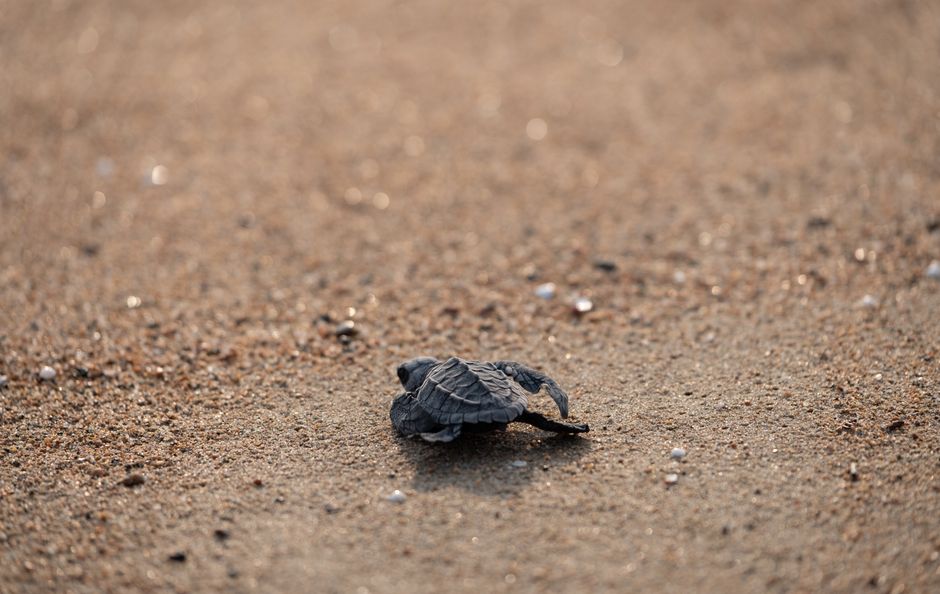
Sea Turtles Nesting in California: Storms and Rare Sights
Olive ridley sea turtles nested on California beaches for the first time, facing immediate danger from tropical storm swells.
 🦎Reptiles
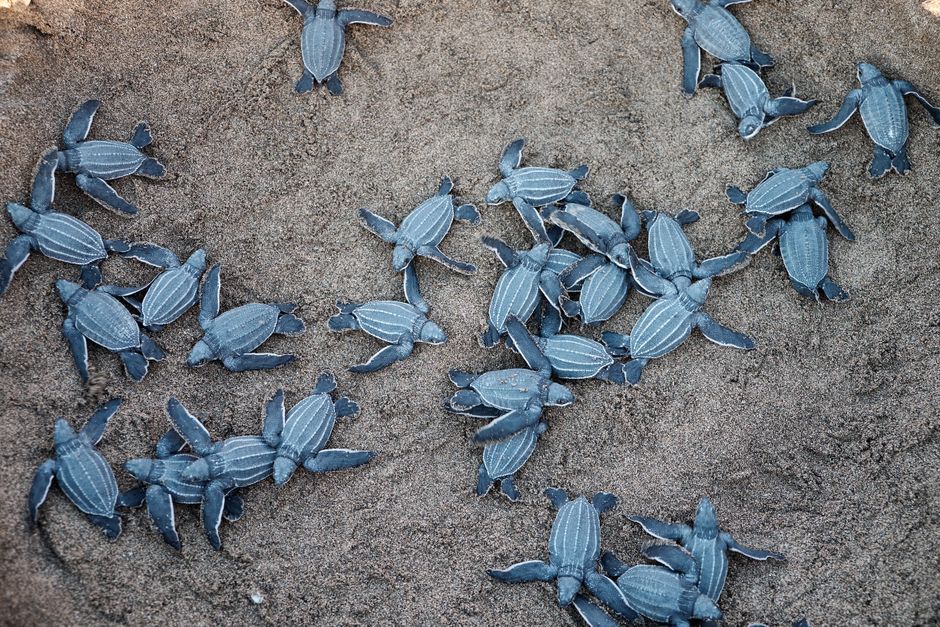
Sea Turtle Nesting West Coast: Rare Sighting Guide
A rare olive ridley sea turtle nested on a Southern California beach, marking a historic first for the West Coast.
 🦎Reptiles
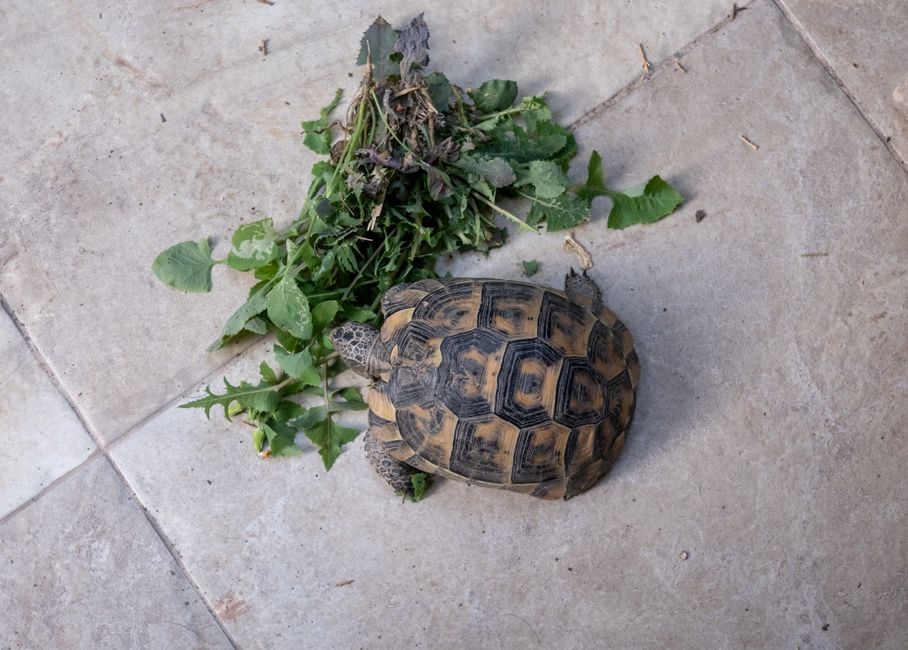
Can Tortoises Eat Tomatoes? Safe Diet Guide
Wondering if tortoises can eat tomatoes? Learn why the plant is toxic, how fruit affects digestion, and what greens are safer for your pet.