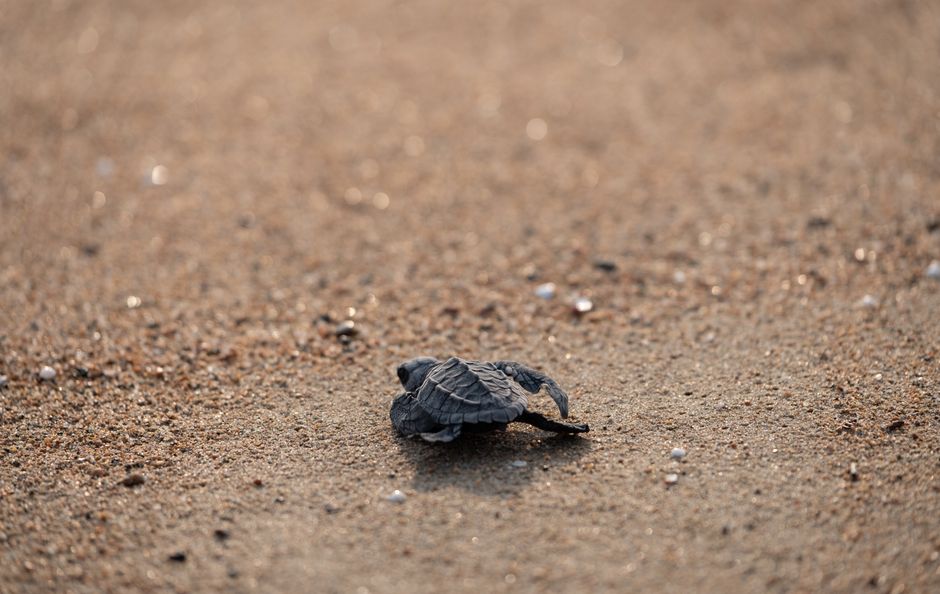
Sea Turtles Nesting in California: Storms and Rare Sights
Coastal wildlife watchers witnessed history when sea turtles laid clutches of eggs directly on sandy beaches far north of their usual nesting grounds. Reports of sea turtles nesting in California confirmed that olive ridley sea turtles established nests along the southern coast for the first recorded time, before incoming tropical storms quickly placed the vulnerable clutches in serious danger.
For reptile lovers, wildlife enthusiasts, and curious observers, this unusual arrival highlights how dynamic marine life can be. It also shows the fragile nature of reptile reproduction in an unpredictable climate.
Did Sea Turtles Really Nest on California Beaches?
Yes, olive ridley sea turtles nested on California beaches for the first time in documented state history. Female turtles came ashore in southern areas to deposit clutches of eggs directly into the warm sand, surprising coastal biologists and wildlife authorities alike.
Olive ridley turtles normally prefer the warm, tropical beaches of Mexico, Central America, and parts of the Indo-Pacific. They are well known for coordinated mass arrivals, but solitary females occasionally travel far beyond standard ranges. Ocean currents and warmer surface waters can guide these wandering females much further north than usual.
Seeing a female sea turtle crawl onto a California shore is remarkable. Most sightings in the region involve turtles foraging off the coast in open waters, not building nests. When these females chose local public beaches, scientists quickly stepped in to monitor the sites and protect the eggs from human foot traffic. You can learn more about these unusual regional visits in our detailed guide on sea turtle nesting west coast events.
Why Do Sea Turtles Nest Outside Their Normal Range?
Sea turtles nest outside their normal range primarily because shifting ocean currents and unseasonably warm surface waters encourage females to travel further north in search of food and suitable sand. When egg-laying season arrives, gravid females will sometimes seek out the nearest quiet beach that meets their nesting instincts.
Marine reptiles depend heavily on ambient water and sand conditions for their reproductive cycles. When sea temperatures rise along the Pacific coastline, the typical barriers that keep tropical turtles in southern waters weaken. Turtles follow schools of jellyfish, crustaceans, and small fish into new zones. Once a female carries fertile eggs, she must find sand to dig her egg chamber.
Sand temperature also plays a major role in nesting success. Sea turtles rely on warm sand to incubate their clutches properly. If sand is too cool, embryos cannot develop. Finding conditions warm enough to trigger nesting behavior on a California shore is unusual, showing that local beach conditions briefly aligned with what these nesting females needed.
How Did Tropical Storms Threaten the California Turtle Nests?
Tropical storms threatened the California turtle nests by generating heavy storm surges, high tides, and powerful waves that can wash away sand dunes and drown developing eggs. Sea turtle embryos breathe air through porous eggshells, so prolonged flooding suffocates the clutch completely.
Just as biologists and volunteers celebrated the surprise nesting events, severe weather moved up from the south. The storm brought intense wind and elevated ocean water that pushed high above the typical tide line. For nests situated on open public beaches, this created an immediate crisis.
The Dangers of Sand Erosion and Egg Inundation
Rising water causes two major problems for buried sea turtle eggs:
- Severe erosion strips sand layers away, exposing fragile eggs to sunlight, scavengers, and crashing waves.
- Saturated sand deprives turtle embryos of oxygen, which prevents healthy incubation and halts development entirely.
When high waves wash over an incubation chamber repeatedly, seawater fills the small air pockets between the grains of sand. Without air, developing embryos perish quickly. Nest relocation by certified wildlife professionals is sometimes the only way to save a nest facing imminent washouts, though disturbing a nest also carries significant biological risks.
Emergency Wildlife Protection Efforts
Authorized wildlife teams stepped in quickly to evaluate the site. Because wild sea turtles are strictly protected under federal and international law, members of the public cannot touch, dig up, or move nests under any circumstances. Specially trained experts monitored the water lines, tracked weather updates, and determined whether physical barriers or permitted nest transfers were safe.
Protecting wild reptiles requires strict adherence to conservation law and deep biological knowledge. Pet parents who keep captive reptiles know that every species has exact environmental demands, and anyone interested in herpetology must research a species' full adult needs before buying captive animals or interacting with protected species in nature.
What Happens to Turtle Hatchlings After Storms Pass?
If a sea turtle nest survives storm surges and completes its incubation period, the hatchlings emerge from the sand at night and crawl toward the brightest natural horizon over the sea. From there, ocean currents carry the tiny turtles into open offshore waters where they feed and grow.
Incubation usually lasts between 45 and 70 days depending on sand temperature. Once ready, the young turtles break their shells and work together to dig upward through the sand. To understand the early life stages of these young reptiles, you can read our breakdown explaining what is a baby turtle called and how they grow.
For any clutch laid so far north, the journey does not get easier after hatching. Coastal California waters become colder as autumn approaches. Young olive ridleys need warm currents to survive, so cold water shock remains a serious hurdle for any hatchlings that successfully make it into the Pacific surf.
How Can Beachgoers Protect Wild Sea Turtle Nests?
Beachgoers can protect wild sea turtle nests by keeping a respectful distance, avoiding the use of artificial lights or flashlights near the water at night, and reporting any turtle sightings immediately to state wildlife authorities. Disturbing a nest or shining lights on nesting females causes disorientation and can ruin reproductive attempts.
Many people do not realize how sensitive nesting turtles are to activity. A female crawling onto the sand will turn around and head back to the sea without laying her eggs if she spots people, moving shadows, or barking dogs. Keeping dogs leashed on coastal beaches prevents curious pets from accidentally digging up hidden egg clutches.
If you ever spot a sea turtle on a Pacific beach, remember these simple guidelines:
- Stay back at least fifty feet and never stand between the turtle and the ocean.
- Turn off flashlights, phone lights, and camera flashes, which blind and confuse the reptile.
- Keep pets far away and avoid making loud noises or sudden gestures.
- Contact local marine stranding networks or state wildlife departments right away.
Final Thoughts
The arrival of sea turtles nesting in California stands as a rare and captivating event for marine biology and wildlife enthusiasts. While storms and unseasonal conditions present steep challenges for these eggs, the event demonstrates how ocean shifts influence reptile behavior. Check out more RarePetCare guides to learn about fascinating wild reptiles, aquatic creatures, and companion pet care.
Frequently Asked Questions
Do sea turtles usually lay eggs on California beaches?
No, sea turtles almost never nest in California because coastal sands and waters are generally too cold for egg development. These documented olive ridley nests were the first confirmed occurrences in state history.
Can baby sea turtles survive in cold California water?
Baby sea turtles struggle in cool water because they are cold-blooded and need warm ocean currents to stay active. Hatchlings that enter cold coastal water face significant risks of cold stunning and reduced mobility.
What should you do if you find a sea turtle nest on a beach?
Do not touch or approach the nest, and keep other people and pets away from the area. Report the location immediately to local wildlife authorities or marine rescue organizations so certified biologists can protect it.
Are olive ridley sea turtles protected by law?
Yes, olive ridley sea turtles are protected under the Endangered Species Act and international conservation treaties. It is illegal to touch, harass, disturb, or harm them or their eggs.
Explore More Reptiles Guides
 🦎Reptiles
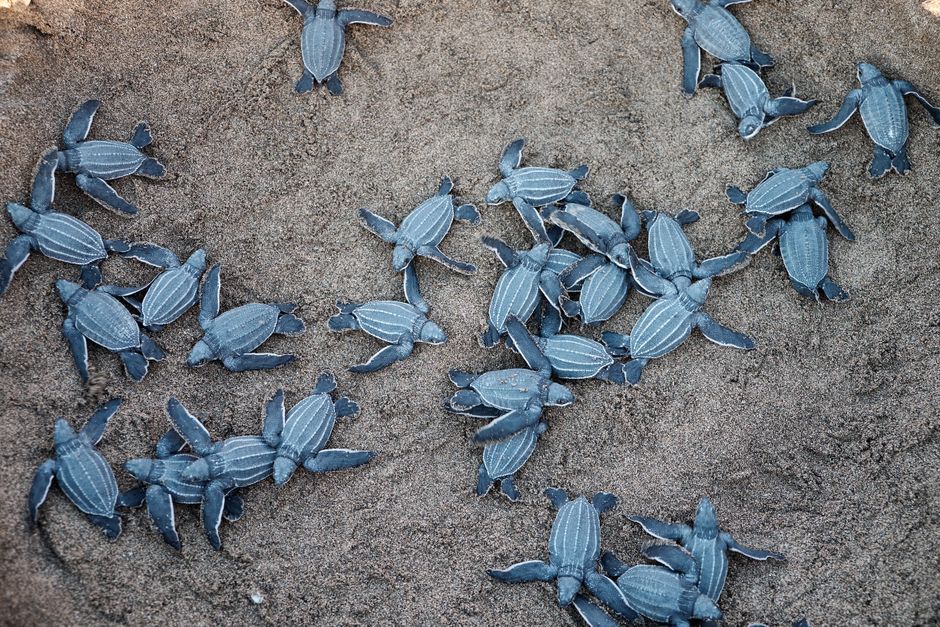
Sea Turtle Nesting West Coast: Rare Sighting Guide
A rare olive ridley sea turtle nested on a Southern California beach, marking a historic first for the West Coast.
 🦎Reptiles
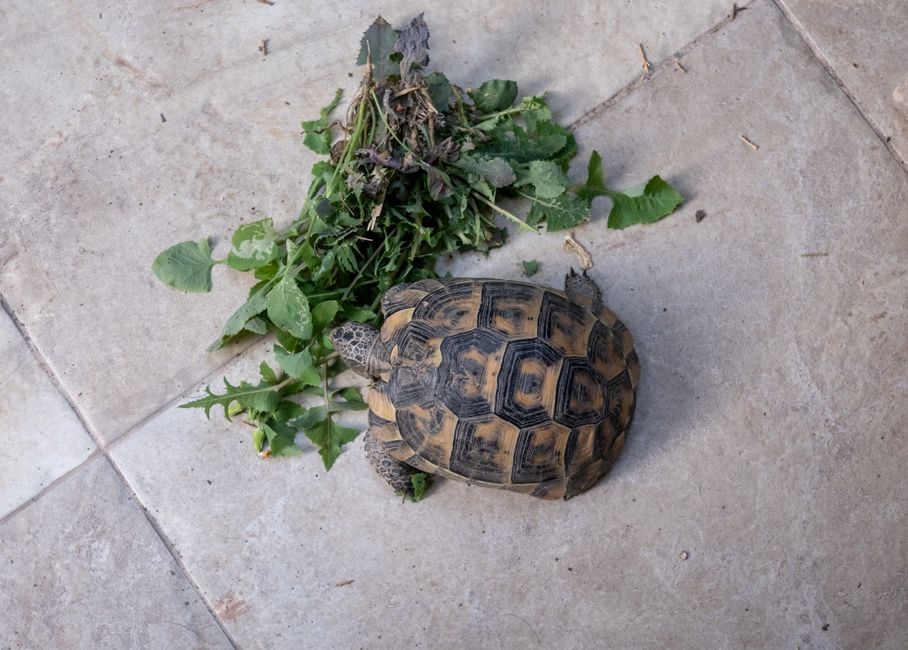
Can Tortoises Eat Tomatoes? Safe Diet Guide
Wondering if tortoises can eat tomatoes? Learn why the plant is toxic, how fruit affects digestion, and what greens are safer for your pet.
 🦎Reptiles
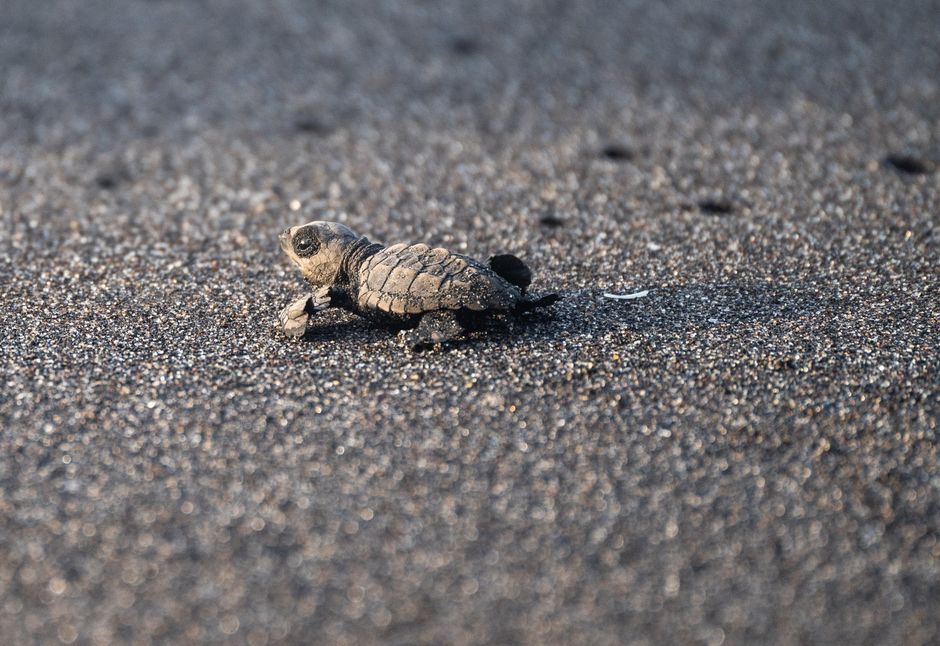
What Is a Baby Turtle Called? The Real Name Explained
Discover the true name for a baby turtle, why common naming myths exist, and how young hatchlings develop into adulthood.