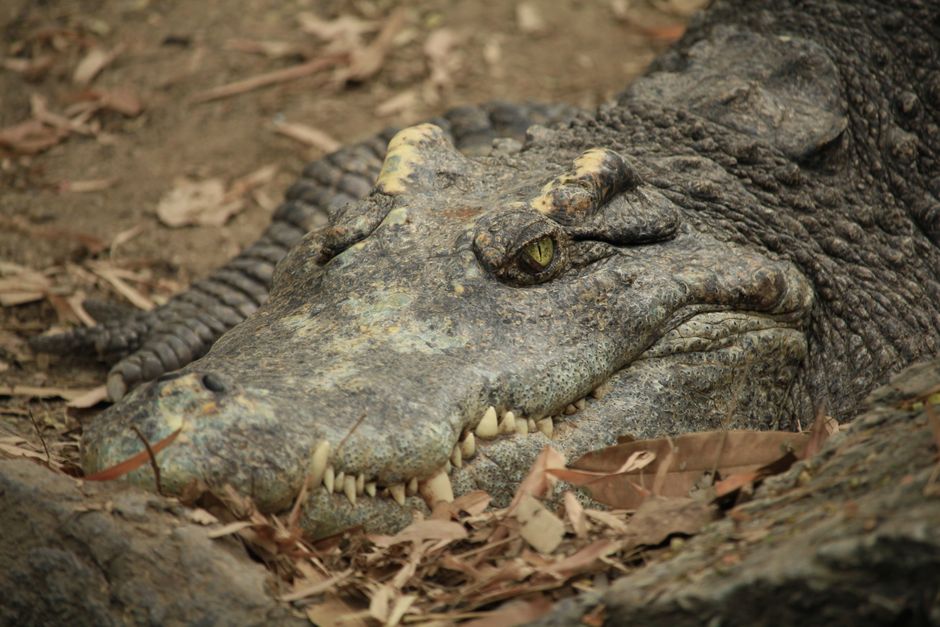
Mosasaur Hunting Strategy: How Sea Lizards Struck
Ancient marine lizards dominated prehistoric waters with remarkable power and diverse behavioral habits. A mosasaur hunting strategy was not a single universal method across all species, but a flexible mix of short ambush lunges and open water pursuit shaped by physical anatomy. While massive apex species commanded respect through sheer size, smaller relatives used specialized body mechanics to launch lightning fast attacks at evasive prey.
For reptile lovers, looking into the deep past reveals just how adaptable the lizard body plan truly is. Today, modern monitors and aquatic squamates showcase variations in predatory style that trace their mechanical roots back millions of years. Looking at these ancient sea reptiles helps us appreciate how form directly drives function in cold-blooded hunters.
What Was the Primary Mosasaur Hunting Strategy?
The primary mosasaur hunting strategy relied on sudden ambush acceleration from below or behind prey rather than long distance endurance chasing. Most mosasaurs used their muscular tails and paddle-like limbs to launch rapid bursts toward fish, squid, and other marine reptiles before their targets could react.
Unlike modern dolphins or tuna that maintain high speeds across open oceans for hours, these prehistoric squamates were built around explosive power. Their heavy, muscular bodies were suited for lurking in murky shallows or deep waters until the right opportunity arrived. Once prey strayed too close, a quick wave of the muscular tail drove the reptile forward in a devastating strike.
This ambush method mirrors what many modern reptile enthusiasts see in pet squamates today. If you keep reptiles at home, you already know that predatory reptiles depend heavily on temperature, concealment, and sudden strike movements. Those who compare pet options, such as readers of our guide on Bearded Dragon vs Leopard Gecko care, will recognize how body shape and lifestyle go hand in hand.
Why Did Smaller Mosasaurs Out-Lunge the 50-Foot Giants?
Smaller mosasaurs generated faster initial strike acceleration because their lower body mass created significantly less inertia to overcome when launching from a resting position. While giant species possessed immense overall muscle force, moving dozens of tons through dense water required far more time and energy than moving a lighter, sleeker frame.
Water resistance poses a serious challenge for any aquatic animal. When an animal attempts to double its speed, water drag increases exponentially. For a fifty-foot behemoth, pushing through that resistance demanded a steady buildup of forward momentum. Smaller species did not face the same hydrodynamic penalties, allowing their muscles to whip their bodies forward almost instantly.
The Physics of Water Drag and Inertia
Inertia is the resistance of any physical object to a change in its velocity. Because giant mosasaurs carried so much volume, their initial burst of acceleration was relatively sluggish. They were incredible powerhouses once up to cruising speed, but their immediate reaction time lagged behind smaller competitors.
Smaller species took advantage of this physical reality by specializing in lightning fast lunges. Their slender ribs, smaller head profiles, and reduced water displacement meant they could close short distances in the blink of an eye. This allowed them to capture quick, erratic prey that larger apex mosasaurs simply could not snag in close quarters.
How Did Skeletal Differences Separate Ambushers from Pursuers?
Key skeletal differences in the spine, tail vertebrae, and limb flippers determined whether an individual species was built for ambush strikes or prolonged pursuit. Stiffer spines with crescent-shaped tail fins allowed efficient cruising through open water, while flexible vertebral columns and broad paddle fins favored sharp turns and explosive strikes from concealment.
Paleontologists studying mosasaur fossils have found distinct structural variations across different genera. These bone structures explain why two reptiles living in the same ancient sea hunted in completely different ways.
- Flexible vertebral columns provided the lateral flexion necessary for sudden lunges from a stationary posture.
- Rigid, fused sections of the spine created stability for steady, sustained swimming in deeper open water.
- Broad, fan-shaped paddles functioned like aircraft rudders, letting ambushers make sharp steering corrections mid-strike.
- Downturned tail tips supported dual-lobed fins that generated high thrust with minimal wasted side-to-side motion.
Anatomy of the Tail Fin
The tail was the true engine of every mosasaur. In earlier evolutionary stages, these animals used long, eel-like tails that undulated down the entire length of the body. This motion generated plenty of low-speed maneuverability, perfect for navigating coastal reefs and rocky shallows.
Later species developed specialized tail lobes similar to those found on modern sharks. This development divided the family into specialized niches. Species retaining flexible bodies remained ambush masters, while those with stiff torsos and shark-like flukes took to the open sea as active chasers.
Reptile owners should remember that physical anatomy dictates behavior in every modern captive species too. Always research a reptile species full adult enclosure needs and feeding habits before bringing one home, ensuring they have the proper space to express natural behaviors safely.
What Prey Did Different Mosasaur Species Target?
Different mosasaur species targeted specific prey types based on their specialized tooth shapes, jaw mechanics, and overall strike speed. Slender ambushers with sharp, needle-like teeth caught fast, slippery prey like fish and belemnites, while heavy apex species possessed blunt teeth designed to crush hard-shelled ammonites and sea turtles.
Not every predator in the Cretaceous sea was competing for the same meal. By dividing the ocean into distinct hunting zones and diet types, multiple species could thrive in the exact same geographic region without exhausting their food supply.
Apex giants used broad, heavy jaws that could tear into other large marine reptiles. Their lunging speed was lower, but they did not need extreme agility to ambush slow-moving turtles or smaller marine reptiles. Meanwhile, mid-sized and compact hunters lived on speed and accuracy, picking off schooling fish that darted too quickly for giant jaws to catch.
How Do Modern Reptiles Mirror These Ancient Tactics?
Modern reptiles mirror these ancient hunting tactics by relying on specific body plans that trade sustained endurance for explosive, short-range striking speed. From monitor lizards on land to marine iguanas in the sea, squamates continue to use lateral body flexion, patient concealment, and ambush power to secure food.
You can see these mechanics at work in modern predatory reptiles across the globe. Invasive species in warm climates display these exact ambush traits with devastating success, as discussed in our overview of Burmese Pythons in Florida. While snakes and lizards have evolved along their own branches, the core biomechanics of the squamate spine remain remarkably consistent across millions of years.
Understanding each mosasaur hunting strategy gives scientists insight into how modern cold-blooded animals balance their energy budgets. Ambush hunting requires little metabolic expenditure while waiting, making it an ideal approach for reptiles with lower resting metabolic rates than mammals or birds.
Final Thoughts
Uncovering each distinct mosasaur hunting strategy shows that ancient marine lizards ruled prehistoric oceans through biomechanical specialization rather than brute size alone. Examining how bone structure, muscle placement, and body mass governed their predatory lunges offers a deeper appreciation for modern reptile biology. Explore our other guides on RarePetCare to discover more about reptile care, unusual species, and animal behavior.
Frequently Asked Questions
What is a mosasaur?
A mosasaur is an extinct marine squamate reptile that lived during the Late Cretaceous period and was closely related to modern monitor lizards and snakes.
How fast could mosasaurs swim?
Mosasaurs could reach high burst speeds during short predatory lunges, though their cruising speeds were generally moderate to conserve metabolic energy.
Did all mosasaur species hunt the same prey?
No, mosasaurs hunted different prey based on jaw shape and tooth style, ranging from soft-bodied fish and squid to hard-shelled turtles and other marine reptiles.
Are mosasaurs considered dinosaurs?
No, mosasaurs were marine lizards within the order Squamata, making them true lizards rather than dinosaurs.
Explore More Reptiles Guides
 🦎Reptiles
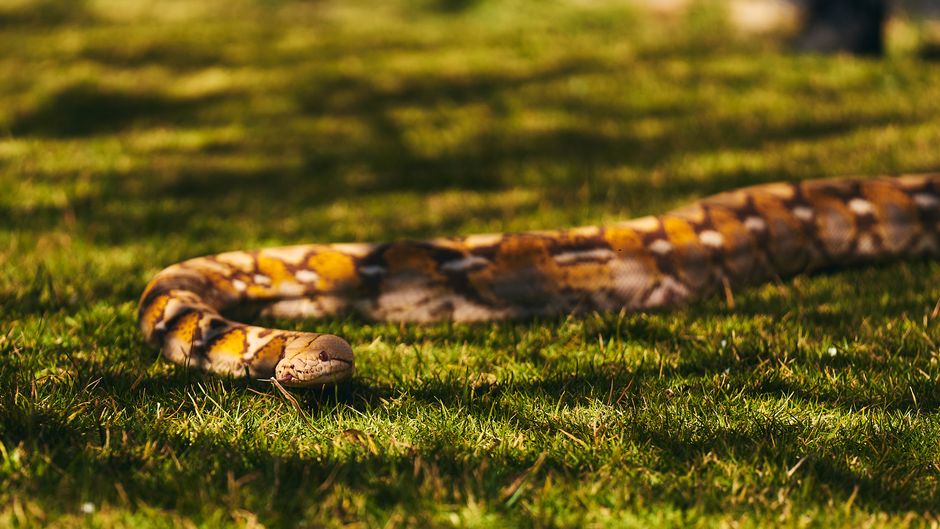
Burmese Pythons in Florida: What to Do If You Spot One
Discover why Burmese pythons cross Florida roads, how to handle a wild encounter safely, and what pet owners need to know.
 🦎Reptiles
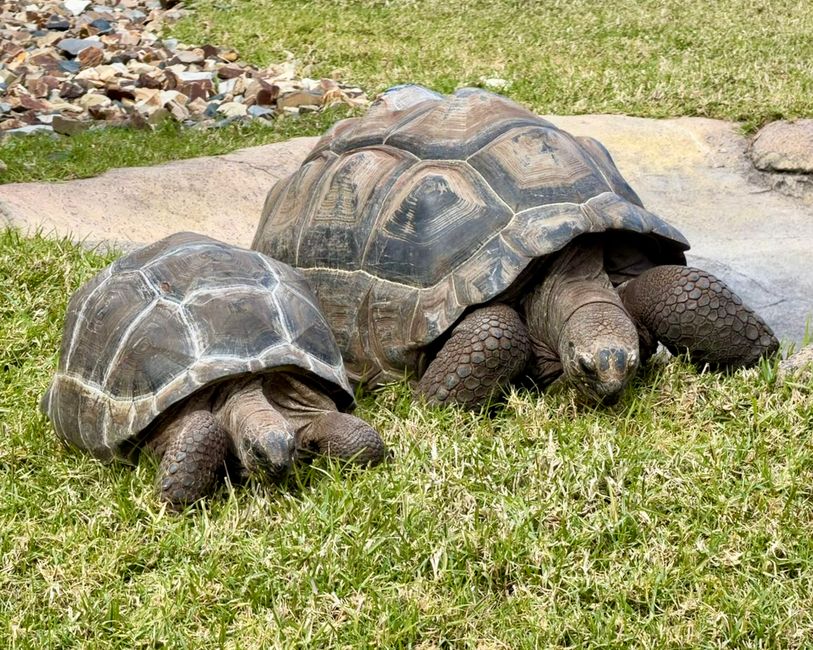
How Much Does a Tortoise Cost? Complete Budget Guide
Curious how much does a tortoise cost? Learn the real expenses of purchase prices, housing, lighting, food, and long-term veterinary care.
 🦎Reptiles
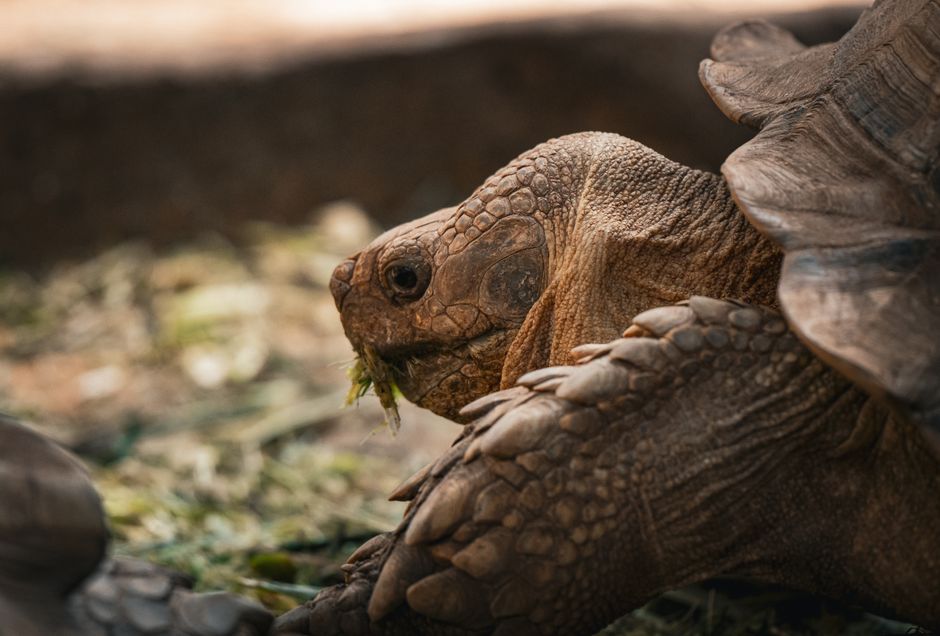
World's Oldest Land Animal: Jonathan's DNA Secrets
Discover the world's oldest land animal, Jonathan the giant tortoise, and how his resilient biology helps explain reptile longevity.