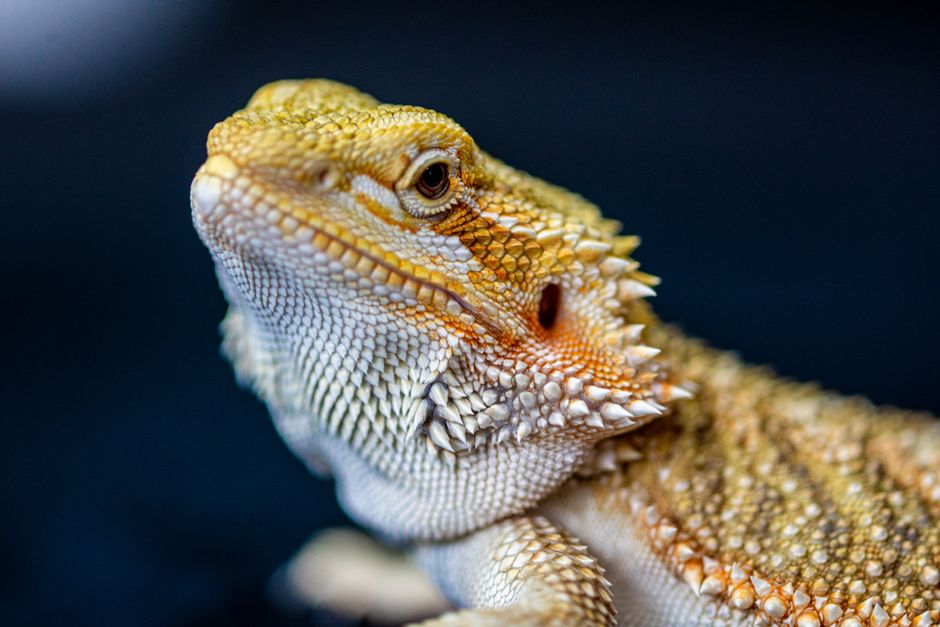
Bearded Dragon Brumation Signs: What to Look For
Have you noticed your favorite reptile moving slower or spending days inside a hide box? Recognizing key bearded dragon brumation signs helps you figure out if your pet is getting ready for a long winter nap or struggling with a health problem. This natural dormant state can feel scary for new reptile owners, but understanding what happens makes the whole process much easier.
What Are the Most Common Bearded Dragon Brumation Signs?
The most common bearded dragon brumation signs include heavy lethargy, loss of appetite, hiding in cool spots, and sleeping for days at a time. Your pet might stop basking under heat lamps and prefer sitting on the cooler side of the tank. These behavioral changes mimic winter survival instincts that wild lizards use when temperatures drop and natural food sources become scarce.
As your dragon enters this state, their metabolic rate drops sharply. They require far less energy to survive, which explains why they lose interest in live insects and fresh leafy greens. You may place a favorite worm in front of your lizard, only for them to turn their head away or ignore it completely.
Bowel movements also slow down or stop entirely during this phase. Because your pet is not eating active meals, their body produces little to no waste. It is essential that your dragon clears their digestive tract before sleeping deeply, as undigested food inside the stomach can cause severe infection.
Changes in Daily Behavior and Appetite
Your dragon's daily routine will shift noticeably as dormant instincts take over. You will see them spend less time on their basking branch and more time flattened out on the floor. Their eyes might look heavy, and they may refuse to leave their favorite cave even when habitat lights come on in the morning.
Refusing food is one of the clearest indicators that dormant season has arrived. Even dedicated eaters will ignore salad bowls and crawling insects. Do not panic when this happens, provided your lizard shows no other signs of illness.
Is Your Bearded Dragon Brumating or Sick?
You can tell if your dragon is brumating rather than sick by checking their weight, skin condition, and body posture. A brumating dragon maintains a healthy weight and stays alert when touched, while a sick dragon loses body mass quickly and shows obvious physical stress. Spotting true bearded dragon brumation signs relies on watching body mass closely on a digital scale.
Weight loss is the biggest distinction between a healthy sleeping lizard and a sick one. A sleeping dragon should not drop significant body mass during their rest. If your pet loses visible weight, has sunken eyes, or shows a dark black throat, something else is wrong.
Respiratory infections and parasite overloads can look a lot like natural seasonal sleep. Parasites often multiply when a reptile's immune system slows down. Researching full adult care requirements and bringing a fecal sample to an exotic-animal veterinarian before dormant season starts is the safest way to guard your pet's health.
Monitoring physical body condition is always crucial for captive reptiles. Just like checking skin health during shedding issues, like fixing stuck shed safely on a gecko, keeping a close eye on your dragon's body helps you catch problems early before they get worse.
How Long Does Bearded Dragon Brumation Last?
Bearded dragon brumation can last anywhere from a few weeks to several months depending on the individual lizard and household conditions. Some dragons sleep deeply for the entire period, while others wake up every few days to drink water or look around before going back to sleep.
Age plays a large role in how long and how deeply a lizard rests. Young dragons rarely go dormant because their bodies need continuous nutrients to grow. Adult dragons are far more likely to feel the urge to sleep when autumn arrives and indoor temperatures naturally shift.
Seasonal light shifts in your home often trigger this response even if you keep light timers identical year round. Barometric pressure changes and subtle room temperature drops signal to your lizard that winter is near. Every individual reptile responds differently, so your pet may rest for a single month while another dragon stays hidden until spring.
How Should You Care for a Brumating Bearded Dragon?
Caring for a brumating dragon requires keeping fresh water available, offering gentle hydration, keeping habitat lights on a consistent schedule, and avoiding forced feeding. You should leave your dragon undisturbed in their hide while doing routine weekly health checks.
To support your pet during this period, follow these core maintenance steps:
- Keep a clean shallow water bowl on the cool side of the habitat at all times.
- Weigh your reptile once a week on a digital scale to make sure body mass stays stable.
- Offer gentle drops of water on the snout if your vet recommends hydration support.
- Do not force feed insects or greens while your dragon is sleeping deeply.
- Maintain baseline enclosure lighting to keep the day and night cycle predictable.
Clean water remains essential throughout the entire process. Even though your pet sleeps most of the day, they might wake up briefly during warm afternoon hours to take a small drink. Having clean water nearby prevents dehydration.
Avoid turning off enclosure heating and lighting entirely. While you can shorten the daytime light cycle slightly to match winter daylight, completely removing heat source lamps will make the tank dangerously cold. Keep basking areas available in case your dragon decides to wake up and warm their body.
What Should You Do When Your Dragon Wakes Up?
When your bearded dragon begins waking up from brumation, slowly offer fresh water, warm basking temperatures, and small portions of easily digestible food. Their digestion takes time to reactivate after weeks of complete rest, so do not offer massive meals right away.
Start by letting your lizard bask under their primary heat bulb for a day or two. Warmth wakes up their gut and stimulates digestive enzymes. Once they spend several hours actively basking, offer fresh greens like collard greens or squash before introducing heavy staple insects.
Watch for their first post-rest bowel movement to confirm digestion is functioning properly. Once your lizard eats regularly, passes waste, and moves actively around the tank, you can resume your standard feeding and handling schedule.
Final Thoughts
Spotting these bearded dragon brumation signs gives you peace of mind during your pet's natural resting cycle. Always trust your instincts and contact an exotic vet if your dragon shows unusual weight loss or respiratory distress. Explore more RarePetCare guides to learn all about exotic pet keeping and practical reptile care.
Frequently Asked Questions
Can young bearded dragons undergo brumation?
Young dragons rarely go dormant during their first year of life because their bodies need continuous nutrients for growth. If a young dragon becomes lethargic, consult an exotic veterinarian immediately to rule out underlying health issues.
Should you turn off heat lights while a bearded dragon is brumating?
You should keep habitat lights on a normal daily timer, though you can slightly reduce total daylight hours. Turning off heat sources completely can cause the enclosure to get too cold and harm your pet's health.
Do bearded dragons poop during brumation?
Bearded dragons rarely pass waste while dormant because their metabolism slows down and they stop eating active meals. If food stays in their digestive tract when deep sleep begins, it can cause severe health complications.
How often should you handle a brumating bearded dragon?
Minimize handling to once a week for a quick physical check and weight check on a digital scale. Constant touching or moving disrupts their natural sleep state and creates unnecessary stress.
Explore More Reptiles Guides
 🦎Reptiles
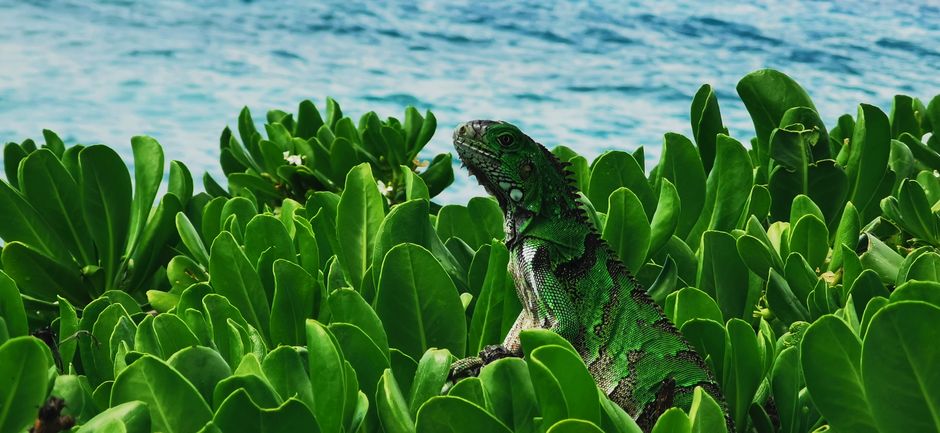
Marine Iguana: The Ocean-Feeding Lizard
Meet the marine iguana, the only lizard on Earth that dives into cold ocean waters to graze on underwater algae.
 🦎Reptiles
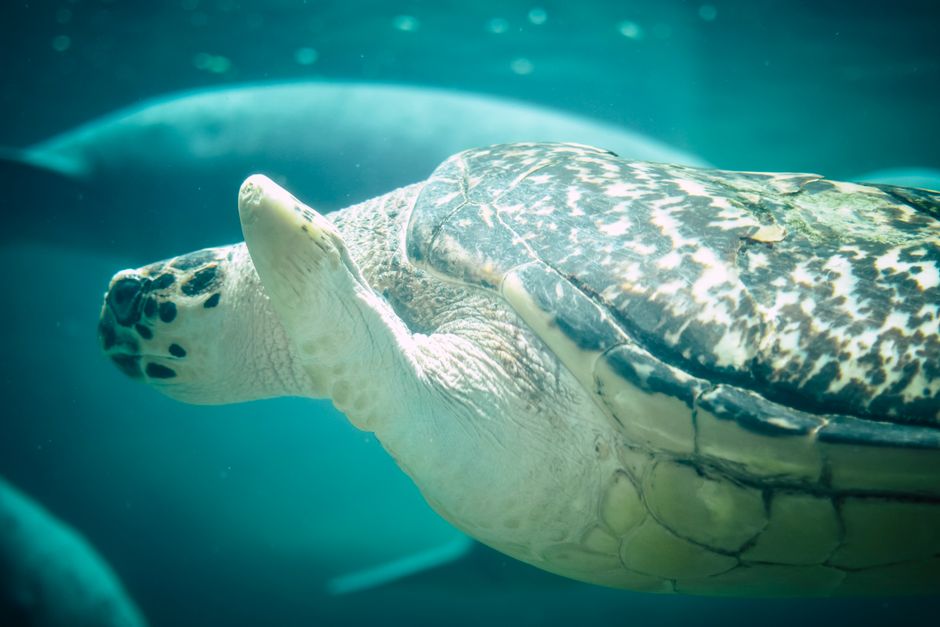
Hawksbill Sea Turtle Endangerment: What Happened
Learn the primary causes of hawksbill sea turtle endangerment, the history of the tortoiseshell trade, and how to protect them today.
 🦎Reptiles
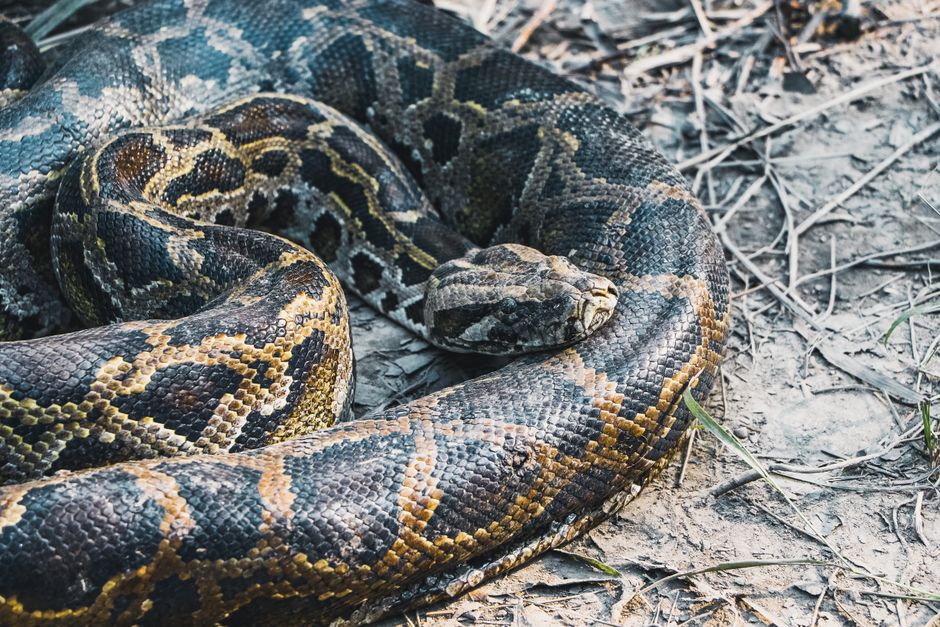
Longest Wild Snake Ever Found: A Record Python
A record-setting giant reticulated python discovered in Indonesia reveals how large wild snakes can grow in undisturbed rainforests.