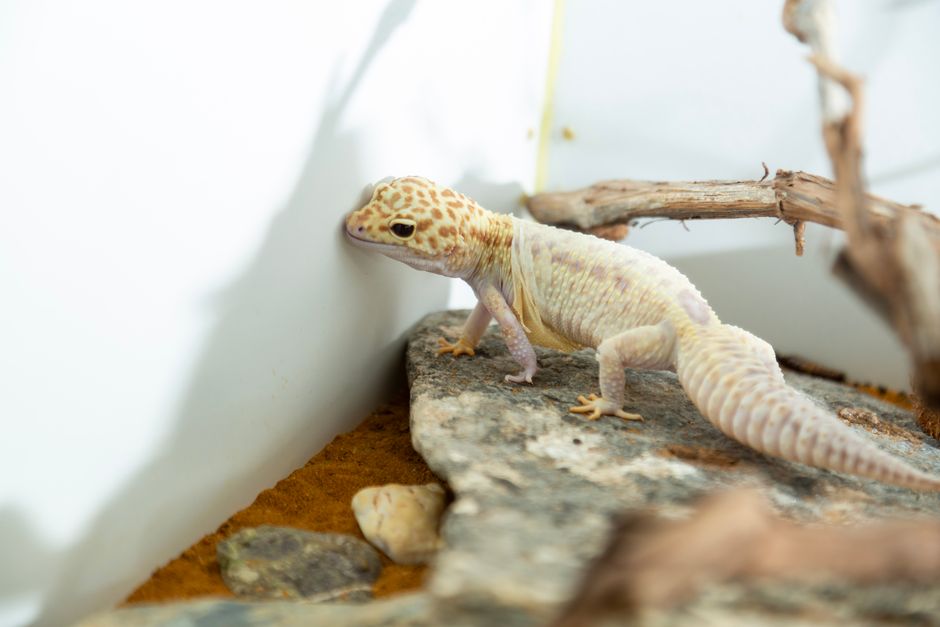
How to Fix Leopard Gecko Stuck Shed Safely
A shedding reptile should slough skin in complete layers, but sometimes old skin gets trapped. Dealing with leopard gecko stuck shed is a common challenge for pet parents, especially around sensitive areas like toes, tail tips, and eyes. When old skin remains clinging to your gecko, it can tighten over time and restrict blood circulation or lead to dangerous skin infections.
What Causes Leopard Gecko Stuck Shed?
Leopard gecko stuck shed is usually caused by inadequate enclosure humidity, improper nutrition, or underlying physical stress. In the wild, these desert dwelling lizards find moist microclimates under rocks and burrows when preparing to shed. If their captive enclosure lacks a moist hide or proper humidity balance, the old layer of skin dries out too fast and glues itself to the new skin underneath.
Incomplete shedding can also signal an underlying health problem or vitamin deficiency. Parasites, bacterial skin infections, or poor calcium absorbing habits make it difficult for a lizard to complete a normal shed cycle. If you notice persistent shedding troubles even with proper tank setup, consult an exotic-animal veterinarian for specific medical guidance.
How Do You Spot Leopard Gecko Stuck Shed Early?
You can spot stuck shed by looking for dull, greyish patches or flaky skin that fails to detach after a normal shedding cycle. Most healthy geckos finish peeling their skin within a few hours and usually eat their sloughed skin. If you notice dry patches lingering for more than twenty four hours, your pet needs assistance.
Keep a close eye on your reptile when you see their colors turn pale. Recognizing early warning signs helps you step in before trapped skin hardens and cuts off circulation. Learning about these care nuances is just as important as knowing about genetic health risks, such as why the lemon frost leopard gecko is linked to cancer.
Common Problem Areas for Stuck Skin
The tiny toes are the most vulnerable part of a lizard during shedding. Rings of dried skin contract as they dry out, acting like rubber bands tied around the digits. Left untreated, this restricts blood flow to the toes, causing them to turn dark, die, and eventually fall off. Inspect each foot closely after every single shed to confirm all toes are clean.
Other frequent trouble spots include the tip of the tail, the vent area, and the spectacle skin covering the eyes. Retained eye caps look like cloudy or dull lenses over the eye. They impair vision and cause severe irritation if left untreated. Never attempt to peel trapped skin away from the eyes yourself. Always seek help from an exotic vet if skin is stuck near the eyes.
How to Safely Remove Leopard Gecko Stuck Shed at Home
You can safely remove leopard gecko stuck shed by soaking your pet in a shallow warm bath or using a damp hide setup to soften the skin. Never pull dry, hard skin directly off your gecko. Pulling stuck skin prematurely can rip the delicate new skin underneath, causing severe pain and leaving raw wounds open to infection.
Patience is vital when managing shedding issues. Softening the skin with moisture allows it to slide off naturally without harming the lizard. If you are ever unsure about handling your gecko during this process, consult an exotic veterinarian for hands-on instruction.
Step-by-Step Warm Sauna Technique
Creating a gentle warm sauna is the safest home remedy to loosen stuck skin. Follow these simple steps to help your gecko without causing excess stress:
- Prepare a shallow plastic container with ventilated air holes and add lukewarm water that comes up no higher than your gecko's belly.
- Place a clean paper towel at the bottom of the container to give your reptile secure footing so they do not panic or slip.
- Place your gecko inside, secure the lid, and let them rest in this warm, humid environment for fifteen to twenty minutes.
- Remove your gecko and gently roll a damp cotton swab over the stuck skin using light, smooth pressure to roll the skin away.
- If the skin remains firmly attached, return your gecko to their tank and repeat the gentle soak the next day rather than forcing the skin off.
Always test the water temperature against the inside of your wrist before placing your reptile into the container. Water that feels comfortably warm to human hands can easily burn a small cold-blooded animal. Supervise your pet continuously throughout the entire soaking process.
How Can You Prevent Leopard Gecko Stuck Shed?
Preventing leopard gecko stuck shed relies on providing a warm moist hide and maintaining proper habitat husbandry year-round. A humid hide gives your reptile access to localized moisture whenever they prepare to shed. Place a container filled with damp sphagnum moss or moist paper towels on the warm side of their terrarium.
Proper hydration and diet are equally critical for clean shedding cycles. Make sure your lizard always has fresh drinking water in a shallow dish. Feed a balanced diet of gut-loaded insects dusted with essential calcium and vitamin supplements according to safe care guidelines.
- Add textured items like smooth slate rocks, clean branches, or cork bark so your gecko can rub against them to peel off loose skin independently.
- Check the substrate in the humid hide daily to ensure it stays moist, especially when your gecko turns dull or greyish white.
- Maintain a clean environment to prevent skin infections that disrupt normal shedding cycles.
- Research your pet's full adult habitat requirements and consult an exotic vet before bringing any new exotic reptile home.
Final Thoughts
Addressing leopard gecko stuck shed quickly and gently protects your pet from circulation loss, toe injuries, and skin infections. By keeping a moist hide in their enclosure, inspecting toes after sheds, and utilizing warm soaks when needed, you can support healthy skin renewals. Explore more of our RarePetCare guides to learn best practices for exotic pet health and habitat maintenance.
Frequently Asked Questions
Can stuck shed cut off blood flow to a leopard gecko's toes?
Yes, dry skin left on toes acts like a tiny tourniquet as it tightens. Over time, it cuts off blood circulation, causing the toe to turn dark and fall off.
How long should you leave a leopard gecko in a sauna for stuck shed?
Leave your gecko in a warm, shallow sauna container for fifteen to twenty minutes. Always supervise them closely to keep them safe and comfortable.
Should you pull off stuck shed from a gecko?
No, you should never yank or pull dry shed off a gecko. Pulling dry skin can tear the sensitive new skin beneath and lead to open wounds or skin infections.
Why is my gecko not using its humid hide?
Your gecko may avoid its humid hide if it is too cold, too hot, or positioned in an exposed location. Try moving the hide closer to the warm side of the enclosure and ensuring it feels secure.
Explore More Reptiles Guides
 🦎Reptiles
Marine Iguana: The Ocean-Feeding Lizard
Meet the marine iguana, the only lizard on Earth that dives into cold ocean waters to graze on underwater algae.
 🦎Reptiles
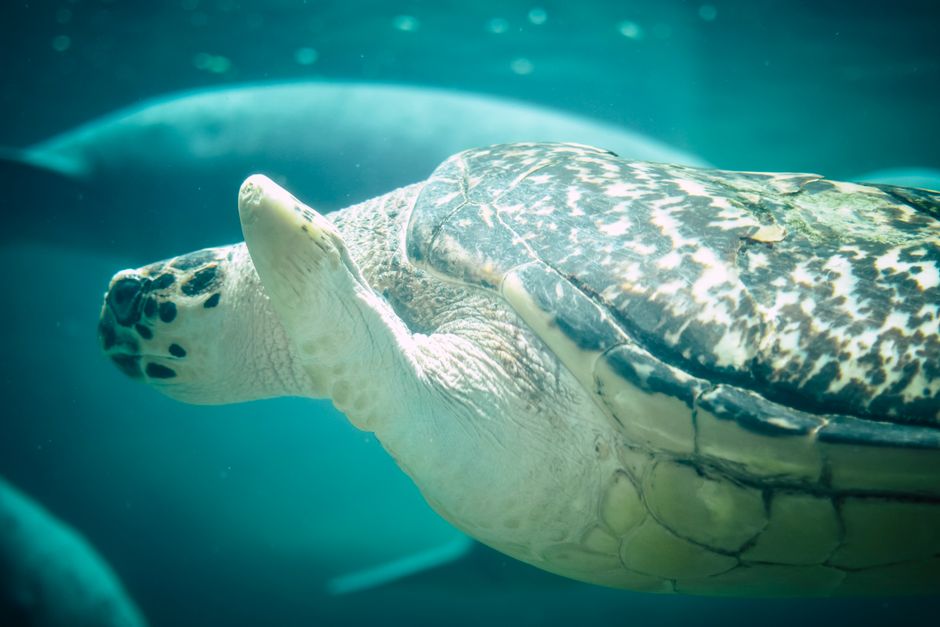
Hawksbill Sea Turtle Endangerment: What Happened
Learn the primary causes of hawksbill sea turtle endangerment, the history of the tortoiseshell trade, and how to protect them today.
 🦎Reptiles
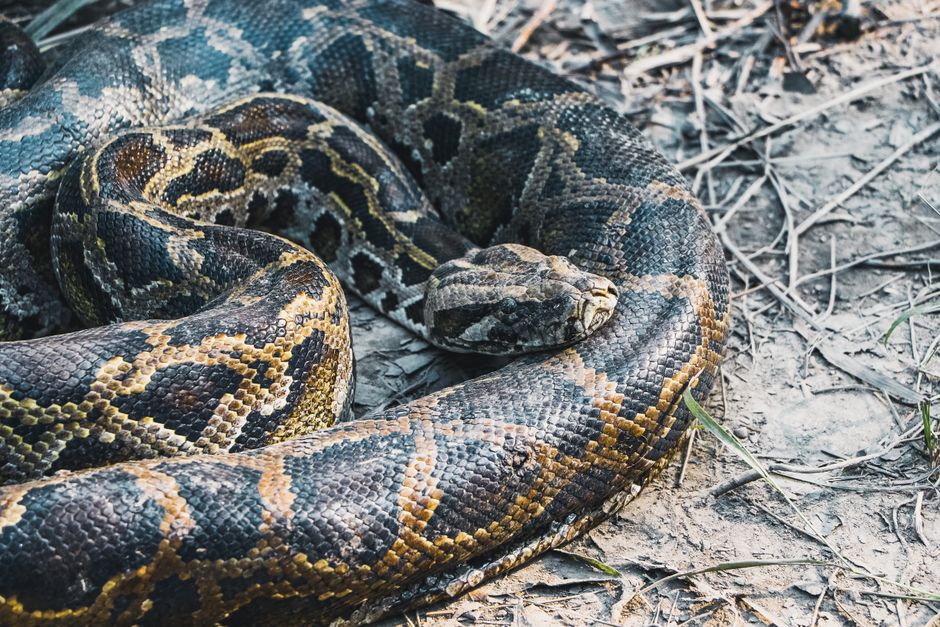
Longest Wild Snake Ever Found: A Record Python
A record-setting giant reticulated python discovered in Indonesia reveals how large wild snakes can grow in undisturbed rainforests.