Keeping Tortoises Outside: Safe Outdoor Care Guide
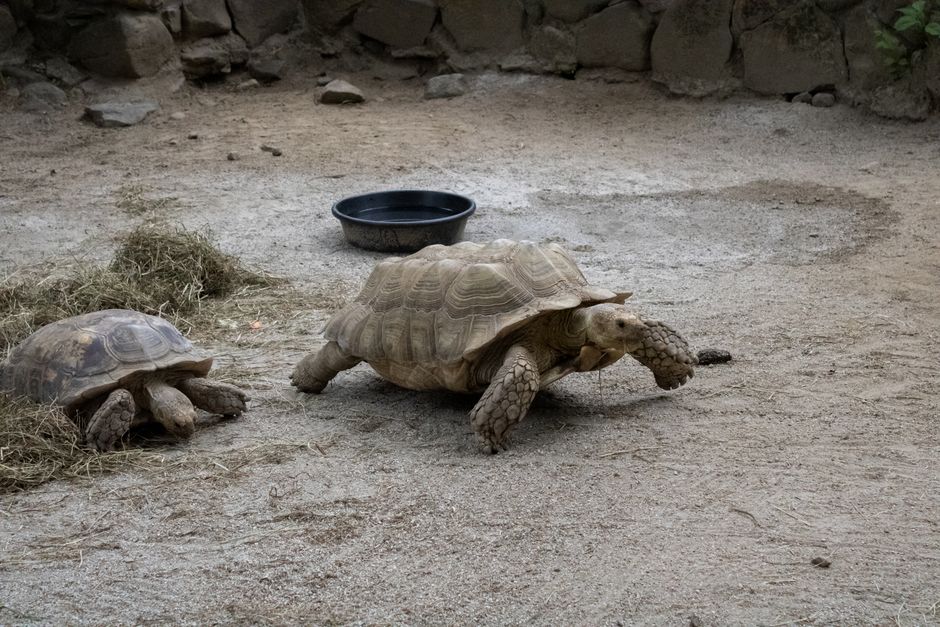
Giving your shelled companion access to the open yard is one of the best ways to support their long-term health. Keeping tortoises outside means setting up a secure, predator-proof perimeter that offers unfiltered natural sunlight, safe edible vegetation, sheltered retreat boxes, and room to forage. When designed thoughtfully, an outdoor pen provides essential UVB rays and exercise that indoor artificial enclosures struggle to match completely.
Many keepers find that their tortoises become much more active, alert, and eager to feed once they spend regular hours outdoors. Even a part-time outdoor pen can make a noticeable difference in shell development and daily vitality.
Why is keeping tortoises outside beneficial for their health?
Keeping tortoises outside provides unfiltered sunlight that allows your pet to synthesize vital vitamin D3 and absorb dietary calcium properly. Artificial basking bulbs degrade over time and emit a narrower spectrum than real sunshine, which makes natural rays the gold standard for preventing metabolic bone issues and pyramiding.
Outdoor pens also encourage continuous, low-impact exercise. In a grassy run, tortoises climb gentle mounds, navigate varied soil textures, and walk far greater distances than they ever could inside a room. This steady movement maintains muscle tone, stimulates gut motility, and aids natural digestion. Much like wild marine species such as the marine iguana that depend on the open sun to regulate body functions, terrestrial reptiles thrive when their environment mirrors the rhythms of the natural sky.
Mental enrichment is another major advantage. The gentle breezes, changing shadows, earth scents, and rain showers stimulate your tortoise's senses. Boredom or frantic glass-pacing behaviors common in small indoor tanks tend to vanish once an animal has soil to investigate and weeds to crop.
How should you build a secure outdoor tortoise pen?
You can build a secure outdoor tortoise pen by using sturdy, opaque perimeter walls that extend both above ground and below the soil line. Tortoises are surprisingly strong diggers and climbers, so your enclosure boundaries must stop them from burrowing out or pushing through weak corners.
Solid wooden boards, concrete blocks, or smooth landscape timbers make excellent wall materials. Avoid wire mesh or clear plastic at ground level because tortoises do not understand transparent barriers. When a tortoise can see the garden through a fence, it will spend hours pacing and ramming the barrier in an attempt to reach the other side. Solid walls keep their focus inside the enclosure and reduce stress.
Escape-proofing the perimeter walls
To keep your tortoise from digging underneath the barrier, bury your perimeter wall roughly six to twelve inches into the ground. If you have a larger or particularly persistent digging species, line the bottom edge with buried wire mesh or horizontal paving slabs covered by fresh topsoil. Always ensure the above-ground walls are at least twice as tall as your tortoise's total length. Tortoises can wedge themselves into corners and chimney climb right over short borders, so installing small triangular overhangs on internal corners adds an extra layer of security.
Protecting against local predators
Every outdoor enclosure needs reliable overhead protection to guard against foxes, dogs, neighborhood cats, raccoons, and birds of prey. Construct a rigid wooden frame fitted with heavy-gauge galvanized hardware cloth that latches firmly onto the top of the pen. Do not use flimsy chicken wire, as determined raccoons and dogs can tear through it easily. Secure latches and padlock clips help ensure that curious neighborhood children or hungry wild visitors cannot lift the lid while you are away from the garden.
What plants and shelters belong in an outdoor enclosure?
An outdoor tortoise setup should include edible, non-toxic plants, native weeds, flat basking stones, and a waterproof hide filled with dry substrate. Planting the enclosure creates microclimates that let your tortoise choose between cool damp shade and warm direct sun throughout the day.
Dandelions, plantain, clover, sow thistle, and safe grasses provide continuous grazing that mimics a natural wild diet. You can also plant low shrubs like lavender, rosemary, or hibiscus to create natural canopy shade and windbreaks. Make sure the enclosure is completely free from toxic ornamentals, chemical fertilizers, weedkillers, and snail pellets before introducing your pet. If you are ever unsure whether a wild plant in your yard is safe, consult an exotic-animal veterinarian for specific guidance before allowing your tortoise to browse.
Your shelter box must stay completely dry during sudden downpours. Position a wooden hutch or insulated dog house on slightly raised ground so pooling rainwater cannot seep inside. Fill this shelter with clean straw, dry bermuda hay, or organic soil where your tortoise can bury itself to sleep. Always provide a shallow, heavy water dish with low sides that your tortoise can step into without tipping over. Keeping fresh water available prevents dehydration during warm afternoons.
- Bury sturdy walls deep into the ground to block escape attempts.
- Cover the enclosure with a locked hardware-cloth lid to deter predators.
- Provide both sunny open patches and deeply shaded bushes for thermoregulation.
- Add a flat slate stone for feeding to help keep beaks naturally trimmed.
- Check the enclosure perimeter daily for burrowing holes, loose latches, or toxic weeds.
How do you handle weather and seasonal temperature changes?
You should handle weather changes by monitoring outdoor temperatures closely and bringing your tortoise inside whenever conditions fall outside their species comfort range. While outdoor living offers wonderful benefits, tortoises are cold-blooded animals that rely entirely on environmental heat to digest meals and stay active.
During hot summer waves, excessive heat presents a real danger. Ensure your tortoise has deep shade, moist burrows, and clean water at all times. On days with scorching mid-day heat, tortoises naturally retreat underground or under thick brush to stay cool. If your enclosure lacks deep shade, move your pet indoors to prevent heat stress and fatal dehydration.
Rainy spring and autumn days require careful thought as well. Cool, wet conditions can quickly cause respiratory infections in species adapted to dry Mediterranean or arid climates. If overnight temperatures dip low or heavy rains waterlog the soil, move your tortoise into an indoor pen equipped with dedicated heating. As a responsible pet parent, always research your specific species' adult temperature tolerances so you know exactly when garden access is safe and when indoor care is mandatory.
Final Thoughts
Successfully keeping tortoises outside comes down to smart perimeter building, predator defense, and paying close attention to seasonal weather shifts. Watching your tortoise graze on wild dandelions and bask under direct morning sunlight is one of the most rewarding parts of reptile keeping. Take time to explore more RarePetCare guides to learn best practices for exotic pet housing, feeding, and enrichment.
Frequently Asked Questions
Can a tortoise live outside all year long?
A tortoise can only live outside year-round if your local climate matches its native range and you provide an insulated, heated night shelter. In regions with freezing winters or prolonged wet seasons, tortoises must move indoors or into controlled hibernation setups.
What do I do if it rains while my tortoise is outside?
A light summer shower is usually harmless and enjoyable for tortoises, provided the pen does not flood. If the rain is heavy, chilly, or creates deep puddles, move your tortoise into a dry indoor enclosure to prevent respiratory illness.
How high should outdoor tortoise enclosure walls be?
Outdoor walls should stand at least twice as tall as your tortoise's shell length to prevent them from climbing out. Adding interior corner caps provides extra security against skilled climbers.
Can dogs and tortoises share the garden safely?
Dogs and tortoises should never share an open yard unsupervised, as dog bites are one of the most common causes of fatal shell injuries. Always keep your tortoise inside a securely covered, locked pen whenever domestic pets have yard access.
Explore More Reptiles Guides
 🦎Reptiles
How to Sex a Snake: Safe Methods for Keepers
Learn how to sex a snake accurately and safely using visual checks, popping, and professional probing techniques.
 🦎Reptiles
Marine Iguana: The Ocean-Feeding Lizard
Meet the marine iguana, the only lizard on Earth that dives into cold ocean waters to graze on underwater algae.
 🦎Reptiles
Hawksbill Sea Turtle Endangerment: What Happened
Learn the primary causes of hawksbill sea turtle endangerment, the history of the tortoiseshell trade, and how to protect them today.