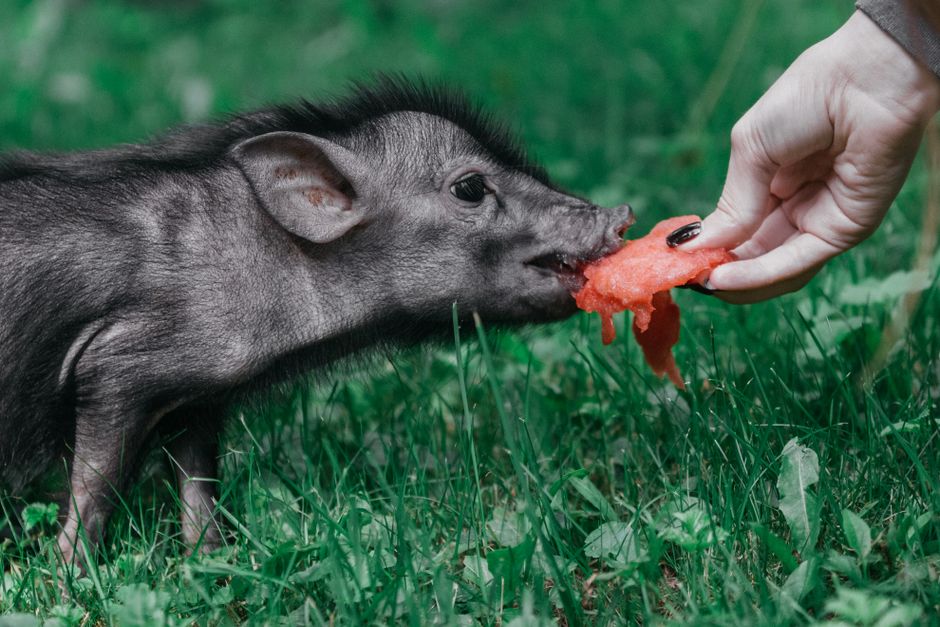
Can Cockatiels Eat Watermelon? Safe Feeding Guide
Yes, cockatiels can safely eat watermelon in moderation as an occasional treat. Watermelon is rich in moisture, vitamins, and natural sweetness that birds enjoy, but it should only make up a tiny part of your pet bird's balanced diet. Offering a small, bite-sized cube once or twice a week keeps it safe and healthy.
Sharing fresh treats with your feathered friend is one of the joys of bird ownership. When summer rolls around, pet parents often wonder if juicy melons are safe for their cockatiel. Fresh produce adds sensory enrichment and hydration, but understanding nutritional balance is essential before putting fresh fruit in the cage.
Can Cockatiels Eat Watermelon Safely?
Cockatiels can eat watermelon safely as long as it is served fresh, thoroughly washed, and offered in strictly controlled portions. The sweet pink flesh provides vitamins A and C, but its high water content means it offers little protein or essential minerals. Because watermelon is roughly 91 percent water, feeding too much can quickly lead to loose droppings.
Cockatiels have delicate digestive systems that thrive on consistency. High-quality pellets, sensible seed mixes, and dark leafy greens should always form the foundation of their daily meals. When you introduce watermelon, treat it as a fun reward rather than a staple food. A small nibble gives your bird a burst of flavor without upsetting their stomach.
Another factor to keep in mind is the mineral balance of the fruit. Watermelon contains more phosphorus than calcium. Parrots require a healthy calcium to phosphorus ratio to maintain strong bones and healthy feathers. If your bird is going through heavy feather regrowth, you can read our guide on parrot molting timeline and care to learn how extra nutrients support their physical health during high-demand seasons.
Nutritional Benefits and Drawbacks for Cockatiels
Watermelon provides cockatiels with beneficial antioxidants, natural hydration, and beta-carotene, but it also carries drawbacks like high natural sugars and poor mineral density. It acts as a light refresher rather than a nutrient-dense meal, making strict moderation necessary.
The high moisture level is great on warm summer afternoons. Birds that are reluctant drinkers sometimes enjoy getting extra fluids from juicy produce. The bright red color also catches their eye, encouraging natural foraging curiosity. Cockatiels love exploring new textures, and the soft flesh gives them an easy fruit to break apart with their beaks.
The Risk of Too Much Sugar and Water
Feeding large slices of watermelon can cause digestive upsets in small birds. Excess water intake often causes polyuria, which is an increase in urine output that looks like watery droppings. While this is not the same as true bacterial diarrhea, it can still distress a bird if it happens frequently.
The natural fructose in sweet fruits can also contribute to weight gain if offered too freely. Captive cockatiels do not burn as many calories as wild flocks. Keep portions tiny to prevent excess sugar from displacing the nutritious pellets and vegetables your bird needs every day.
Can Cockatiels Eat Watermelon Seeds and Rind?
Cockatiels can safely eat black watermelon seeds in moderation, but the outer green rind should generally be avoided unless it is thoroughly washed organic produce. While melon seeds are non-toxic, the tough rind can harbor pesticide residues and is often too tough for a small beak to digest comfortably.
Unlike apple or cherry seeds, which contain trace cyanogenic compounds, watermelon seeds are safe for parrots. In fact, wild cockatiels are natural granivores that love cracking open seeds of all sizes. However, standard black seeds can be slippery and hard for a petite cockatiel to grip. You can crush the seeds slightly with the back of a spoon to make them easier for your bird to sample.
- Watermelon seeds contain healthy fats and minerals that provide enrichment.
- Avoid feeding large quantities of seeds at once because high fat intake can strain a cockatiel's liver over time.
- White seeds are soft, immature seeds that are completely harmless and easy for birds to chew.
- If you offer a small piece of the pale green inner rind, ensure the outer skin is scrubbed free of chemical sprays and waxes.
How to Prepare and Serve Watermelon to a Cockatiel
To serve watermelon to your cockatiel, cut a fresh piece of pink melon into a single half-inch cube and place it into a clean treat dish. Always wash the outer skin before slicing so your knife does not transfer bacteria into the edible flesh.
Never leave fresh watermelon in your bird's enclosure for long periods. Wet, sugary fruits attract fruit flies and begin growing mold and harmful bacteria quickly at room temperature. Follow the strict two-hour serving rule to keep your bird safe from foodborne illness.
- Cut a single bite-sized chunk measuring no larger than your bird's foot.
- Serve the fruit in a separate ceramic or stainless steel dish away from the main dry food bowl.
- Remove any uneaten fruit from the cage within two hours of serving.
- Wipe down cage bars and perches if your bird flings juicy fruit bits around the habitat.
Always practice good bird welfare by keeping their habitat clean and consulting an exotic-animal veterinarian if your pet shows any sudden changes in energy, appetite, or droppings. Monitoring daily behaviors is key to early care, and learning how parrots warn you of danger can help you stay attuned to their subtle body language cues.
Final Thoughts
Knowing whether cockatiels can eat watermelon gives you another fun, hydrating treat option to brighten your bird's weekly routine. Keep servings small, stick strictly to the two-hour rule, and pair treats with a solid base of pellets and fresh vegetables. Explore our other RarePetCare guides to learn more about safe nutrition, gentle handling, and daily bird wellness.
Frequently Asked Questions
How often can a cockatiel eat watermelon?
You can offer watermelon once or twice a week as an occasional treat in tiny portions.
Will watermelon change the color of my bird's droppings?
Yes, watermelon can temporarily make your cockatiel's droppings watery and slightly reddish due to the high moisture and natural pigments.
Can baby cockatiels eat watermelon?
Weaned young cockatiels can have a tiny nibble, but unweaned chicks should only consume specialized hand-rearing formula.
What happens if a cockatiel eats watermelon left out all day?
Watermelon spoils rapidly at room temperature, putting your bird at risk of bacterial infections and crop irritation if left out over two hours.
Explore More Birds Guides
 🦜Birds
Why Is My Budgie Puffed Up? Causes and Next Steps
Discover why budgies puff up their feathers, how to tell relaxed behavior from illness, and what to do if your bird feels unwell.
 🦜Birds
Bird Flu Backyard Feeders: Is It Safe to Feed Birds?
Feeding wild birds brings nature close, but bird flu risks at backyard stations mean pet parents must take precautions.
 🦜Birds
Wild Parrots of San Francisco: Rescue and Urban Life
A wild red-masked parakeet was freed by firefighters in San Francisco, showing the unique challenges feral parrot flocks face in the city.