Parrot Molting: Timeline, Signs, and When to Worry
Understanding Parrot Molting and What to Expect
Parrot molting is the natural biological process where a bird sheds old, worn feathers to grow fresh, healthy plumage in their place. This cycle keeps flight feathers strong, restores vibrant colors, and protects skin from injury and temperature shifts. For most companion birds, this gradual renewal happens once or twice each year, keeping them fully feathered throughout the transition.
Finding a sudden pile of feathers at the bottom of the cage can startle any pet parent. You might wonder if your bird is sick, stressed, or losing plumage too fast. Understanding how this cycle works helps you keep your bird comfortable and spot potential health issues early.
How Long Does Parrot Molting Take?
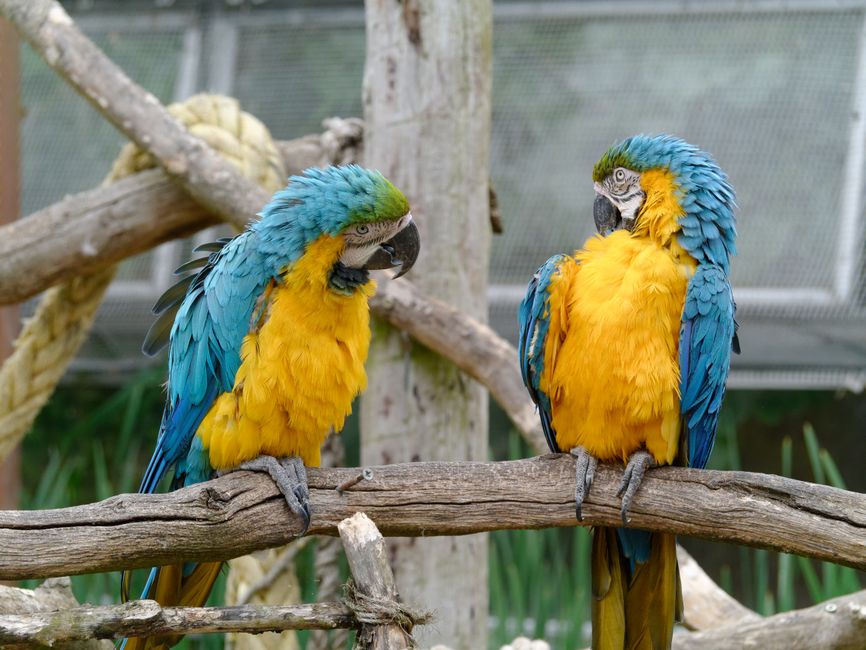
Parrot molting typically takes anywhere from a few weeks to several months depending entirely on the size of your bird. Small species like budgies and cockatiels often finish shedding within several weeks, while large species such as macaws and cockatoos can take many months to complete a full feather renewal cycle.
The reason for this time difference comes down to simple physics and energy demands. Larger feathers require more blood supply, protein, and time to develop fully inside the follicle. If a giant bird dropped all its primary flight feathers at once, it would lose the ability to glide, steer, and maintain balance. Nature spaces out the process so large birds always keep enough plumage to function.
Why Big Birds Molt at a Slower Pace
Larger birds produce substantial flight feathers that take measurable weeks just to grow from base to tip. Because growing these massive quills drains heavy metabolic energy, big parrots shed only a couple of matching flight feathers at a time. This staggered schedule keeps them safe in the wild and explains why your large bird may seem to stay in a continuous, slow molt.
Molting vs Plucking: How to Tell the Difference
The easiest way to tell molting from plucking is to inspect the base of the dropped feather and check your bird for bald spots. A naturally molted feather has a clean, dry, hollow shaft tip where it separated cleanly from the follicle, while a plucked feather often shows damage, bent quills, or a bloody, torn base.
Shedding patterns give you another major clue about what is happening with your pet. Natural parrot molting happens symmetrically across both sides of the body, meaning a left wing primary feather usually drops alongside its right wing match. Feather plucking, on the other hand, creates uneven bare patches, especially on reachable areas like the chest, shoulders, and inner thighs.
- Inspect the shaft base: clean and dry means natural molt, while bloody or crushed points to plucking.
- Check symmetry: even loss on both wings is normal shedding, while localized bare spots suggest behavioral plucking.
- Look at the head: pin feathers on the head and neck mean molting, because a bird cannot physically reach to pluck its own head.
If you notice bare patches where no new quills are emerging, consult an exotic-animal veterinarian for specific guidance. Plucking can stem from skin infections, heavy stress, poor diet, or boredom, and it requires careful medical and behavioral support to resolve.
Common Signs of Molting in Parrots
The most visible sign of parrot molting is the emergence of spiky, white-sheathed pin feathers across the head, neck, and wings. During this period, you will also notice increased dander, frequent preening, mild itchiness, and brief shifts in your bird's daily mood or vocal habits.
Growing hundreds of new feathers takes real physical effort. Your pet might seem a bit more tired than usual and take longer afternoon naps. As the feather sheaths dry out, they create white flakes that look like heavy dandruff on perches and cage liners. Understanding these physical shifts helps you understand their body language, much like learning how do parrots talk helps you understand their vocal expressions.
You might also notice subtle changes in your bird's alert habits. While some species show sharp awareness when sensing danger, as explored in our guide on whether can parrots warn you of danger, a heavily molting bird often turns its focus inward, preferring quiet rest over active guard behavior.
How to Help Your Molting Parrot Stay Comfortable
You can help your molting parrot by offering warm water mists, increasing dietary protein, and handling tender pin feathers with extreme care. Daily baths soften rigid keratin sheaths, making it much easier for your bird to preen away the outer casing without pain.
Nutrition plays a critical role during the molt because feathers are composed almost entirely of keratin protein. Always research a species' full adult dietary needs before altering their daily meals, and offer safe, vet-approved protein sources like cooked eggs or sprouted seeds alongside their regular balanced diet. Never force petting on head areas covered in dark, blood-filled quills, as these active blood feathers contain live nerve endings and can hurt when touched.
- Provide daily shallow warm baths or gentle spray mists to soothe dry, itchy skin.
- Ensure 10 to 12 hours of quiet, dark sleep every night to support cellular repair.
- Gently roll dry, translucent head sheaths between your fingertips only if your bird invites head scratches.
- Avoid touching dark blue or purple pin feathers, which are still actively filling with blood.
When to Worry About Parrot Molting
You should worry about parrot molting and call an avian vet if you see active bleeding from a broken pin feather, completely bald patches that never grow back, or extreme lethargy. Healthy molting never leaves raw, exposed skin or causes sudden weight loss.
A broken blood feather is an urgent situation because the shaft acts like a hollow straw connected directly to a blood vessel. If a growing quill snaps, you must apply gentle pressure and styptic powder or cornstarch to stop the flow, then seek veterinary help if bleeding continues. Regular wellness checks with an exotic bird vet ensure that underlying nutrient deficiencies or hormone imbalances do not interfere with healthy plumage growth.
Final Thoughts
Navigating parrot molting becomes simple once you recognize the regular rhythm of feather growth and know how to keep your pet comfortable. Providing warm baths, balanced nutrition, and gentle care makes this seasonal shift easy on your companion. Explore more RarePetCare guides to learn practical tips for keeping your exotic birds happy, healthy, and thriving.
Frequently Asked Questions
How often do companion parrots molt each year?
Most companion parrots go through one to two molt cycles per year, usually triggered by seasonal shifts in daylight and ambient temperature.
Are parrots in pain while growing pin feathers?
Pin feathers are not painful on their own, but active blood feathers are very tender and sensitive to touch until the blood recedes and the keratin sheath dries out.
Can a bad diet cause poor feather growth during a molt?
Yes, an inadequate diet lacking essential amino acids, vitamins, and minerals can cause dull, brittle, or discolored feathers and slow down the entire molting process.
What should I do if a new pin feather starts bleeding?
Apply cornstarch or styptic powder with gentle, steady pressure to stop the blood flow immediately, and contact an avian veterinarian if the bleeding does not halt.
Explore More Birds Guides
 🦜Birds
Bird Flu Backyard Feeders: Is It Safe to Feed Birds?
Feeding wild birds brings nature close, but bird flu risks at backyard stations mean pet parents must take precautions.
 🦜Birds
Wild Parrots of San Francisco: Rescue and Urban Life
A wild red-masked parakeet was freed by firefighters in San Francisco, showing the unique challenges feral parrot flocks face in the city.
 🦜Birds
How to Bond with a Bird: Safe Steps for Pet Parents
Learn how to bond with a bird using gentle body language, predictable routines, and positive reinforcement to build lifelong trust.