Can Parrots Eat Cat Food? Risks and Safety Guide
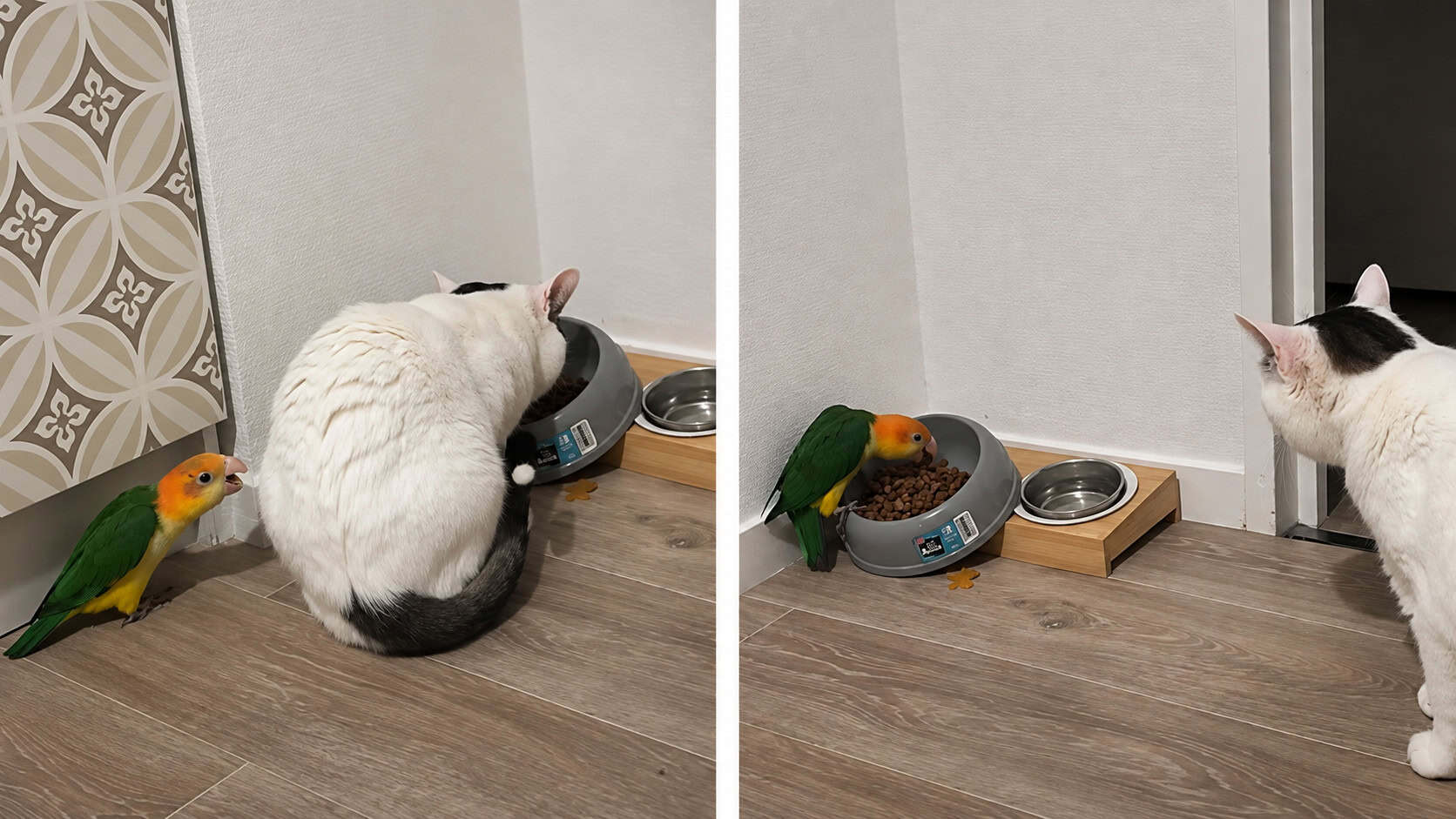
A bold parrot marching up to a cat bowl looks hilarious on video, but it brings up an urgent dietary question for pet owners. Many curious bird parents wonder: can parrots eat cat food if they steal a bite from the bowl? No, parrots should never eat cat food because feline diets are far too high in animal protein, sodium, and fat for avian digestive systems. While a single stolen piece of kibble might not cause sudden disaster, regular snacking can destroy a bird's organs.
Parrots are naturally opportunistic foragers. When they see another pet eating crunchy pellets, their natural curiosity drives them to investigate. Unfortunately, what fuels a carnivorous cat can slowly poison a herbivorous or omnivorous companion bird. Keeping your feathered friend away from the cat dish protects both their short-term safety and long-term health.
Can Parrots Eat Cat Food Safely?
Parrots cannot eat cat food safely under any circumstances. Cat food is formulated exclusively for obligate carnivores that require dense meat proteins and high fat levels, which bird kidneys and livers cannot break down properly. Even dry kibble designed for indoor cats carries severe risks of toxicity and digestive blockage for pet birds.
When a parrot eating cat food becomes a habit, the internal consequences build up quickly. Feline food contains concentrated levels of vitamin D3 and phosphorus intended to support mammal bones and muscles. In parrots, this concentration often triggers soft tissue calcification and severe gout. The dense animal fats also stress the avian liver, leading straight toward hepatic lipidosis.
Beyond the nutritional mismatch, dry kibble is physically dangerous for small beaks. Many varieties are formulated to expand when wet, which can lodge in a parrot's crop or esophagus. If your bird steals a single crumb, do not panic, but do not treat it as a harmless quirk. You should monitor your bird for droopiness or digestive changes and consult an exotic-animal veterinarian for specific guidance whenever your pet swallows non-avian pet food.
Nutritional Dangers of Cat Food for Birds
The primary nutritional danger of cat food for birds stems from massive protein levels and excessive minerals that overload avian organs. Commercial cat diets rely on concentrated meat meals, rendered fats, and heavy doses of added sodium that a bird's body cannot process safely.
Excess Protein and Kidney Strain
Cats need high levels of crude protein to survive, but most companion parrots thrive on grain, seed, pellet, and produce diets with modest protein percentages. When a bird consumes heavy animal protein, its metabolism produces excess uric acid. This waste product crystallizes in joints and internal organs, causing an extremely painful condition called articular or visceral gout. Once kidney damage begins in a parrot, reversing it is exceptionally difficult.
Fat and Vitamin Overload
Feline foods carry high fat percentages to fuel predatory mammals. Parrots that ingest excessive dietary fat quickly develop fatty liver disease, which shortens their lifespan and ruins feather quality. Furthermore, cat diets are fortified with synthetic vitamins tailored for felines. Massive doses of vitamin A and D3 from cat kibble can cause chronic hypervitaminosis in birds, hardening their blood vessels and damaging delicate air sacs.
The Hidden Risks of Feeding Near Cats
Allowing your bird to steal food directly from a feline dish exposes your parrot to deadly predatory bacteria and fatal stress. A cat might back down from a feisty parrot one afternoon, but that tolerance can turn into a deadly swipe in a split second.
Even friendly household pets have wild instincts that trigger without warning. Much like understanding vocal signals when asking why a guinea pig squeaks to communicate boundaries, pet parents must learn to read feline stress cues. A cat crouching or backing away from a bowl is often calculating its next strike rather than politely submitting.
Bacteria in Cat Saliva
The biggest invisible threat around cat food bowls is a bacterium called Pasteurella multocida. This microorganism naturally lives in feline mouths, claws, and saliva. If a cat licks its food or grooms its paws, the bacteria coats the kibble and bowl surface. If a parrot touches that surface with its beak or tongue, the bacteria can enter its bloodstream and cause fatal septicemia within twenty-four to forty-eight hours.
Responsible bird care requires creating strict boundaries between species. Always research every companion animal's natural behavioral limits before allowing free roaming in the house. Never assume that a calm feline will tolerate food theft permanently.
How to Keep Your Parrot Away from Cat Food Bowls
The easiest way to keep your parrot away from cat food is to feed your pets in completely separate rooms with physical barriers. Preventing access eliminates both the medical risks of eating meat kibble and the physical danger of an aggressive cat reaction.
You can manage mealtime easily by setting up simple household rules:
- Feed your cat inside a separate, closed room during bird out-of-cage play sessions.
- Pick up leftover cat food immediately after the cat finishes eating instead of free-feeding throughout the day.
- Use an elevated cat feeding station or a microchip-activated feeder that opens only for the cat's collar tag.
- Keep your parrot occupied inside their play gym with safe foraging toys and fresh leafy greens while cats eat.
Consistency is key to breaking the habit. If your parrot learns that the cat dish is permanently gone during out-of-cage time, they will quickly shift their attention back to their own toys.
Safe Crunchy Treats Your Parrot Will Love
Parrots love the satisfying crunch of cat kibble, but you can easily redirect that natural foraging instinct toward healthy, species-appropriate treats. Offering safe alternatives satisfies their craving for texture without harming their kidneys.
Try offering these bird-safe crunchy snacks whenever your parrot looks for mischief:
- High-quality formulated avian pellets soaked briefly in warm water or served dry for maximum crunch.
- Dehydrated vegetable chips made purely from sweet potato, carrot, or zucchini with zero added salt.
- Raw pumpkin seeds or unsalted hemp hearts used sparingly during direct training sessions.
- Air-popped popcorn prepared completely plain without butter, cooking oils, or added salt.
- Crisp fresh vegetables like celery ribs, bell pepper strips, and broccoli florets.
Always introduce new foods gradually. Serving a colorful variety of crunchy vegetables keeps your bird entertained and builds vibrant plumage.
Final Thoughts
When pet owners ask can parrots eat cat food, the answer remains a firm no. Even though birds love the salty crunch and the thrill of stealing dinner, feline kibble causes irreversible organ damage and exposes birds to deadly bacterial risks. Set up separate feeding zones today to keep every member of your multi-pet home safe, happy, and thriving. Explore our other RarePetCare guides to learn more about bird behavior, species nutrition, and multi-pet safety.
Frequently Asked Questions
What should I do if my parrot eats a single piece of cat kibble?
A single piece of kibble is unlikely to cause lasting harm, so remove the food immediately and ensure your bird has plenty of fresh water. Watch for vomiting, lethargy, or loose droppings over the next twenty-four hours and call your avian vet if you notice changes.
Can parrots eat canned wet cat food?
No, wet cat food is entirely unsafe for parrots because it is loaded with animal tissue, heavy fats, and high sodium. It also spoils quickly and can introduce dangerous bacterial colonies to your bird's digestive tract.
Why do parrots try to steal food from cats?
Parrots are curious social foragers that view eating as a flock activity, meaning they naturally want whatever another household animal is enjoying. They are also drawn to the crunchy texture, strong aroma, and salty profile of commercial kibble.
Is dog food just as bad for parrots as cat food?
Yes, dog food carries the same severe risks of excess protein, fat, and sodium that stress a parrot's kidneys and liver. Dry dog kibble can also cause crop impaction and should never be fed to birds.
Explore More Birds Guides
 🦜Birds
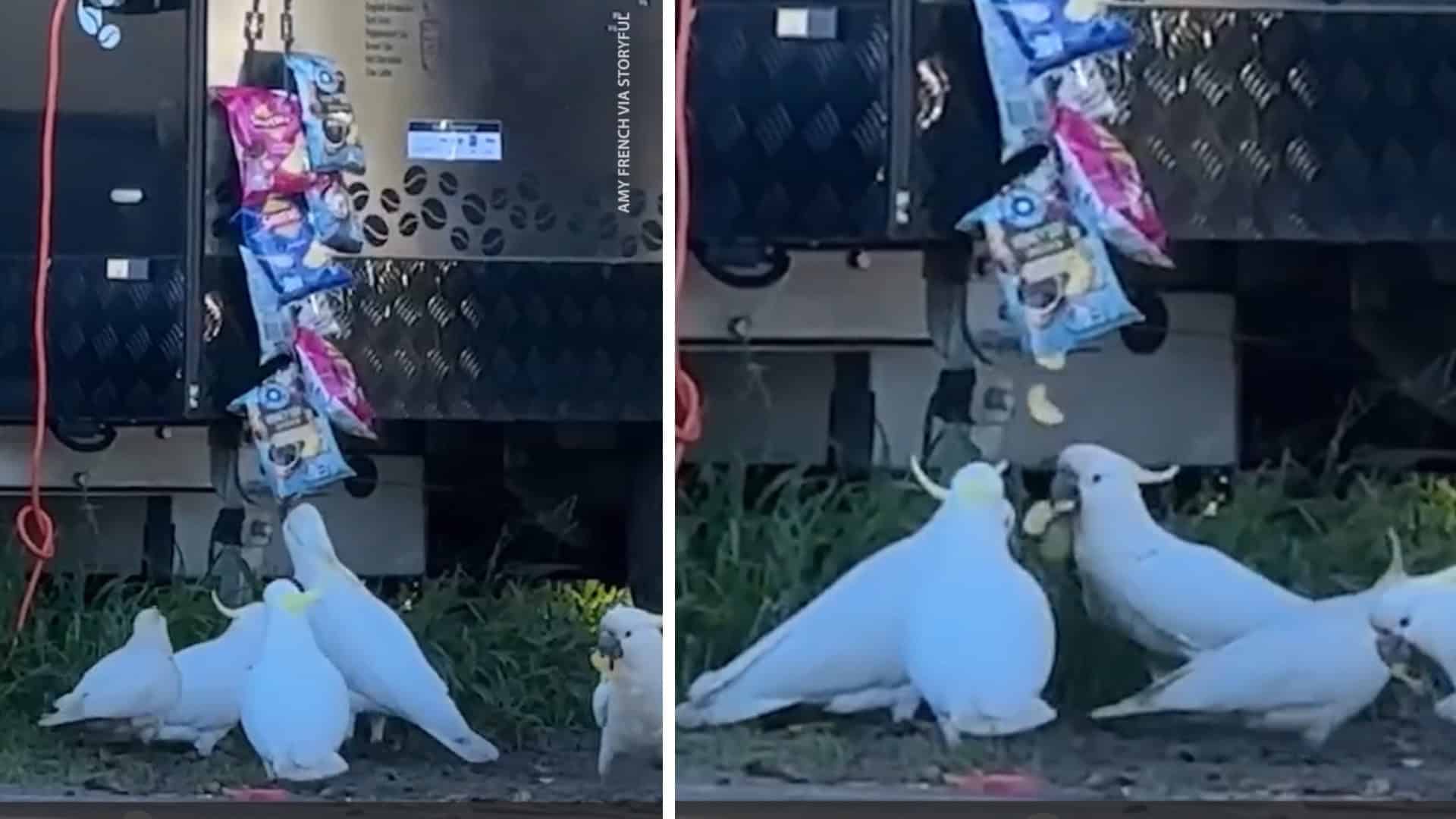
Cockatoos Stealing Food: Intelligence and Hidden Risks
Cockatoos stealing food from vendors proves their problem-solving power, but human junk food carries severe health risks for birds.
 🦜Birds
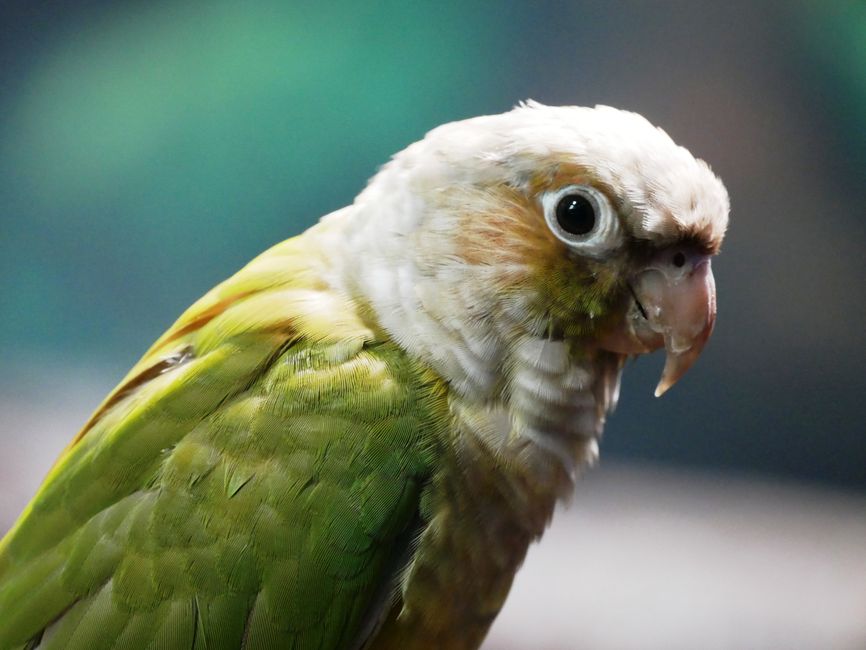
How to Stop Conure Screaming: 5 Practical Steps
Calm excessive conure noise with gentle routine adjustments, foraging enrichment, and positive reinforcement training.
 🦜Birds
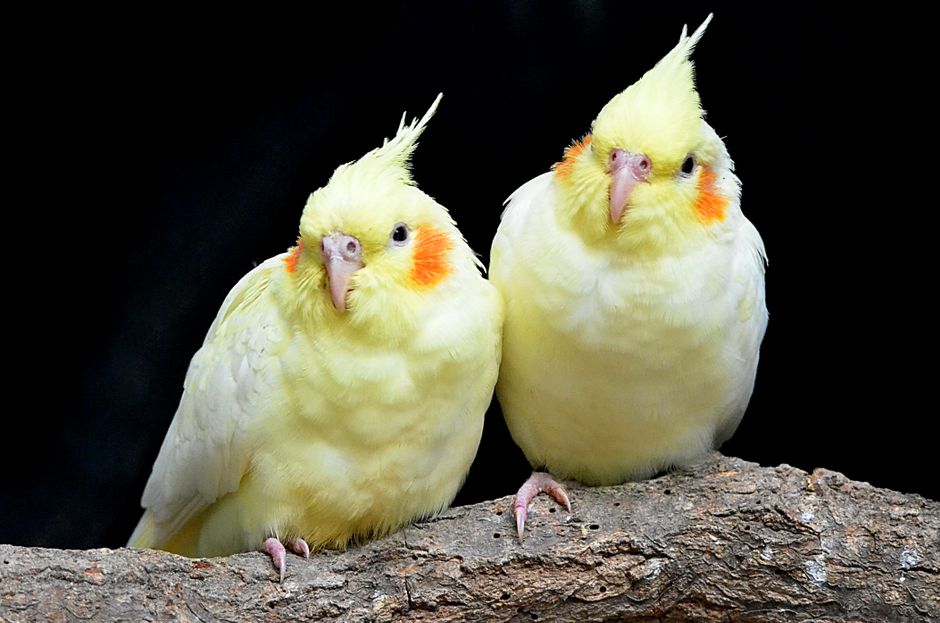
How to Bond with a Cockatiel: 5 Proven Steps
Discover how to bond with a cockatiel safely using patient body language, hand-feeding techniques, and daily trust-building routines.