Can Tarantulas Swim? How These Spiders Move on Water
Many spider owners are surprised to learn that these heavy arachnids can stay afloat on liquid surfaces. So, can tarantulas swim when they encounter deep pools in nature or inside a home terrarium? Yes, tarantulas possess remarkable survival skills that allow them to glide across open water using their eight legs.
Can Tarantulas Swim Across Open Water?
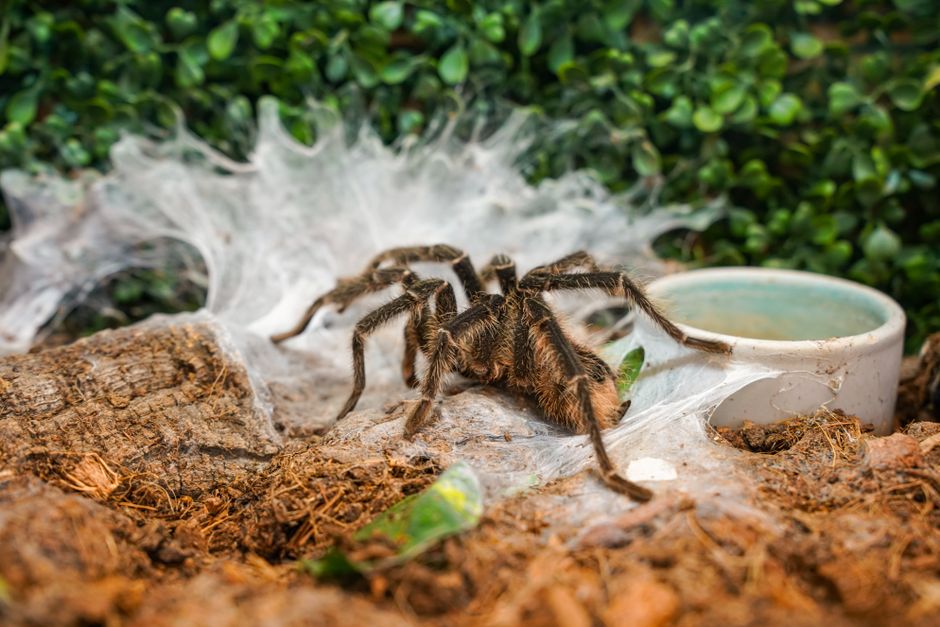
Yes, tarantulas can swim across open water by executing a distinct paddling motion with all eight legs. While they are ground dwellers or tree dwellers rather than aquatic animals, their bodies are surprisingly well adapted for short trips across liquid surfaces. They do not dive under the surface like aquatic beetles, but they move efficiently across the top layer.
This unique locomotion relies heavily on the physical structure of the spider. Tarantulas are covered in dense, specialized hairs that trap tiny air bubbles against their exoskeletons. These air pockets make the spider light and buoyant, preventing it from sinking right away when it hits liquid. Combined with surface tension, these trapped air pockets keep even heavy tarantulas floating on top of the water surface.
A tarantula hairy legs water interaction creates a protective cushion that pushes liquid away. The spider spreads its limbs wide to distribute its body weight across a larger area. This stance keeps its heavy abdomen and respiratory organs above the surface while it looks for dry land.
How Hairy Legs Keep Tarantulas Afloat
The dense coat of hair covering a tarantula acts like a natural life jacket. These hairs are water repellent, meaning liquid rolls right off them instead of soaking into the exoskeleton. When a tarantula drops onto liquid, these microscopic structures trap a layer of air around the body and limbs.
This trapped air layer provides buoyant force while keeping the spider dry underneath. As long as the hair coat stays clean and dry, the spider experiences minimal drag while moving. This physical trait gives them time to react and paddle toward dry ground before getting exhausted.
How Do Tarantulas Paddle and Steer on Water?
Tarantulas paddle across water by moving their legs in a synchronized, rowing fashion similar to a human swimmer doing a breaststroke. They extend their front legs outward, pull backward against the liquid, and push off using their rear legs. This creates steady forward momentum while keeping their body high on the surface.
Steering relies on subtle shifts in how hard the spider pushes on one side of its body. If a tarantula needs to turn left, it pushes more strongly with its right legs. Their movements look surprisingly smooth and coordinated, allowing them to travel several feet toward a shoreline or low hanging branch.
Observing how arachnids adjust their movements in unexpected conditions is fascinating for owners. Just as learning about hermit crab molting signs helps you understand unique invertebrate behaviors, seeing a tarantula move across liquid shows how adaptable these creatures really are.
Why Would a Tarantula Go Into the Water?
A tarantula enters the water primarily to survive dangerous events rather than to hunt or play. In their natural tropical or desert habitats, sudden heavy rainfall can cause flash flooding that fills underground burrows. Swimming allows them to escape drowned tunnels and reach safe, high ground.
Falling into streams or river edges is another reason tarantulas land in liquid. Arboreal species living high in tree canopies might lose their footing during strong winds and drop into ponds below. Terrestrial species hunting near riverbanks can also slip down muddy slopes into a fast current.
In all these cases, tarantula water survival skills kick in automatically as a defense mechanism. The goal is always speed and escape. The spider paddles as fast as possible toward rocks, logs, or soil to pull itself back onto solid ground.
Is Water Dangerous for Captive Pet Tarantulas?
Yes, open water creates a serious tarantula drowning risk in home enclosures because smooth plastic or glass walls make escape nearly impossible. In a small terrarium, a deep dish can quickly turn into a hazard if the spider falls in and cannot grip the sides.
Pet tarantulas suffer from exhaustion if they spend too long paddling without finding a climbing surface. Once their energy drops, they risk severe breathing problems. Tarantulas breathe through book lungs located on the underside of their abdomen. If the abdomen sinks below the surface for an extended period, the spider can suffocate.
Here are several practical safety rules for setting up drinking areas in your pet enclosure:
- Use shallow dishes that hold only a small amount of liquid at a time.
- Place small, clean stones or gravel inside the dish so your spider has stepping spots.
- Avoid smooth, deep plastic bowls that lack texture for tiny claws to grip.
- Position the dish away from high climbing branches where an arboreal spider might fall.
- Change the liquid daily to prevent bacteria build up and sticky films.
Always research the specific habitat needs of your tarantula species before choosing enclosure accessories. If your pet tarantula seems weak, limp, or unresponsive after accidentally falling into its dish, move it gently to a dry paper towel in a warm spot and consult an exotic animal veterinarian for assistance.
Setting Up a Safe Drinking Station in the Enclosure
Creating a safe drinking spot requires choosing the right container size and depth for your specific spider. Small spiderlings need only a tiny bottle cap with a damp cotton ball or drop of liquid. Adult tarantulas need shallow ceramic or textured dishes that stay grounded when stepped on.
Adding gravel or aquarium safe stones to the center gives the spider a physical ramp out of the bowl. Cleaning the bowl regularly ensures that surface tension is maintained, preventing the spider from getting stuck in sticky residues. Proper humidity can also be maintained by dampening half of the soil substrate rather than relying on massive open bowls.
Final Thoughts
Knowing can tarantulas swim helps every keeper create a safer home while admiring these resilient invertebrates. Their hairy bodies and synchronized leg movements give them surprising survival skills when facing sudden water risks in nature. Check out our other detailed guides on RarePetCare to learn more about keeping your exotic pets healthy and safe.
Frequently Asked Questions
Can a tarantula drown in a water dish?
Yes, a tarantula can drown in a deep water dish if it falls in and cannot find traction on smooth sides to climb out. Always keep drinking dishes shallow and place small stones inside to give them a safe foothold.
How long can a tarantula float on top of water?
A tarantula can float for several hours as long as its water-repellent hairs remain dry and keep trapping air. However, exhaustion will eventually set in if the spider cannot find dry ground.
Do pet tarantulas need liquid pools to bathe in?
No, tarantulas do not bathe in open pools and should never be forced into water for grooming or play. They keep themselves clean naturally and only need liquid for drinking.
Where are a tarantula's breathing organs located?
Tarantulas breathe through four organs called book lungs located on the underside of their lower abdomen. If the underside of the abdomen remains submerged under water, the spider cannot take in air.
Explore More Invertebrates Guides
 🕷️Invertebrates
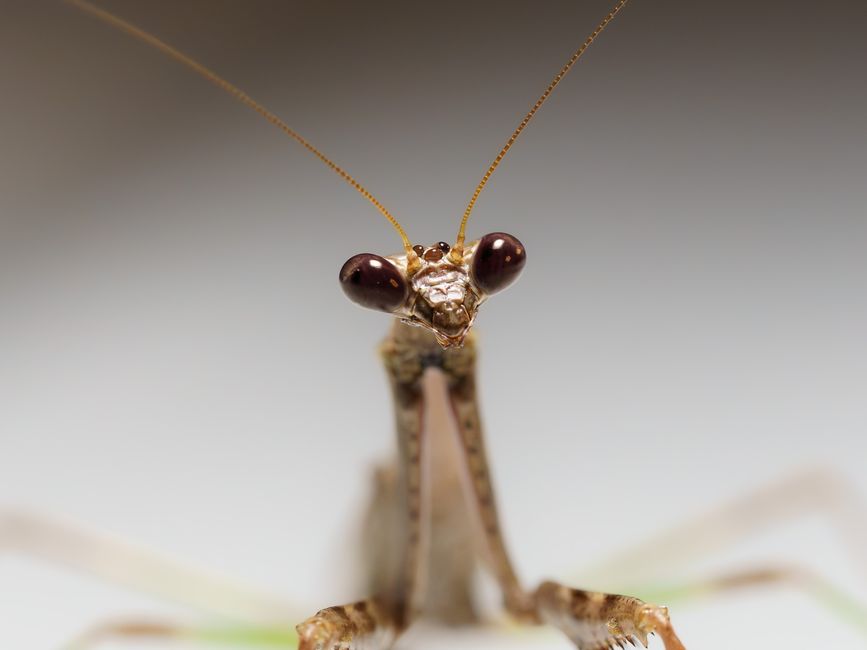
Praying Mantis Not Eating? Key Causes and Fixes
Discover why your praying mantis is refusing food, how to spot premolt signs, and what you can do to get them eating safely again.
 🕷️Invertebrates
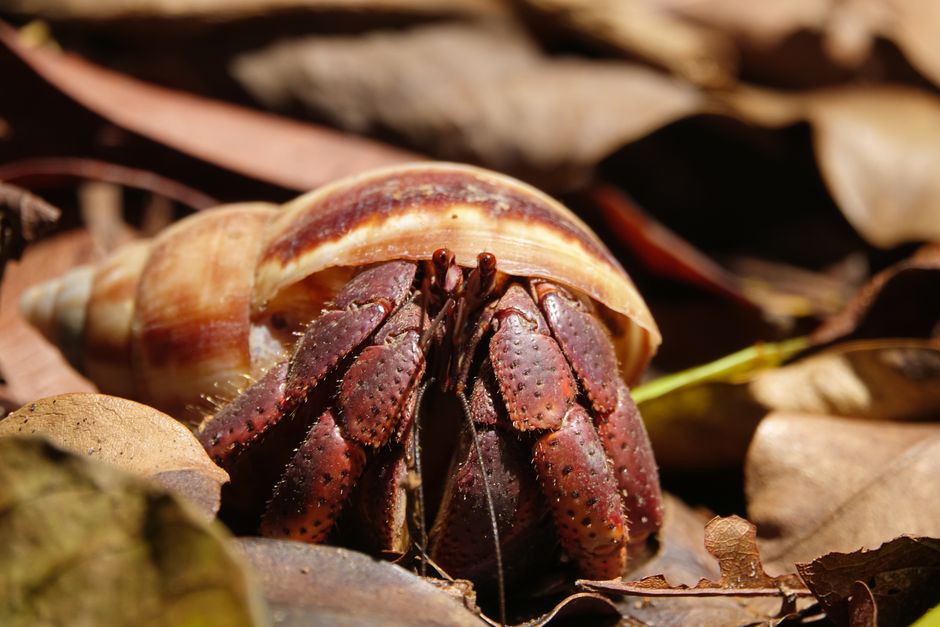
Why Is My Hermit Crab Buried? Key Reasons
Learn why hermit crabs bury themselves in the substrate, how to tell if they are molting, and why you should never dig them up.
 🕷️Invertebrates
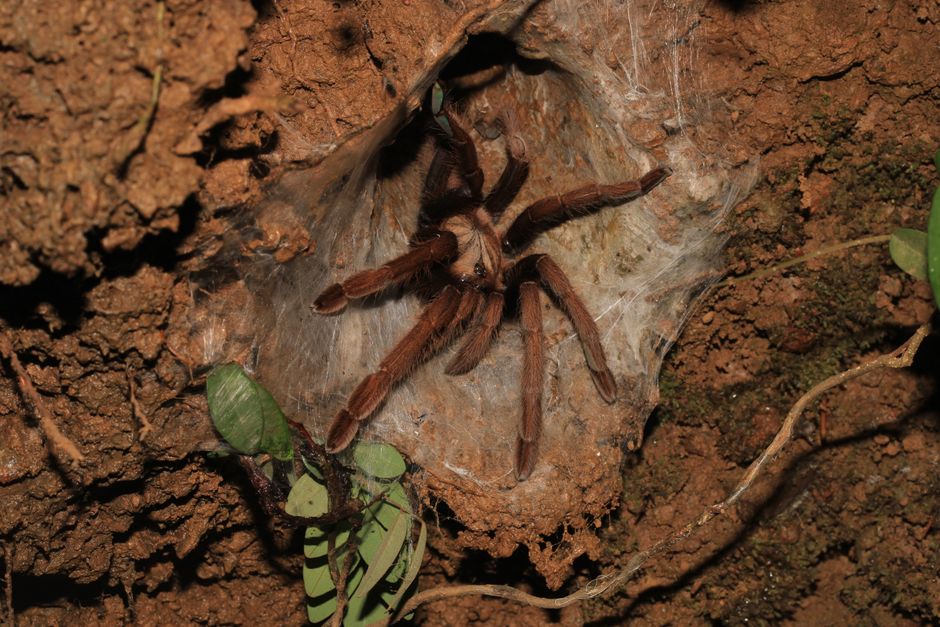
Why Is My Tarantula on Its Back? Molting vs Dying
A tarantula on its back is almost always preparing to molt. Learn how to tell molting from illness and how to keep your pet safe.