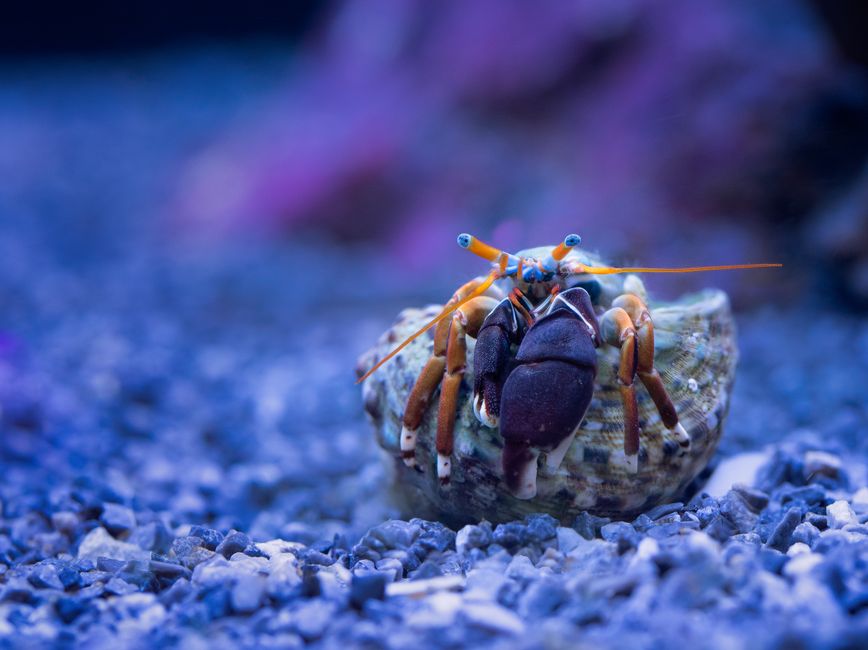
Hermit Crab Molting Signs: How to Spot the Process
Hermit crabs grow by shedding their hard outer exoskeleton in a natural process called molting. Seeing your crab slow down or disappear under the substrate can feel worrying at first. Recognizing key hermit crab molting signs helps you provide the right care while keeping your pet safe and comfortable.
What Are the Primary Hermit Crab Molting Signs?
A molting hermit crab usually gives off several clues before it starts shedding its outer shell. Your crab might suddenly dig deeper into the sand, eat more food than usual, or drink large amounts of water to prepare its body. Spotting these changes early lets you know that a molt is approaching so you can avoid disturbing their habitat.
Behavioral Changes Before Molting
In the days leading up to a molt, hermit crabs often alter their daily routine. You may notice your pet spending far more time near the water dishes to store up moisture. They might also become unusually sluggish during their active evening hours or spend extended periods digging test holes in the substrate.
Physical Changes to Watch For
Physical clues are often the clearest indicator that your hermit crab is ready to shed. As the old exoskeleton loosens, your crab's body goes through noticeable transformations.
Here are the most frequent physical signals you will observe:
- Dull or graying body color that lacks its usual luster
- Cloudy or whitish eyes that look slightly swollen
- Small bubble-like sac on the side of the abdomen where food and water are stored
- Black tip appearance on the ends of the legs and claws
- Piles of damp sand left behind from deep digging
Is My Hermit Crab Dead or Molting?
Telling the difference between a molting crab and a deceased crab is one of the biggest challenges for new pet parents. A molting crab drops its old exoskeleton, which looks identical to a complete, hollow crab, including claws and legs. Many owners assume their crab has died when they see this cast-off skin sitting on top of the substrate.
Before taking action, look inside the shell with a flashlight without touching the animal. If your crab is molting, the actual body will remain soft and tucked deep inside its shell underneath or behind the shed skin. Dead crabs usually hang limp out of their shells and emit a distinct fishy odor that smells like decaying seafood. If there is no foul odor, leave the crab completely alone and assume it is resting after a molt.
Just like fixing stuck shed on reptiles requires patience and gentle care, invertebrate shedding demands zero intervention. Disturbing a soft, freshly molted hermit crab can cause severe injuries or fatal stress.
What Should You Do When Your Hermit Crab Buries Itself?
When a hermit crab digs deep into the sand and stays buried, it is usually creating a safe underground chamber to molt. This process can take anywhere from a few weeks to a few months depending on the size of your crab. The best thing you can do during this time is to maintain stable tank conditions and resist the urge to dig them up.
While your pet is buried, continue keeping the substrate damp and check the tank temperatures daily. Ensure the air humidity remains high enough so the buried crab does not dry out under the sand. Always research your species' adult size and specific habitat needs before bringing a crab home, and consult an exotic-animal veterinarian if you suspect an injury or underlying infection.
Keep fresh water and small portions of food available in the tank at all times. Even if one crab is buried, other active crabs in the tank still need daily care. Sometimes buried crabs come up briefly at night to drink before heading back down to finish hardening their new exoskeleton.
How to Care for a Surface Molting Hermit Crab
Most hermit crabs prefer to molt underground, but occasionally one will molt right on top of the substrate. A surface molt leaves the crab exposed and extremely vulnerable to tank mates who might mistake the soft crab for food. Recognizing surface-based hermit crab molting signs quickly allows you to isolate and protect your pet.
If you spot a surface molt in progress, gently cover the crab with a dark plastic bottle top or cut soda bottle with air holes. This creates a temporary protective cave over the crab without moving its fragile body. Make sure the barrier prevents other crabs from reaching the molter while keeping the immediate area dark and humid.
To keep your molting crab safe, follow these basic protection steps:
- Place a cut plastic bottle over the crab to block inquisitive tank mates
- Keep light levels low around the enclosure to minimize stress
- Leave the shed exoskeleton inside the protective barrier so the crab can eat it later
- Ensure ambient tank humidity stays consistently high
- Provide access to clean water nearby inside the isolated area
Never remove the shed skin from the tank after a surface molt. The old exoskeleton contains vital minerals and calcium that the crab must consume to rebuild its new outer shell. Once the crab eats its shed skin and its body darkens to a hard outer layer, you can safely remove the protective barrier.
Final Thoughts
Observing normal hermit crab molting signs gives you peace of mind while your pet goes through this delicate growth phase. By keeping humidity stable and resisting the urge to disturb buried crabs, you help your pet complete every molt safely. Check out our other RarePetCare guides to learn more about keeping your exotic pets healthy and thriving.
Frequently Asked Questions
How long does hermit crab molting take?
Molting can take anywhere from two weeks for small crabs to several months for larger individuals. The crab stays buried or hidden until its new exoskeleton fully hardens.
Should I remove the shed exoskeleton from the tank?
No, you should always leave the shed exoskeleton inside the enclosure. Hermit crabs eat their old skin to replenish essential calcium and nutrients needed to harden their new body.
Can hermit crabs molt without burying themselves?
Yes, hermit crabs sometimes molt on top of the substrate if the sand is too dry or shallow to dig. Surface molts require immediate isolation with a protective barrier to prevent attacks from tank mates.
Why does my hermit crab eat so much before molting?
Hermit crabs store nutrients and water in a small gel-like sac inside their bodies before a molt. This stored energy sustains them during the weeks they spend buried without eating fresh food.
Explore More Invertebrates Guides
 🕷️Invertebrates
Praying Mantis Not Eating? Key Causes and Fixes
Discover why your praying mantis is refusing food, how to spot premolt signs, and what you can do to get them eating safely again.
 🕷️Invertebrates
Why Is My Hermit Crab Buried? Key Reasons
Learn why hermit crabs bury themselves in the substrate, how to tell if they are molting, and why you should never dig them up.
 🕷️Invertebrates
Why Is My Tarantula on Its Back? Molting vs Dying
A tarantula on its back is almost always preparing to molt. Learn how to tell molting from illness and how to keep your pet safe.