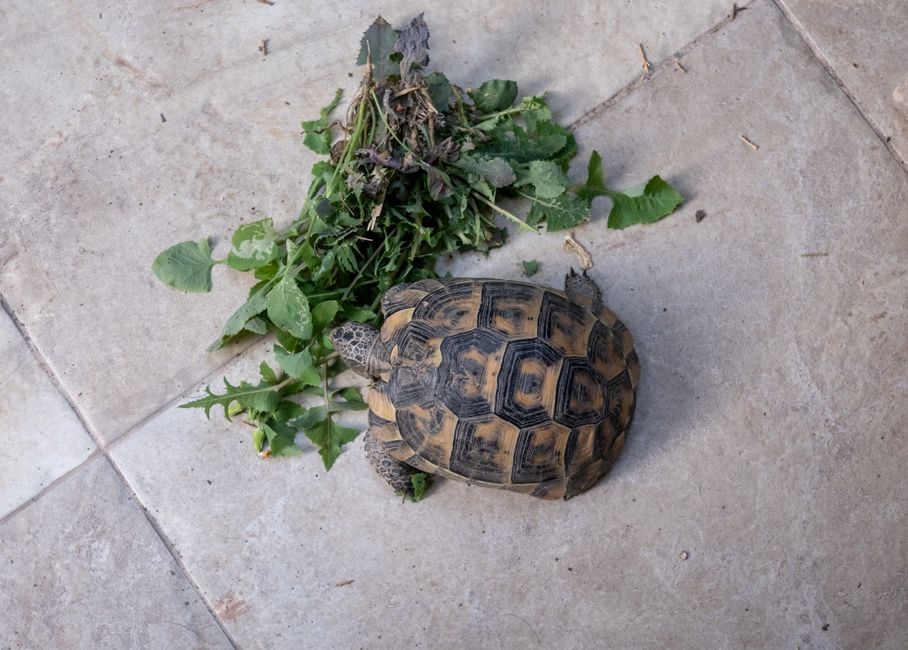
Can Tortoises Eat Tomatoes? Safe Diet Guide
Feeding your shelled companion a fresh, varied menu is one of the joys of reptile keeping. Yet many owners wonder: can tortoises eat tomatoes? In short, tortoises can technically eat tiny amounts of ripe tomato flesh, but you should rarely offer it, and you must never feed them tomato leaves, stems, or unripe green fruit due to dangerous toxins.
Understanding how a tortoise digests food helps explain why this juicy garden staple causes problems. In the wild, most tortoise species thrive on high-fiber, low-sugar grasses, weeds, and tough leafy greens. Adding watery, acidic fruits to their feeding dish upsets their sensitive gut balance and leads to painful digestive distress.
Can Tortoises Eat Tomatoes Safely?
Tortoises should not eat tomatoes as a regular part of their diet because the high acidity, high moisture, and concentrated sugars can cause severe diarrhea and gut problems. While a single bite of red, fully ripe tomato flesh is not instantly lethal, tomatoes offer almost no nutritional benefit compared to natural forage.
Pet tortoises have specialized digestive tracts full of beneficial bacteria that break down coarse plant matter. High-sugar and acidic treats disrupt these microscopic organisms quickly. When that microflora dies off, harmful bacteria multiply, which often causes loose stools, dehydration, and poor nutrient uptake. For arid species like Russian, Greek, or sulcata tortoises, heavy fruit consumption can even trigger painful intestinal bloating.
If you keep forest-dwelling species such as red-footed tortoises, their natural diet does contain occasional fallen fruit. Even for them, tomatoes are an inferior choice compared to reptile-safe berries or melons. Keep ripe tomatoes off the daily menu for all species to preserve healthy bowel function.
Why Are Tomato Vines and Leaves Toxic to Tortoises?
Tomato vines, stems, leaves, and green unripened fruit are toxic to tortoises because they belong to the nightshade family, containing dangerous alkaloids called solanine and tomatine. Ingesting any green part of a tomato plant can lead to organ stress, neurological symptoms, or severe poisoning in reptiles.
Solanine acts as a natural defense mechanism for the plant, warding off grazing animals and insects in the wild. For a tortoise, consuming solanine irritates the mucosal lining of the stomach and intestines. In severe cases, the toxin enters the bloodstream, damaging the nervous system and placing immense strain on the kidneys and liver. Pet parents should consult an exotic vet for health issues if they suspect their pet has grazed on any nightshade foliage.
Signs of Solanine Poisoning in Tortoises
Recognizing the warning signs of plant poisoning helps you act before permanent organ damage occurs. A poisoned reptile often displays changes in behavior and posture within a few hours of eating harmful greens.
- Sudden lethargy, weakness, or an inability to lift the shell off the ground
- Excessive drooling, frothing, or discharge around the beak
- Watery diarrhea, sometimes accompanied by mucus or undigested matter
- Loss of coordination, muscle tremors, or head swaying
If you notice any of these signs after your pet wanders near a garden patch, rinse their mouth with clean water and contact an exotic-animal veterinarian immediately.
How Does Tomato Acidity and Sugar Affect Tortoise Shells?
Tomatoes harm tortoise shells indirectly by interfering with calcium absorption, while high sugar levels promote rapid, abnormal shell growth known as pyramiding. A poor ratio of calcium to phosphorus in tomatoes prevents the animal from depositing minerals into developing bone and keratin.
Tortoises require a diet with far more calcium than phosphorus to build a dense, hard shell. Tomatoes contain more phosphorus than calcium, which forces the tortoise's body to pull stored calcium out of its own bones to balance blood levels. Over time, this imbalance contributes to metabolic bone disease, leaving the shell soft, pliable, and deformed.
Furthermore, regular intake of sugary foods causes young tortoises to grow too fast. In healthy wild environments, slow and steady growth creates a smooth, flat carapace. Captive tortoises fed soft, sugar-laden treats often develop sharp peaks on their scutes. Keeping a balanced mineral profile in daily meals prevents these permanent physical deformities from taking hold.
What Should You Do If Your Tortoise Ate a Tomato?
If your tortoise ate a bite of ripe tomato flesh, monitor their droppings for runny stool and provide plenty of clean water, as a single small piece is unlikely to cause lasting harm. If your pet ate tomato leaves, vines, or green unripened tomatoes, isolate them immediately and contact an exotic veterinarian for medical treatment.
When dealing with a bite of red flesh, do not panic. Simply withhold all fruit treats for the next few weeks and return your tortoise to a high-fiber regimen of broadleaf weeds and hay. The extra dietary fiber helps absorb excess moisture in the digestive canal and stabilizes the resident gut microbes.
Make sure to soak your pet in lukewarm, shallow water for fifteen to twenty minutes. Soaking encourages hydration, which flushes mild acids out of the digestive tract and prevents fluid loss if mild diarrhea occurs. If you notice persistent runny waste for more than two days, schedule a professional veterinary checkup to test for secondary bacterial growth.
How to Keep Tortoises Safe from Garden Plants
The best way to protect your tortoise from garden plants is to install secure fencing around vegetable patches and thoroughly inspect outdoor grazing areas for nightshades, toxic weeds, and dropped garden produce. Creating a dedicated enclosure keeps your pet away from domestic crops that could cause accidental poisoning.
Many keepers enjoy keeping tortoises outside during warm seasons so their pets can enjoy natural sunlight and grazing opportunities. While outdoor sunshine provides invaluable ultraviolet rays, it also exposes curious reptiles to backyard hazards. Wild nightshades, volunteer tomato sprouts, and decorative potato vines can pop up unexpectedly in grassy borders.
Safe Alternatives to Fruit Treats
Instead of risky fruits, pet parents can offer safe, vibrant greens that satisfy a tortoise's interest in colorful food without upsetting their stomach. These items supply valuable trace minerals and natural dietary fiber.
- Dandelion greens and yellow dandelion blossoms picked from pesticide-free lawns
- Broadleaf plantain, clover, and clean hibiscus flowers
- Prickly pear cactus pads with all spines and glochids removed
- Endive, escarole, and fresh turnip greens
By rotating these wholesome greens, you give your reptile a varied sensory experience that supports strong digestion and optimal shell health.
Final Thoughts
While sharing garden produce with your reptile companion feels rewarding, the clear answer to can tortoises eat tomatoes is that the risks far outweigh any temporary enjoyment. Stick to calcium-rich weeds, native grasses, and safe edible flowers to keep your pet strong and thriving. Check out our other guides at RarePetCare to discover safe feeding plans and habitat tips for every unique exotic pet in your home.
Frequently Asked Questions
Can baby tortoises eat tomatoes?
Baby tortoises should never eat tomatoes because their developing digestive tracts are extremely delicate and sensitive to the high sugar and acid content. Feeding tomatoes to hatchlings can trigger severe dehydration from diarrhea and disrupt proper shell calcification.
Can Russian tortoises eat tomatoes as a treat?
Russian tortoises should not eat tomatoes even as an occasional treat because they are an arid grassland species adapted exclusively to fibrous weeds and dry plants. Sugary or watery foods like tomatoes can cause severe digestive upset and parasitic bacterial blooms in their gut.
Are cooked tomatoes safe for tortoises?
Cooked tomatoes are not safe for tortoises because cooking does not remove the natural acids or sugars, and processed human foods often contain added salt or oils that harm reptiles. Tortoises require raw, natural fibrous vegetation and should never consume cooked meals.
Can tortoises eat the seeds inside a tomato?
Tortoises should not eat tomato seeds because they pass through the digestive system undigested and can harbor trace alkaloids, while also posing a minor risk of intestinal irritation. It is best to avoid feeding tomato pulp and seeds entirely.
Explore More Reptiles Guides
 🦎Reptiles
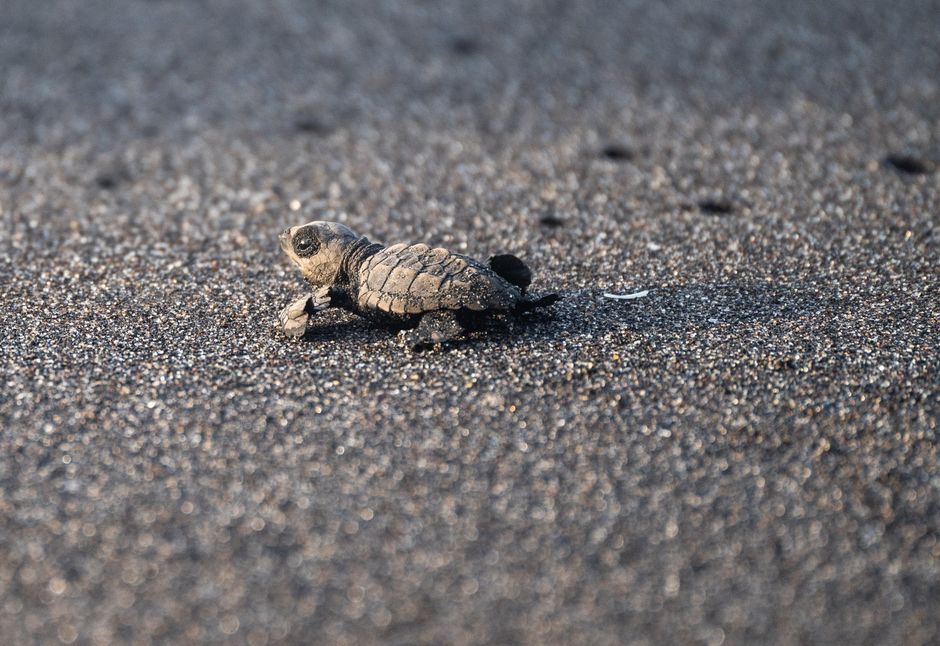
What Is a Baby Turtle Called? The Real Name Explained
Discover the true name for a baby turtle, why common naming myths exist, and how young hatchlings develop into adulthood.
 🦎Reptiles
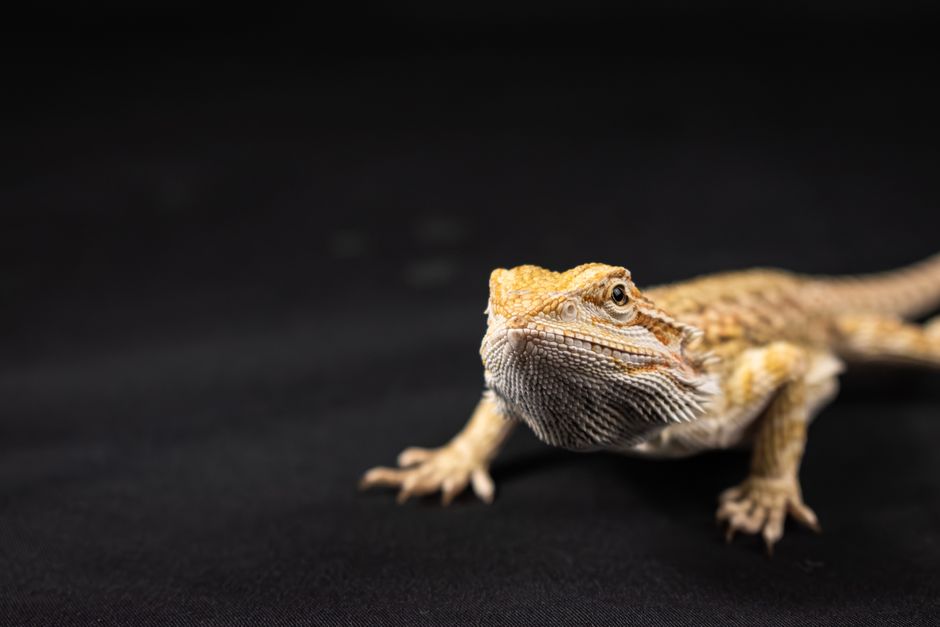
How to Sex a Lizard: Complete Identification Guide
Discover how to sex a lizard accurately at home using visual traits, femoral pores, and safe handling techniques.
 🦎Reptiles
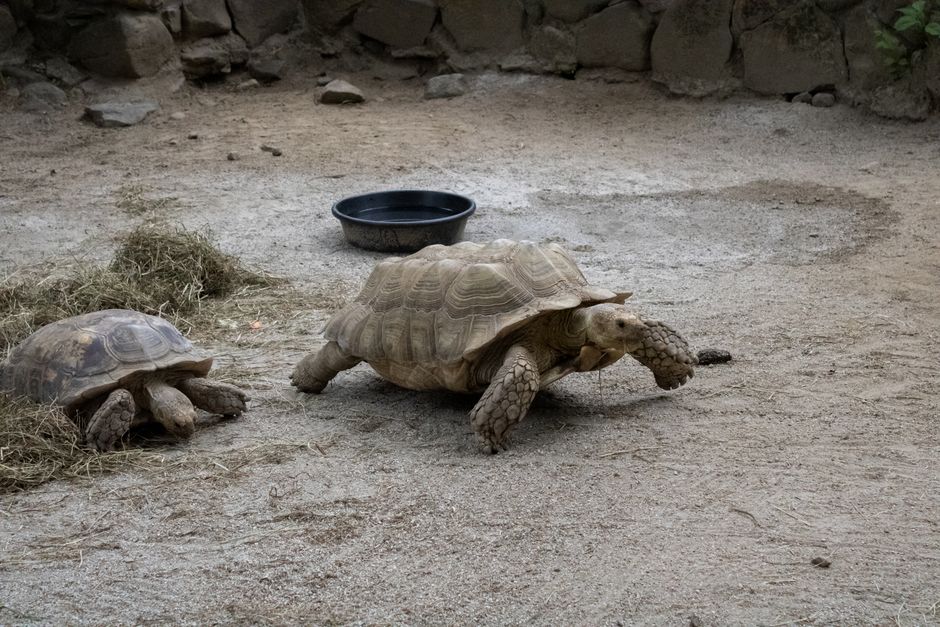
Keeping Tortoises Outside: Safe Outdoor Care Guide
Discover how keeping tortoises outside provides natural sunlight, healthy grazing, and active exercise in a secure outdoor enclosure.