Cockatiel Anatomy: Guide to Every Pet Bird Body Part
Cockatiels are among the most beloved companion birds in the world, famous for their whistled tunes and expressive crests. Cockatiel anatomy refers to the biological physical structure of the cockatiel, including its specialized feather tracts, hollow skeletal frame, static lungs, and unique sensory organs designed for life as an agile Australian parakeet. Understanding how your bird is built helps you decode body language, recognize early signs of illness, and provide the best possible daily care.
What Are the Main Parts of Cockatiel Head Anatomy?
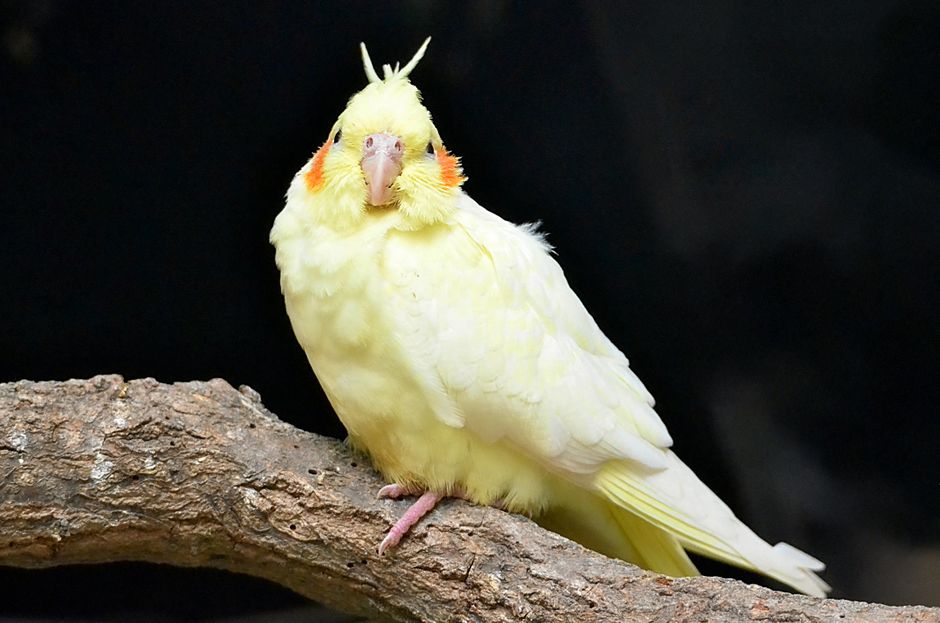
The main parts of cockatiel head anatomy include the erectile crest, beak, nares, eyes, and circular orange cheek patches. Each of these structures serves a vital survival function, ranging from acute sensory perception to clear emotional communication with flock mates.
The crest is the cockatiel's most famous feature. Controlled by tiny subcutaneous muscles, these elongated feathers raise straight up when your bird is startled, curious, or excited. A relaxed, slightly tilted crest signals a content bird, while a crest held completely flat against the skull indicates intense fear or defensive anger. Much like how a bearded dragon glass surfing signals environmental stress, a cockatiel holding its crest flat against its head often warns of fear or agitation.
Right below the crest, you will find the bird's distinctive orange cheek patches, also called auricular patches. Many owners assume cockatiels lack ears, but an ear opening sits directly underneath each cheek patch. These fine, barbless auricular feathers protect the delicate ear canal from dust and wind while allowing sound waves to pass cleanly through without muffling high-pitched flock calls.
The beak, or rostrum, consists of a bony framework covered by a tough layer of keratin. Unlike mammals, cockatiels have a flexible hinge joint connecting the upper beak to the skull, giving them immense crushing strength and a wider gape. At the base of the upper beak sits the cere, a fleshy band containing two circular nostrils called nares. Clear, open nares indicate clean respiratory passages, while wet, swollen, or plugged nares require a prompt veterinary check.
How Does the Cockatiel Respiratory System Work?
The cockatiel respiratory system uses a continuous, one-way airflow loop powered by air sacs rather than expandable lungs. Unlike human lungs, a cockatiel's lungs are rigid and never expand or contract during breathing, making avian gas exchange remarkably efficient.
In mammals, air moves in and out of the same airway branches like a bellows. In a cockatiel, inhaled air travels through a network of expandable air sacs located throughout the body cavity and inside hollow bones before entering the static lungs. It takes two complete breathing cycles for a single parcel of air to move entirely through the bird's respiratory tract. This structure ensures a steady, uninterrupted flow of oxygen during strenuous flight.
Because cockatiel lungs process air so efficiently, your bird is extraordinarily sensitive to airborne contaminants. Fumes that cause minor irritation to humans can prove fatal to a cockatiel within minutes. Always protect your bird by keeping cooking fumes, aerosol sprays, burning candles, and nonstick pans containing polytetrafluoroethylene far away from their living space.
Signs of Respiratory Distress in Cockatiels
Because their lungs cannot expand, sick birds must recruit body muscles to force air through their system. You should consult an exotic-animal veterinarian immediately if you observe any of the following symptoms:
- Rhythmic tail bobbing up and down with each breath
- Breathing with an open beak or outstretched neck
- Clicking, wheezing, or whistling sounds during respiration
- Crusty buildup or damp discharge around the nares
Why Are Cockatiel Wings and Tail Feathers So Important?
Cockatiel wings and tail feathers are engineered for rapid, agile flight across arid landscapes. The long, tapered tail makes up nearly half of the bird's total length, serving as a critical aerodynamic rudder for balance, steering, and braking.
A healthy adult cockatiel carries twelve main tail feathers, known scientifically as rectrices. These stiff feathers extend straight back from the pygostyle, the fused tailbone at the end of the avian spine. When perching, foraging on the floor, or balancing on narrow branches, the cockatiel spreads or twists these tail feathers to maintain an upright center of gravity.
The wings feature two primary groups of flight feathers. Primary flight feathers attach to the bird's fused hand bones and provide forward thrust during flight. Secondary flight feathers attach along the forearm bones and generate the lift needed to stay airborne. Underneath these larger flight feathers sit soft contour feathers and insulating down that trap body heat and repel moisture.
Feather Growth and the Preen Gland
New feathers develop as blood feathers, which contain an active vein and artery running through the central quill. A broken blood feather will bleed steadily because it lacks surrounding tissue to clamp the vessel, requiring gentle pressure or specialized styptic powder to stop the bleeding. Near the base of the tail sits the uropygial gland, or preen gland. Your cockatiel rubs its beak against this gland to gather conditioning oils, spreading them across the plumage during daily grooming to keep feathers waterproof and flexible.
How Does Cockatiel Skeletal and Digestive Anatomy Function?
Cockatiel skeletal anatomy features lightweight, hollow bones designed to reduce body mass for flight, while the digestive system relies on specialized muscular organs to break down hard seeds. These internal structures allow your bird to consume food quickly, store it safely, and extract maximum nutrition on the move.
Many cockatiel bones are pneumatic, meaning they contain air pockets directly connected to the respiratory air sacs. Despite their hollow nature, these bones are reinforced with delicate internal struts that provide exceptional structural strength. Crucial skeletal areas, such as the collarbones and lower spine, are fused into rigid units called the wishbone and synsacrum, giving the wings a sturdy anchor during takeoff.
Because birds lack teeth, their digestive tract does the heavy work of grinding food. Swallowed seeds travel down the esophagus into the crop, an expandable storage pouch located at the base of the neck. The crop softens food before passing it into the proventriculus, the glandular stomach that secretes digestive enzymes. Food then enters the gizzard, a thick muscular organ that contracts vigorously to pulverize tough seed husks. All waste passes out through the cloaca, a single chamber that handles digestive, urinary, and reproductive functions.
Final Thoughts
Learning the fundamentals of cockatiel anatomy gives you deep insight into how your feathered companion interacts with its environment. By observing their crest positions, monitoring their breathing patterns, and inspecting their plumage, you can maintain their health and detect potential concerns long before they turn into emergencies. Explore more RarePetCare guides to discover proven husbandry tips, habitat setups, and wellness advice for all your exotic pets.
Frequently Asked Questions
Where are a cockatiel's ears located?
A cockatiel's ears sit just behind and slightly below the eyes, hidden entirely beneath the circular orange cheek patches.
Why do cockatiel lungs not expand during breathing?
Cockatiel lungs are rigid structures that maintain a constant volume, relying on flexible air sacs throughout the body to pump air through them in a continuous loop.
What proportion of a cockatiel is its tail?
A cockatiel's tail feathers make up roughly half of the bird's total body length, providing balance when perching and acting as a flight rudder.
What is the purpose of the cockatiel crop?
The crop is an expandable pouch along the esophagus that temporarily stores and softens swallowed food before it moves into the stomach.
Explore More Birds Guides
 🦜Birds
Why Is My Budgie Puffed Up? Causes and Next Steps
Discover why budgies puff up their feathers, how to tell relaxed behavior from illness, and what to do if your bird feels unwell.
 🦜Birds
Bird Flu Backyard Feeders: Is It Safe to Feed Birds?
Feeding wild birds brings nature close, but bird flu risks at backyard stations mean pet parents must take precautions.
 🦜Birds
Wild Parrots of San Francisco: Rescue and Urban Life
A wild red-masked parakeet was freed by firefighters in San Francisco, showing the unique challenges feral parrot flocks face in the city.