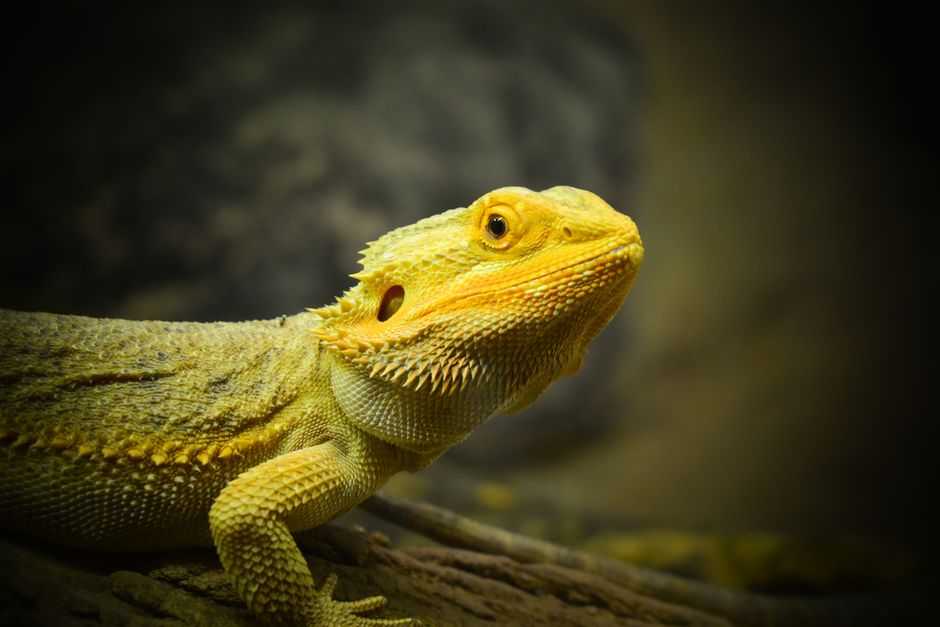
Bearded Dragon Glass Surfing: Causes and Safe Fixes
Watching your lizard constantly scramble against the tank walls can be distressing for any reptile owner. Bearded dragon glass surfing happens when a dragon repeatedly scratches, paws, or runs its belly against the glass of its enclosure as if trying to climb out. This frantic behavior is usually a clear sign that your pet feels stressed, uncomfortable in its habitat, bored, or eager to explore outside. Understanding what triggers this activity helps you make simple adjustments so your dragon stays calm and healthy.
What Is Bearded Dragon Glass Surfing and What Does It Mean?
Bearded dragon glass surfing is an active stress behavior where a lizard stands on its hind legs and frantically claws or slides against the transparent walls of its terrarium. It means your pet is reacting to something wrong inside its environment or trying to escape a perceived threat. In the wild, reptiles do not encounter transparent barriers, so glass confuses them when they want to move toward light, space, or an area that looks open.
While an occasional bout of pawing at the glass is normal, ongoing episodes point to underlying friction in your setup. Lizards use body language to communicate their physical and mental state. When a dragon repeatedly pushes against the wall, it is asking for a change in its living conditions. Addressing the behavior early prevents secondary injuries, such as raw snouts or broken claws.
Why Is My Bearded Dragon Glass Surfing? Common Causes
Your bearded dragon is glass surfing because something in its environment is causing physical discomfort, sensory confusion, or psychological stress. Pinpointing the exact cause takes a little detective work, but most cases trace back to a few frequent triggers.
Enclosure Size and Territory Boundaries
A tank that is too small frequently triggers frantic wall pacing. As bearded dragons grow from juveniles into large adults, their territory requirements expand dramatically. When an active lizard feels cramped and cannot explore or stretch out properly, frustration builds quickly. If the tank is cluttered or lacks open floor space, your dragon will push at the boundaries to search for more room.
Temperature and Humidity Problems
Incorrect habitat temperatures make dragons desperate to find relief. If the warm side or basking spot gets too hot, the dragon will try to escape the entire enclosure to cool down. Conversely, if the whole tank is too cold, your pet may pace looking for adequate heat. Incorrect humidity levels also cause agitation. Always check your gauges first, because thermal distress is an immediate safety concern.
Reflections and Outside Visual Stress
Glass acts like a mirror under certain indoor lighting conditions. Bearded dragons are fiercely territorial solitary animals. When a dragon catches its own reflection in the glass, it assumes another lizard has invaded its personal territory. Outside activity can cause equal stress, especially if household pets like cats or dogs stare into the tank. Just like learning to handle a Pacman frog not eating due to sudden environmental stress, visual overstimulation can completely disrupt your reptile's sense of security.
How to Stop Bearded Dragon Glass Surfing
You can stop bearded dragon glass surfing by auditing your enclosure setup, eliminating visual reflections, and providing your lizard with daily mental stimulation. Taking a structured approach helps you fix the issue without guessing blindly.
First, reduce reflections inside the tank. Place non-reflective background paper on three sides of the glass, fitting the paper along the inside or outside depending on the material. If lighting inside the room is brighter than the terrarium lighting, tweak your room lights to cut down the glare. Blocking outside views of other pets or high foot traffic areas will also bring fast relief.
Next, recheck the thermal gradient in the habitat. Use reliable digital probe thermometers or an infrared temperature gun instead of cheap stick-on dials. Make sure your dragon can easily move between a warm basking zone and a clearly defined cool end. If the cool side is too warm, your pet has nowhere to regulate its body temperature.
Finally, evaluate how much enrichment your pet receives. A bored dragon with nothing to climb, explore, or chase will spend its energy clawing the walls. Try implementing a few easy enrichment updates:
- Add sturdy branches, reptile hammocks, and slate rocks for new climbing angles.
- Provide a textured dig box filled with pet-safe substrate if your dragon likes to burrow.
- Offer supervised floor time in an escape-proof, clean room to let your pet stretch its legs safely.
- Introduce safe visual puzzles, such as placing feeder insects inside a clear rolling puzzle ball.
- Rearrange safe terrarium decor occasionally to give your dragon fresh areas to explore.
Is Glass Surfing Ever Normal for Bearded Dragons?
Glass surfing is occasionally normal during specific life stages, such as breeding season, relocation to a new home, or right before laying eggs. If you just brought your dragon home or moved its tank to a different room, a few days of restless behavior is a standard reaction to an unfamiliar environment.
Female bearded dragons often surf relentlessly when they are gravid, meaning they are carrying eggs. A gravid female needs to dig, and she will pace the walls looking for deep soil or sand to deposit her clutch. If you suspect your female dragon is carrying eggs, provide a dedicated nesting lay box right away so she does not become egg-bound. During seasonal changes, male dragons also experience hormonal spikes that make them restless and eager to roam for a mate.
Shedding discomfort can also make a dragon irritable and fidgety. Tight, itchy skin across the head and belly makes lizards rub against rough surfaces, and sometimes they push against glass in an attempt to loosen tough patches. Much like treating a snake stuck shed with gentle care, you should monitor your lizard closely during shed cycles to ensure old skin comes off cleanly without restricting circulation.
When Should You Consult an Exotic Vet?
You should consult an exotic vet if the glass surfing continues despite fixing your husbandry, or if your dragon shows physical signs of illness like lethargy, black bearding, dark stress marks, or refusing food. Long-term pacing can cause nose rub, leading to painful sores or bacterial infections on the snout.
Parasites are another hidden cause of chronic agitation. Internal parasites cause stomach pain and cramping, which often makes a dragon pace restlessly around the enclosure. A veterinarian can test a fresh fecal sample and prescribe the right treatment. Responsible ownership means budgeting for professional veterinary care whenever behavioral issues persist or your pet seems in pain.
Final Thoughts
Dealing with bearded dragon glass surfing requires patience, careful observation, and a willingness to adjust your pet's living space. Once you identify whether your lizard is reacting to reflections, incorrect heat, cramped quarters, or simple boredom, you can easily restore peace to the tank. Explore our other RarePetCare guides to learn more practical tips for keeping your exotic pets happy and thriving.
Frequently Asked Questions
Can bearded dragon glass surfing cause physical injuries?
Yes, continuous glass surfing can cause nose rub, raw sores, and broken claws from constant friction against hard surfaces.
Why does my bearded dragon glass surf after eating?
Dragons may glass surf after meals if their basking spot is not warm enough to digest properly, or if they want to move away from their food bowl.
Does glass surfing mean my bearded dragon hates its tank?
No, it does not mean your dragon hates its tank, but it does signal that something specific like temperature, reflection, or boredom needs your attention.
How long does relocation stress glass surfing usually last?
Relocation stress usually settles within one to two weeks once your lizard learns the scent and layout of its new environment.
Explore More Reptiles Guides
 🦎Reptiles
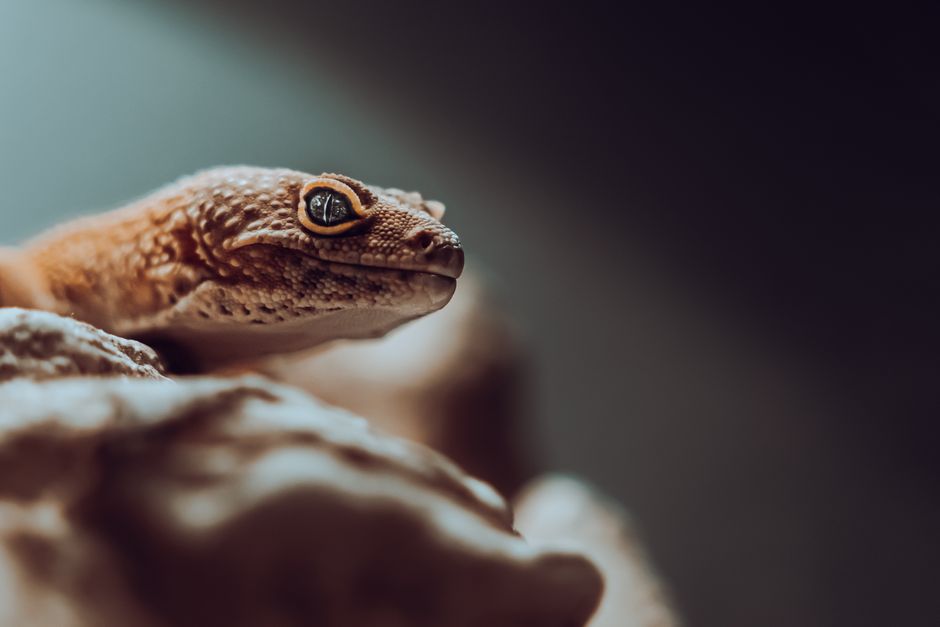
Bearded Dragon vs Leopard Gecko: Which Pet Is Best?
Compare space, diet, handling, and daily care to choose the right beginner lizard between a bearded dragon and a leopard gecko.
 🦎Reptiles
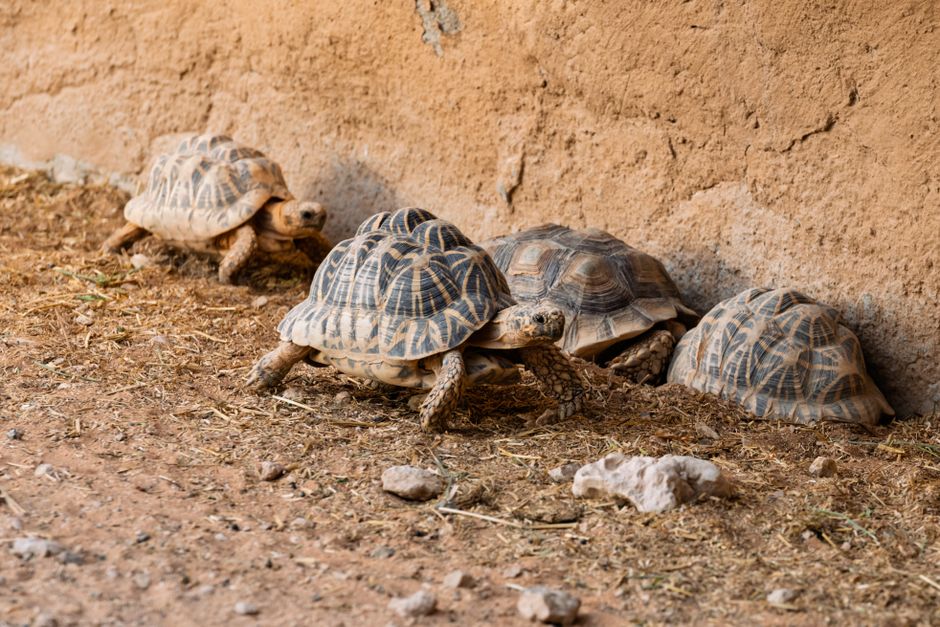
Tortoise Costs: Complete Guide to Ownership Expenses
Discover the true lifetime expenses of owning a tortoise, from initial habitat setup to ongoing food, lighting, and veterinary care.
 🦎Reptiles
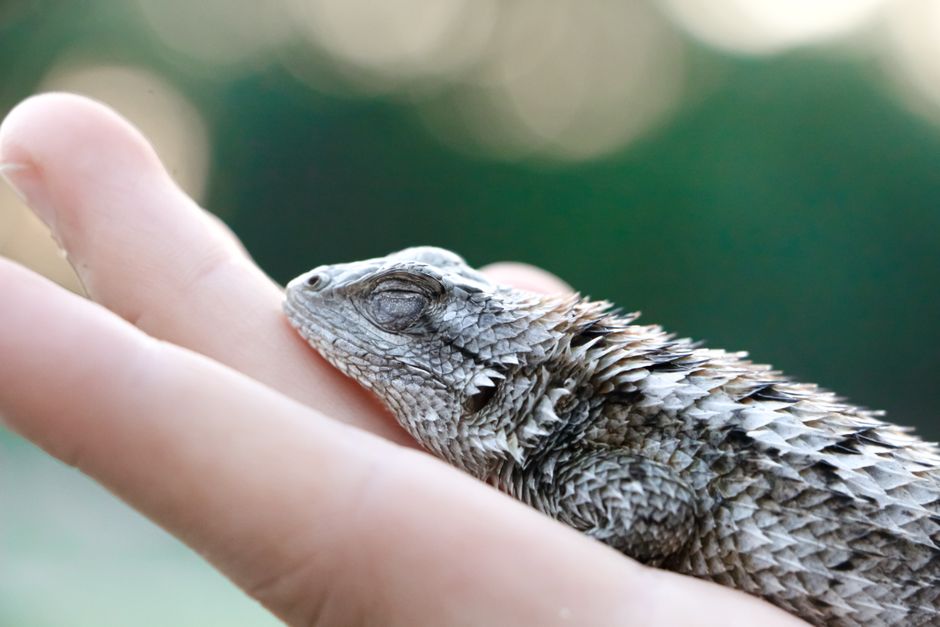
Reptile Calming Kit Guide: Signs, Uses, and Care
Discover how a reptile calming kit works, key signs of stress in pet reptiles, and practical tips to keep your scaled companion feeling safe.