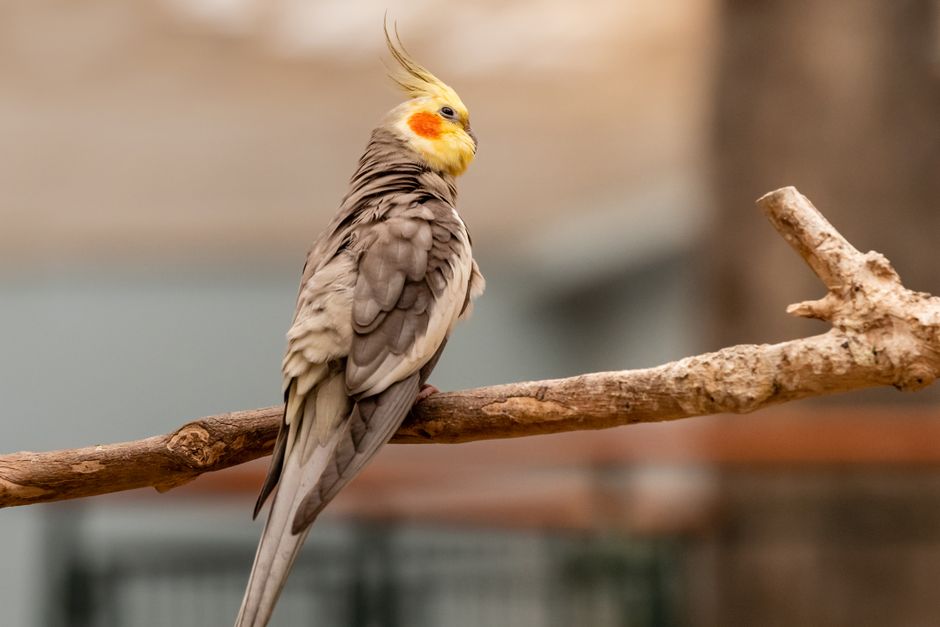
Cockatiel Night Frights: Causes and How to Stop Them
Waking up to loud thrashing, flapping wings, and panicked hissing from your bird cage is terrifying for any bird parent. Cockatiel night frights are sudden episodes of severe panic that occur in the dark, causing a cockatiel to flap blindly and crash against its cage bars. These episodes are common across this Australian parrot species, but simple adjustments to your room setup can prevent injuries and help your bird sleep calmly.
Understanding why these panic attacks happen is the best way to keep your cockatiel safe. In this guide, you will learn the primary triggers, what to do during an active scare, and practical steps to create a secure sleeping space.
What Causes Cockatiel Night Frights?
Cockatiel night frights are caused by sudden sensory disturbances in the dark that trigger a bird's wild prey instinct to flee from danger. In the wild, cockatiels roost in flocks and escape predators by launching instantly into flight when startled. In a dark room, even tiny noises or unfamiliar shadows make a pet cockatiel believe it is under attack.
Because cockatiels have limited night vision, they cannot evaluate what made the sound once lights are off. When startled awake, instinct takes over before reason. Instead of looking around, your bird attempts to fly upward and away to survive. Confined inside a cage, this survival reflex leads to violent flapping against bars, perches, and toys.
Common Sensory Triggers in the Home
Many household events can spark a fright without you realizing it. Even familiar sounds take on a threatening quality when your bird cannot see its surroundings clearly.
- Headlights from passing cars sweeping across the ceiling or walls.
- Vibrations or sudden sounds from air conditioners, refrigerators, or heaters kicking on.
- Drafts of cold air moving through windows or doorways.
- Insects or small pests crawling on or near the cage mesh.
- Muffled sounds from other pets, such as a cat walking nearby or a dog barking outside.
As a welfare note, research your bird's environmental needs before bringing one home, and always consult an exotic-animal veterinarian if night panics lead to bleeding, limping, or persistent distress.
What Should You Do During an Active Night Fright?
When an episode occurs, immediately turn on a dim or indirect light and speak to your cockatiel in a quiet, soothing voice to help it realize it is safe. Do not turn on blinding overhead ceiling lights right away, as sudden brilliant light can cause additional disorientation. A soft lamp or hallway light helps your bird focus on familiar surroundings and recognize you.
Stay near the cage and repeat calm phrases with a steady tone. Hearing your voice provides an instant social cue that breaks the panic cycle. Avoid reaching your hands into the cage while your cockatiel is still frantically flapping, because your hands may look like an approaching predator in the dim light. Give your bird a minute to catch its breath on a perch before you attempt to open the cage door.
How Do You Check Your Cockatiel for Injuries After a Fright?
To check your cockatiel for injuries after an episode, bring up the room lighting slowly and inspect its wings, beak, nares, and feet for active bleeding or broken feathers. Thrashing against metal bars frequently causes bent or snapped blood feathers, bruised wing tips, and scraped cere tissue. When checking your bird after a fright, knowing your cockatiel anatomy helps you spot injured blood feathers or bruised wing joints quickly.
If you see a broken blood feather that is actively leaking blood, you must act promptly. Keep a bird-safe styptic powder or clean cornstarch in your pet first aid kit. Applying gentle pressure with a pinch of cornstarch against the bleeding shaft usually stops minor oozing. If bleeding continues, or if your bird holds one wing lower than the other, contact an avian vet immediately for professional treatment.
Watch your cockatiel for the next hour to ensure normal breathing resumes. A frightened bird will pant with an open beak and hold its crest flat against its head. Once your pet preens its feathers and perches on one foot, you know its heart rate has settled back to normal.
How Can You Prevent Cockatiel Night Frights?
You can prevent cockatiel night frights by adding a dedicated nightlight near the cage, partially covering the cage instead of blocking all light, and clearing cluttered perches. Cockatiels do best when they can make out the outlines of their food bowls and roosting spots overnight. Total darkness leaves them blind and vulnerable, which dramatically increases the chance of panic.
Create a Predictable Sleep Routine
Cockatiels thrive on consistency. Setting up an undisturbed sleeping area helps your bird rest deeply and lowers overnight stress levels.
- Place a small plug-in nightlight a few feet away from the cage so the interior receives gentle, indirect illumination.
- Leave one side of the cage cover open so air circulates freely and your bird can see out into the room.
- Rearrange toys and hanging ladders so the area around your bird's favorite sleeping perch remains completely clear of obstacles.
- Use a white noise machine or soft fan in an adjacent room to drown out random outdoor sounds.
If your main living room has late-night activity from family members, consider setting up a dedicated smaller sleep cage in a quiet bedroom. Moving your cockatiel to a dark, peaceful room at the same time each evening builds security and eliminates unexpected visual disturbances.
Final Thoughts
Dealing with cockatiel night frights can be nerve-wracking, but simple adjustments like installing a nightlight and securing a quiet room usually solve the problem. Paying attention to what startles your bird allows you to build an overnight environment where your pet feels protected. Explore our other RarePetCare guides to learn more practical tips for keeping your exotic birds happy and healthy.
Frequently Asked Questions
Do nightlights really stop cockatiel night frights?
Yes, a dim nightlight allows your cockatiel to see perches and identify harmless sounds, which prevents the blind panic that causes thrashing.
Should I completely cover my cockatiel's cage at night?
It is best to leave at least one side uncovered so your cockatiel can see dim light and avoid feeling trapped when startled.
Are cockatiel night frights dangerous?
Yes, violent thrashing in a dark cage can break growing blood feathers, fracture delicate wing bones, or cut the bird's face and feet.
Why do cockatiels get night frights more than other parrots?
Cockatiels are ground-foraging prey birds with heightened flight reflexes and poorer night vision compared to larger parrots, making them naturally jumpy in the dark.
Explore More Birds Guides
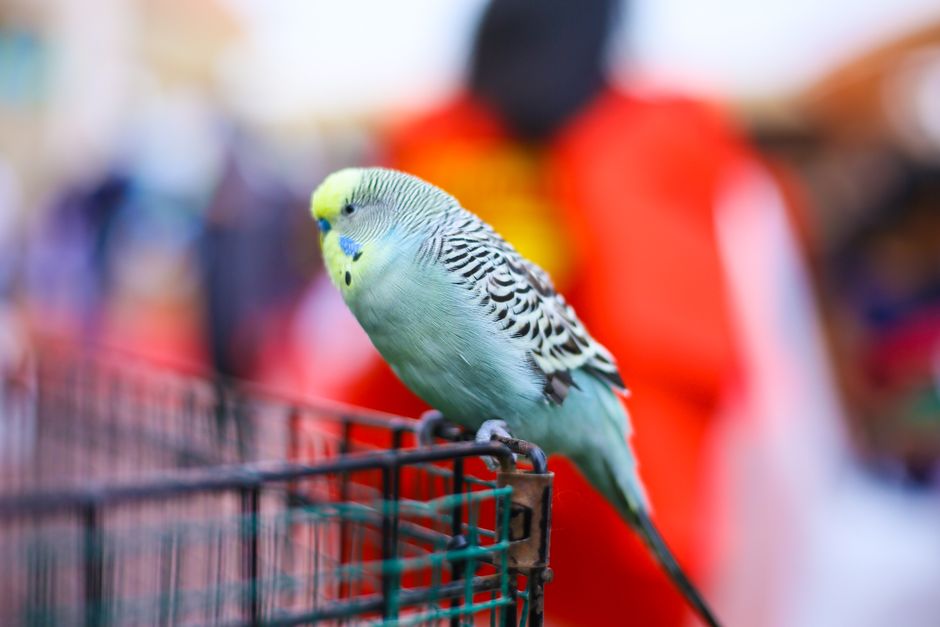 🦜Birds
Why Is My Budgie Puffed Up? Causes and Next Steps
Discover why budgies puff up their feathers, how to tell relaxed behavior from illness, and what to do if your bird feels unwell.
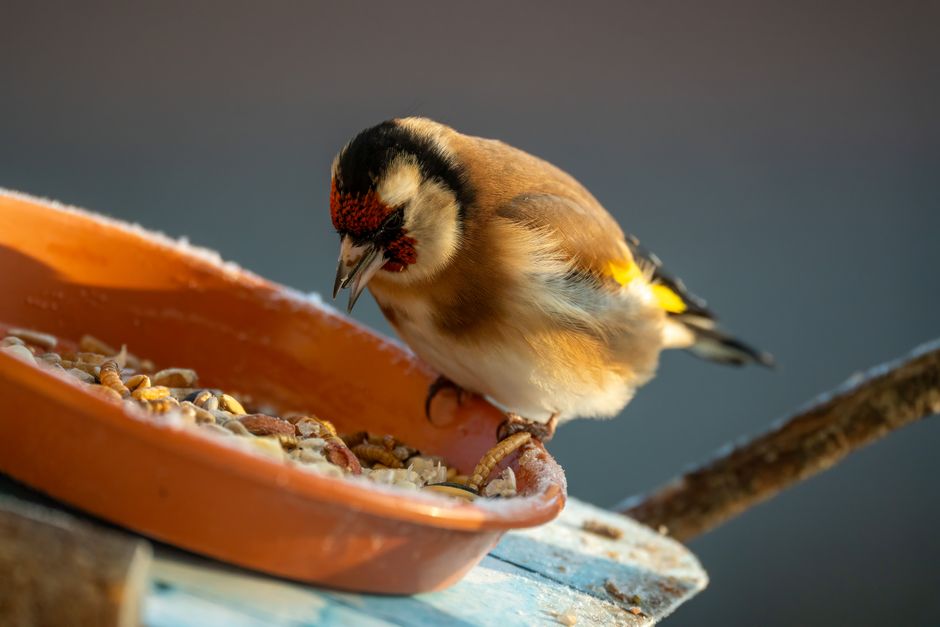 🦜Birds
Bird Flu Backyard Feeders: Is It Safe to Feed Birds?
Feeding wild birds brings nature close, but bird flu risks at backyard stations mean pet parents must take precautions.
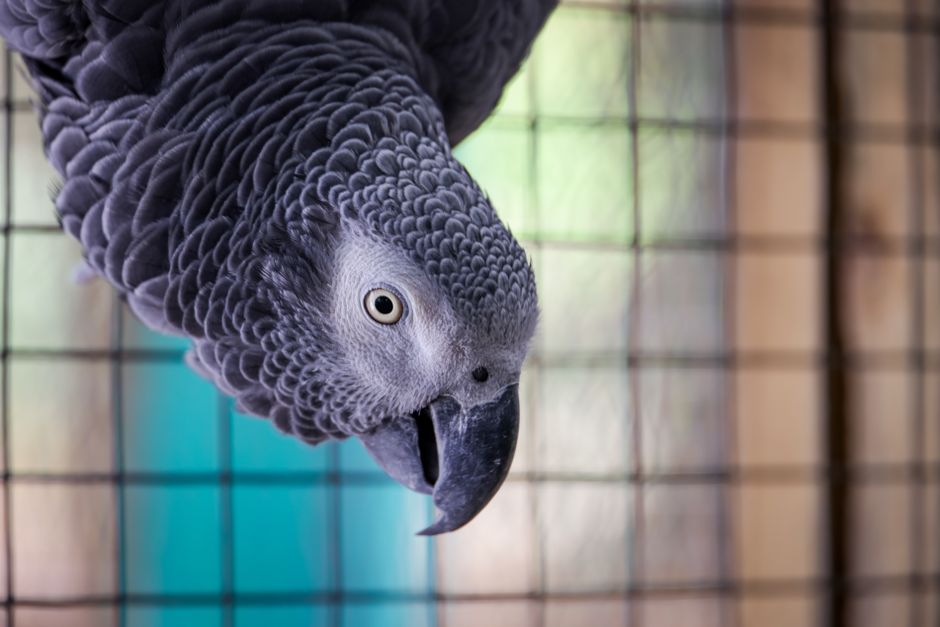 🦜Birds
Wild Parrots of San Francisco: Rescue and Urban Life
A wild red-masked parakeet was freed by firefighters in San Francisco, showing the unique challenges feral parrot flocks face in the city.