Corn Snake vs Ball Python: Which Pet Snake Is Best?
Deciding between a corn snake and a ball python comes down to whether you prefer an active, curious explorer or a slow-moving, calm lap snake. While both species make outstanding choices for first-time reptile keepers, they have distinct care needs, temperaments, and feeding behaviors that suit different owner lifestyles.
When comparing a corn snake vs ball python, corn snakes are generally hardier, more active, and less prone to skipping meals. Ball pythons are heavier-bodied, shy, and gentle, but they demand higher humidity levels and can be finicky eaters. Choosing the right one depends on your enclosure budget, handling goals, and willingness to manage habitat humidity.
Corn Snake vs Ball Python: Temperament and Handling
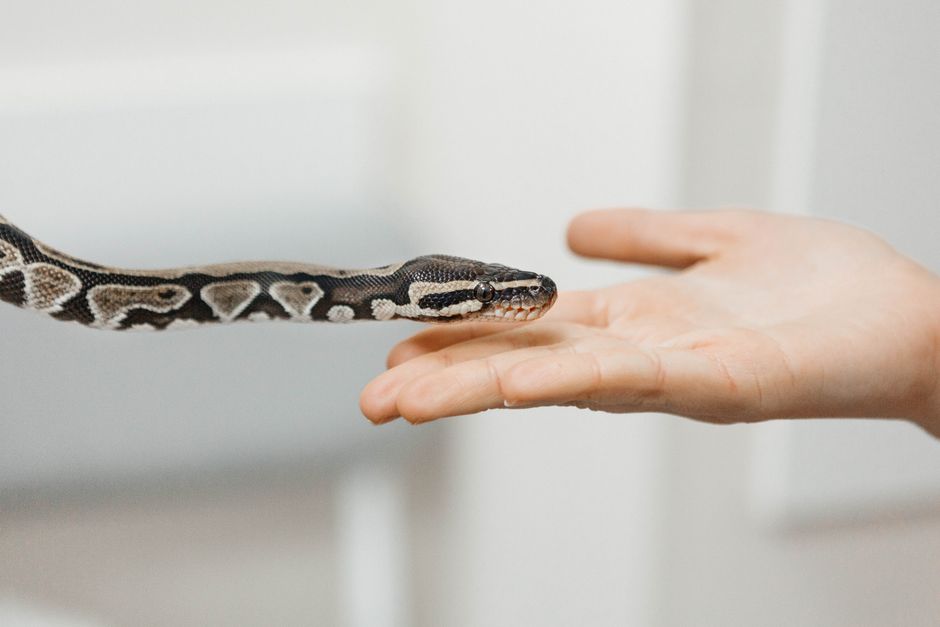
Corn snakes are active, slender, and fast-moving explorers during handling sessions, whereas ball pythons are heavy-bodied, slow, and tend to curl gently around your arm. If you want a snake that sits still while you relax, a ball python is ideal, but if you prefer watching an inquisitive reptile investigate its surroundings, a corn snake is the better fit.
Young corn snakes can be flighty when you first pick them up. They may dart through your fingers or wiggle rapidly until they realize you are not a predator. As they mature with regular, gentle handling, they calm down significantly. They rarely bite and usually stay on the move during handling sessions.
Ball pythons get their common name from their defense mechanism. When frightened, they tuck their head inside a tight ball of coils rather than striking or fleeing. Unlike wild elapids where fear leads to intense defensive strikes, as seen in black mamba behavior, captive ball pythons almost always default to hiding. Once a ball python feels safe, it slowly uncurls and moves at an easy, deliberate pace.
Which Snake Tolerates Beginners Better?
Corn snakes tend to forgive beginner handling mistakes more easily because they do not stress out as quickly as ball pythons. A stressed ball python will often hide for days and refuse food, while a corn snake usually bounces back quickly from minor disturbances.
Enclosure Size and Habitat Requirements
Ball pythons require tropical humidity and a wider floor space, while corn snakes thrive in moderate, room-level humidity and benefit from added enclosure height. Meeting these environmental parameters is essential for shedding health and respiratory wellness in both species.
Corn snakes originate from temperate regions of North America. They do very well in standard glass terrariums or wooden vivariums with screen tops because they do not require high ambient humidity. A simple water dish and a light misting during shed cycles are usually enough to keep their skin healthy.
Ball pythons originate from central and western Africa, where they spend daylight hours in humid rodent burrows and termite mounds. Standard screen-top glass tanks often let too much moisture escape, leading to dry air and stuck shed. Solid-topped PVC enclosures or tubs work best for ball pythons to trap humidity without creating soggy substrate.
Here is what you need to prepare for each species:
- Corn snake setup: Moderate enclosure length, secure locking lid, warm-to-cool thermal gradient, climbing branches, and dry wood-shaving or coconut fiber bedding.
- Ball python setup: Enclosure with solid top to retain humidity, heavy water bowl for soaking, deep hides on both warm and cool sides, and moisture-holding substrate like cypress mulch or coconut husk.
Feeding Habits and Common Appetite Issues
Corn snakes are enthusiastic, reliable eaters that rarely skip a meal, while ball pythons are notorious for going on seasonal or stress-related hunger strikes. For beginners who get anxious when a pet refuses food, corn snakes provide a much more straightforward feeding experience.
A healthy corn snake will eagerly take frozen-thawed mice from feeding tongs throughout its entire life. They possess strong metabolisms and rarely hesitate during feeding days. It is very uncommon for a corn snake to refuse meals unless it is preparing to shed its skin or experiencing enclosure temperatures that are far too cold.
Ball pythons can be selective about prey color, size, and temperature. A ball python might eat steadily for months and then abruptly stop eating during winter months or when subtle changes occur in its habitat. While adult ball pythons can safely handle short fasting periods without losing dangerous amounts of body weight, these feeding strikes often cause significant stress for new reptile owners.
Adult Size, Lifespan, and Long-Term Commitment
Both snakes grow to a manageable adult length between four and six feet, but ball pythons are significantly thicker and heavier than slender corn snakes. Both species represent a long-term commitment, frequently living for twenty to thirty years when properly maintained in captivity.
A full-grown corn snake appears longer and more agile because of its slender, whip-like build. Their lighter body mass makes them easy to hold with one hand, and they rarely feel heavy during handling. They fit comfortably in standard front-opening reptile enclosures once fully grown.
A full-grown ball python carries substantial muscle mass and weight compared to a corn snake of the same length. Holding an adult ball python feels like holding a solid, muscular weight. Before purchasing either species, research its full adult housing footprint and ensure you have access to a qualified exotic-animal veterinarian for routine wellness checks.
Space and Budget Comparisons
Because corn snakes are lighter, their cage accessories, heating elements, and decor are often less expensive to start with. Ball pythons need sturdier branches, heavier water bowls they cannot tip over, and dedicated humidifying equipment, which can slightly increase initial setup costs.
Which Pet Snake Fits Your Lifestyle?
Choose a corn snake if you want an active, low-maintenance reptile that feeds reliably and thrives in normal household humidity. Choose a ball python if you prefer a quiet, heavy-bodied snake that enjoys calm handling and you are willing to manage higher humidity levels.
Consider your personal daily routine when making your decision. If your home tends to be dry and you do not want to constantly monitor hygrometers, a corn snake will make your life much simpler. If you live in a humid climate or enjoy creating enclosed, tropical micro-climates, a ball python is a rewarding companion.
Here is a quick checklist to help you decide:
- Pick a corn snake if you want guaranteed feeding responses and a snake that stays active on your hands.
- Pick a corn snake if you plan to use a standard screen-top glass terrarium in a dry room.
- Pick a ball python if you want a calm, stationary snake that rests quietly in your lap during evening relaxation.
- Pick a ball python if you are comfortable investing in a PVC enclosure to maintain proper tropical humidity.
Final Thoughts
Evaluating a corn snake vs ball python highlights two very different yet equally wonderful reptile companions for modern homes. Whichever snake you choose, providing the right temperatures, secure housing, and proper humidity ensures a thriving pet for decades to come. Explore our other reptile care guides to learn more about setting up habitats, managing sheds, and keeping exotic pets happy.
Frequently Asked Questions
Is a corn snake or ball python better for a first-time owner?
A corn snake is usually better for first-time owners because it rarely refuses meals and tolerates standard room humidity much better than a ball python.
Do corn snakes or ball pythons bite more often?
Both species rarely bite as adults, though baby corn snakes may nip when startled and ball pythons typically ball up to hide instead of striking.
Can a corn snake and a ball python live in the same cage?
No, both corn snakes and ball pythons are solitary animals that must be housed separately to prevent extreme stress and potential injury.
Which snake gets bigger, a corn snake or a ball python?
Corn snakes and ball pythons reach similar lengths of four to five feet, but ball pythons are significantly thicker, heavier, and more muscular.
Explore More Reptiles Guides
 🦎Reptiles
Can Tortoises Eat Tomatoes? Safe Diet Guide
Wondering if tortoises can eat tomatoes? Learn why the plant is toxic, how fruit affects digestion, and what greens are safer for your pet.
 🦎Reptiles
What Is a Baby Turtle Called? The Real Name Explained
Discover the true name for a baby turtle, why common naming myths exist, and how young hatchlings develop into adulthood.
 🦎Reptiles
How to Sex a Lizard: Complete Identification Guide
Discover how to sex a lizard accurately at home using visual traits, femoral pores, and safe handling techniques.