Black Mamba Behavior: How These Snakes Really Act
Many people view the black mamba as an aggressive monster ready to strike at any moment. The reality of black mamba behavior is far more complex and fascinating. Black mamba behavior combines intense alertness, remarkable speed, and a surprisingly strong sense of natural curiosity that sets this species apart from other venomous snakes.
Black mambas are large elapids native to sub-Saharan Africa. While they possess potently venomous bites, they are active, highly intelligent hunters that rely heavily on their senses to evaluate surroundings, find food, and avoid human contact whenever possible.
Is Natural Curiosity a Key Part of Black Mamba Behavior?
Yes, natural curiosity is a defining part of black mamba behavior that distinguishes them from many other elapids. While most venomous snakes hide or flee immediately when disturbed, black mambas often investigate subtle movements and novel objects in their environment before choosing to retreat.
Professional snake handlers frequently observe this trait during rescues in regions like KwaZulu-Natal, South Africa. When a mamba makes its way into a suburban roof space or ceiling cavity, forcing the animal out directly can be extremely dangerous. The snake may panic and strike defensively if it feels trapped.
Instead of using aggressive tools immediately, experienced handlers exploit the snake's natural desire to explore. By gently tapping near an opening or creating small, rhythmic motions, the handler invites the snake to peak out. The inquisitive reptile moves forward to see what is happening, allowing the rescuer to secure it safely without unnecessary harm.
How Do Black Mambas React to Human Presence?
Black mambas usually react to humans by attempting a fast, quiet escape long before a person ever notices them. They are naturally shy creatures that rely on their impressive speed to avoid conflict, turning aggressive only when cornered or threatened with no clear exit.
In wild environments and suburban edges, a mamba will usually slip away into dense bush or up into high tree branches. Human encounters happen most often when a snake is caught off guard or trapped inside a building where human activity blocks its escape path.
What Signs Show a Mamba Feels Threatened?
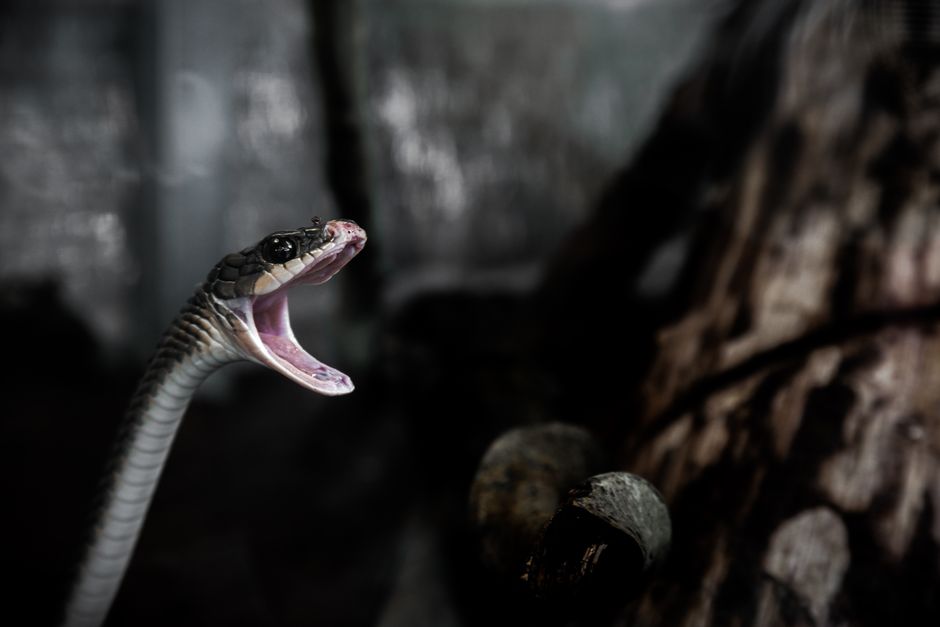
When a black mamba feels cornered, it displays clear visual and audible warning signs to intimidate the threat. The snake rears the front third of its body off the ground, spreads a narrow neck hood, and opens its mouth wide to display the ink-black interior.
It may also produce a loud, persistent hiss. Unlike species that drop body parts to escape predators, such as the defense seen in a crested gecko tail drop, the mamba stands its ground and relies entirely on visual threat displays to clear a path for escape.
Why Do Black Mambas End Up in Suburban Homes?
Black mambas enter suburban homes and ceiling spaces while searching for shelter, stable temperatures, and rodent prey. As human development expands into natural habitats, suburban roof cavities offer ideal shelter and easy access to food.
Ceiling insulation provides warmth during cool nights and protection from predators during vulnerable times, such as shedding cycles. In addition, residential properties often attract rats, mice, and birds, creating an abundant hunting ground for an active predator.
Here are the main factors that draw mambas into human dwellings:
- Abundant prey populations like rats, mice, and nesting birds.
- Warm ceiling cavities that provide temperature regulation and safety.
- Quiet, dark roof spaces where the snake remains undisturbed.
- Easy entry points through loose roof tiles, fascia boards, or open vents.
While these snakes are fascinating to study, wild venomous reptiles should never be kept as pets or handled by homeowners. If you ever spot a snake in or near your home, always contact a certified local professional for safe removal and guidance.
How Do Handlers Safely Remove Mambas from Ceilings?
Snake handlers safely remove black mambas from ceiling spaces by using specialized hooks, tongs, and behavioral coaxing rather than force. By remaining calm and taking advantage of the snake's natural curiosity, handlers guide the reptile out into an open space where it can be contained.
Working inside tight rafters or attic insulation requires high focus and control. A startled mamba can move at remarkable speeds, making hasty actions dangerous for everyone involved.
Step-by-step Handler Techniques in Roof Rescues
Handling a high-stakes rescue requires clear preparation and strict safety protocols. Just as responders must manage panic and stress during an emergency parrot rescue, snake rescuers rely on calm, deliberate movements to keep the animal relaxed.
Rescuers follow specific steps during roof removals to ensure a successful outcome:
- Establish visual contact before attempting any physical movement.
- Clear all unnecessary people and domestic pets from the room below.
- Gently tap or trigger curiosity to guide the snake toward an exit gap.
- Use long snake tongs or hooks to support the body without squeezing hard.
- Transfer the snake directly into a secure, ventilated transport tube or bag.
What Makes Mamba Behavior Different from Other Snakes?
Black mambas differ from other snakes because of their acute spatial awareness, rapid decision-making skills, and distinct visual alertness. Unlike heavy-bodied constrictors or ambush adders that rely on camouflage, mambas scan their environment constantly and move with great intent.
Their high metabolic rate and active hunting style require high intelligence and sensory focus. They process visual movement very quickly, reacting to changes in their territory faster than most other African elapids.
This heightened sensory awareness explains why mambas notice tiny changes in their surroundings. It also explains why a gentle, curious approach by a skilled handler works far better than trying to overpower the snake physically.
Final Thoughts
Understanding real black mamba behavior helps dispel long-standing myths about these magnificent, highly misunderstood reptiles. While they are dangerous, their natural curiosity and desire to avoid conflict show a complex animal just trying to survive. Explore more RarePetCare guides to learn all about exotic reptile species and practical wildlife care tips.
Frequently Asked Questions
Are black mambas naturally aggressive toward humans?
No, black mambas are shy reptiles that prefer to avoid humans whenever possible. They only show aggressive defense behavior if they feel cornered or threatened without an exit option.
Do black mambas really chase people?
No, black mambas do not actively hunt or chase people. Reports of mambas chasing humans usually stem from the snake fleeing rapidly toward a hiding spot that happens to be in the person's direction.
Why do black mambas open their black mouth when threatened?
Opening the black mouth is a stark visual threat display meant to scare off potential predators. The contrast of the dark lining against its body signals that the snake is alarmed and ready to strike if pushed further.
What should you do if you encounter a black mamba inside your home?
Stand still, slowly back away to a safe distance, and keep eyes on the snake if possible. Immediately call a licensed, professional snake handler to remove the reptile safely.
Explore More Reptiles Guides
 🦎Reptiles
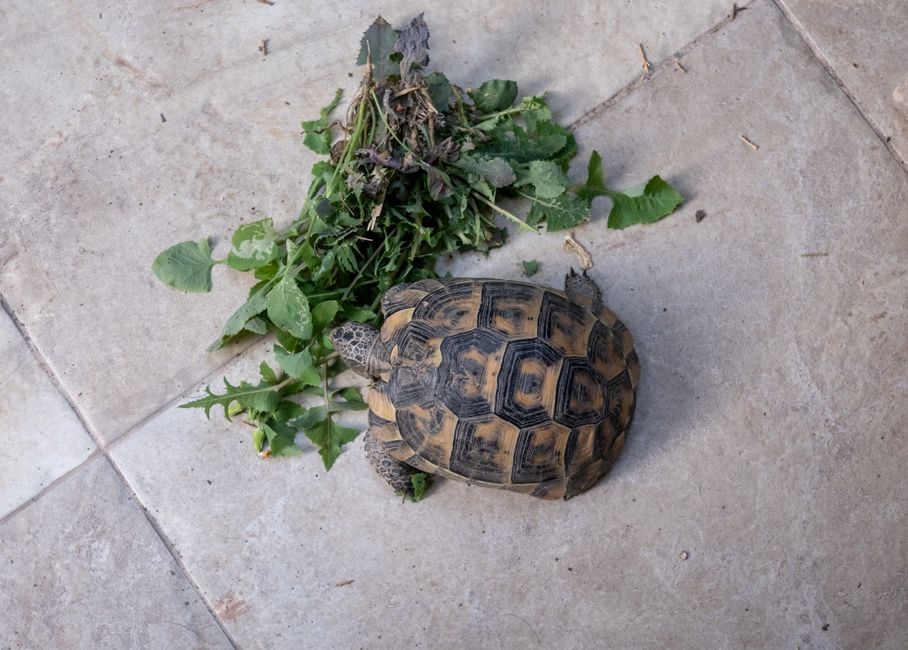
Can Tortoises Eat Tomatoes? Safe Diet Guide
Wondering if tortoises can eat tomatoes? Learn why the plant is toxic, how fruit affects digestion, and what greens are safer for your pet.
 🦎Reptiles
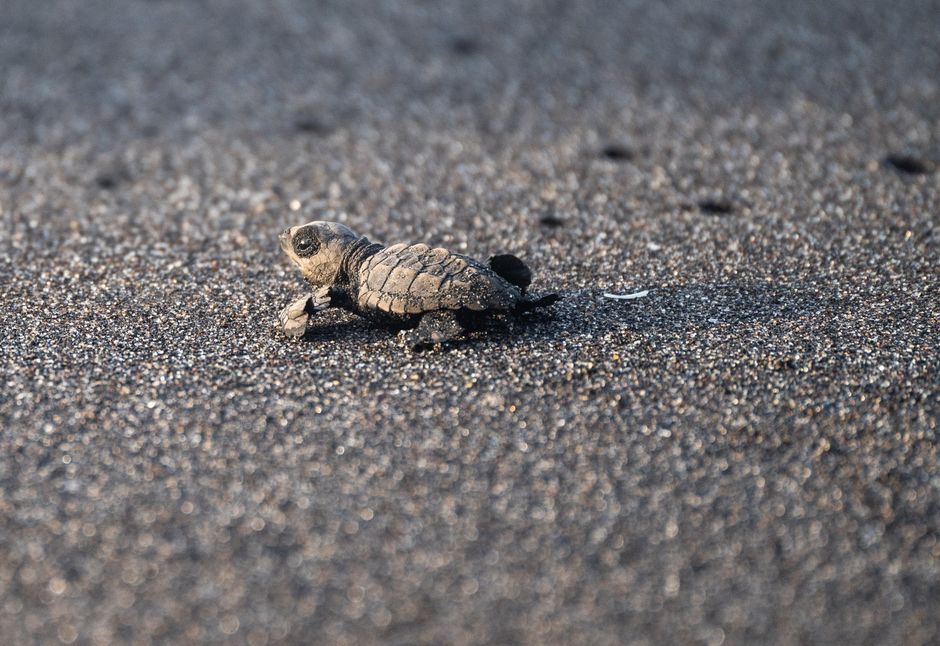
What Is a Baby Turtle Called? The Real Name Explained
Discover the true name for a baby turtle, why common naming myths exist, and how young hatchlings develop into adulthood.
 🦎Reptiles
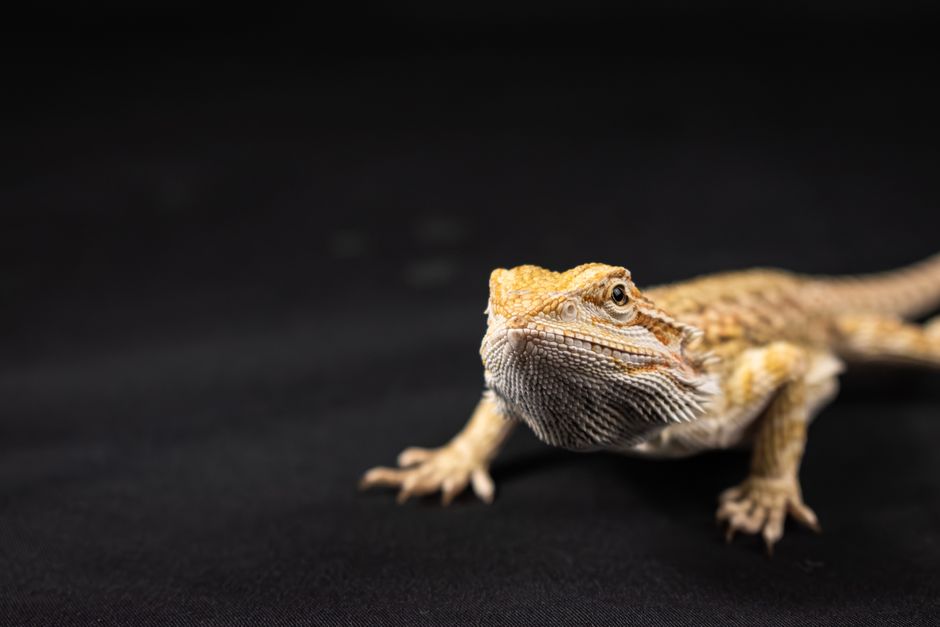
How to Sex a Lizard: Complete Identification Guide
Discover how to sex a lizard accurately at home using visual traits, femoral pores, and safe handling techniques.