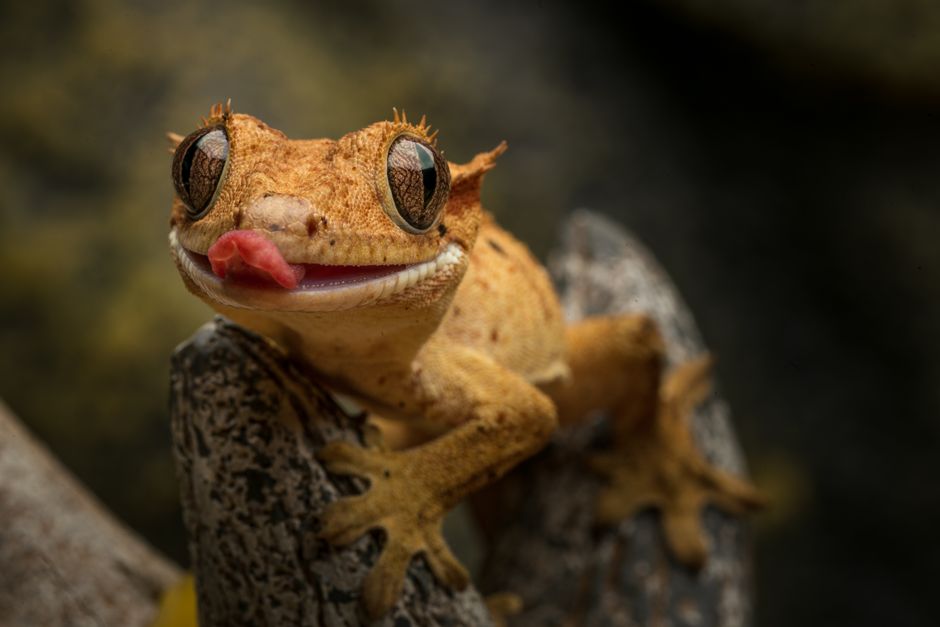
Crested Gecko Tail Drop: Causes and Care Guide
Crested gecko tail drop occurs when a crested gecko detaches its tail in response to stress, fear, or physical threat as a natural defense mechanism. While seeing your pet drop its tail can feel alarming, this process is normal and usually heals cleanly with proper care. In this complete guide, you will learn why tail loss happens, how to care for your gecko afterward, and how to create a peaceful habitat for your pet.
Why Does Crested Gecko Tail Drop Happen?
Crested gecko tail drop happens as an automatic survival response when the lizard feels extreme stress, gets startled, or experiences physical pressure on its tail. Special connective tissue and weak points along the tail bones allow the gecko to sever the appendage rapidly to escape danger.
In the wild, a wriggling detached tail distracts predators while the gecko climbs away to safety. In a home enclosure, this reflex can trigger even when no real danger exists. A loud noise, a sudden fall, or an unexpected touch can cause your pet to feel cornered. Once the brain sends the emergency signal, muscle contractions split the blood vessels and tissue cleanly without heavy bleeding.
Handling accidents are another common trigger. Grabbing a crested gecko by its tail or pinching the tail against a branch during tank cleanings will almost always cause the gecko to drop it. Tail loss can also occur if tank mates fight or compete for space inside the cage.
Signs Your Crested Gecko Might Drop Its Tail
Before dropping a tail, a crested gecko often shows clear warning behaviors like wiggling the tail frantically, raising the rear end, or arching its back. The gecko uses tail twitching to direct attention toward the tail and away from its head.
You may also notice your gecko stiffen its body, open its mouth, or make soft squeaking noises. If you observe these warning signs, back away immediately and give your pet space to calm down. Avoid moving your hands inside the tank until the gecko relaxes its posture.
Do Crested Gecko Tails Grow Back?
No, crested geckos do not regrow their tails after dropping them. Unlike leopard geckos or many other lizard species, a crested gecko that loses its tail will live out the rest of its life with a small, rounded stump known as a frog butt.
While losing a tail changes your pet's appearance, it does not shorten their lifespan or harm their overall health. Crested geckos in the wild frequently lose their tails early in life. They adjust quickly to moving, leaping, and climbing without the extra weight.
Your gecko may appear slightly clumsy for the first few days while adjusting its balance. Without a tail to wrap around branches, the gecko relies more heavily on the sticky pads on its toes. Ensure your enclosure has plenty of wide foliage and sturdy ledges to help them feel secure while adjusting.
How to Care for a Crested Gecko After Tail Drop
To care for a crested gecko after tail drop, immediately move the lizard to a clean enclosure lined with damp paper towels and monitor the wound for signs of infection. Keeping the habitat sterile prevents dirt or loose substrate from sticking to the fresh stump while it forms a protective scab.
Remove all loose substrates like coconut coir, soil, or bark chips right away. Replacing these with paper towels for two to three weeks protects the exposed muscle tissue. Change the paper towels daily to keep the environment free from waste and excess bacteria.
Check your cage setup to remove sharp decor or heavy items that could bump against the healing site. Maintain proper humidity levels in the tank so the skin stays hydrated, but avoid over-misting, which can create overly wet conditions that promote mold growth.
Stress can also cause a loss of appetite after tail loss. If your pet stops eating for a couple of days, remain patient and offer fresh food daily. Just as when an invertebrate stops feeding (learn more in our guide on why a tarantula is not eating), stress can temporarily disrupt your reptile's normal feeding routine.
When to Consult an Exotic Veterinarian
You should consult an exotic veterinarian if the tail stump becomes swollen, discolored, oozes pus, or if your gecko stops eating for more than a week. While tail drop wounds usually seal off quickly on their own, open wounds can occasionally contract bacterial infections that require medical intervention.
Always keep a close eye on the healing process over the first month. Contact your exotic vet if you observe any of the following warning signs:
- Excessive redness, swelling, or dark discoloration around the wound site
- Unpleasant odor or liquid discharge oozing from the stump
- Complete loss of appetite lasting beyond several days
- Severe lethargy or inability to stick to tank walls and foliage
How to Prevent Crested Gecko Tail Drop
You can prevent crested gecko tail drop by practicing gentle handling, avoiding sudden movements or loud noises near the enclosure, and housing your gecko alone. Creating a calm environment lowers your reptile's baseline stress and reduces the chance of startle reflexes.
Here are practical habits to keep your gecko calm and secure:
- Always scoop your gecko gently from beneath its belly rather than reaching down from above like a predator.
- Never pull, hold, or restrict your pet by its tail during handling or cleaning.
- Keep dogs, cats, and small children from harassing the enclosure or tapping on the glass.
- Give your gecko plenty of hiding places, such as hanging plants, cork bark tubes, and artificial foliage.
- Avoid housing multiple crested geckos in the same tank, as territorial fighting often leads to tail loss.
Taking these precautions ensures your pet feels safe in its home environment. Remember to research a species' full adult space and environmental needs before bringing one home, as adequate room helps reduce territorial stress and keeps your pet thriving.
Final Thoughts
Experiencing crested gecko tail drop can feel alarming for any pet parent, but your gecko can live a full, happy life without a tail. By keeping their habitat clean, reducing household stress, and monitoring the healing stump, your gecko will adjust smoothly to its new look. Explore more RarePetCare guides to learn simple tips for keeping your exotic pets safe, comfortable, and healthy.
Frequently Asked Questions
Why is my crested gecko's tail twitching?
Tail twitching is often a signal that your crested gecko feels threatened or excited. If startled, the gecko twitches its tail to distract potential predators away from its head before dropping it.
Does tail drop hurt a crested gecko?
Tail drop causes minimal pain because special muscular valves snap shut immediately to close off blood vessels and nerve endings. However, the event is stressful for the lizard, so gentle care is essential while it heals.
How long does a crested gecko tail drop take to heal?
A crested gecko tail drop stump typically closes up and forms a protective scab within three to seven days. Complete healing of the smooth skin over the site takes roughly three to four weeks under clean conditions.
Can crested geckos drop their tails from loud noises?
Yes, sudden loud noises, heavy vibrations, or unexpected household sounds can startle a crested gecko enough to trigger tail loss. Keeping the enclosure in a calm, quiet area of your home minimizes this risk.
Explore More Reptiles Guides
 🦎Reptiles
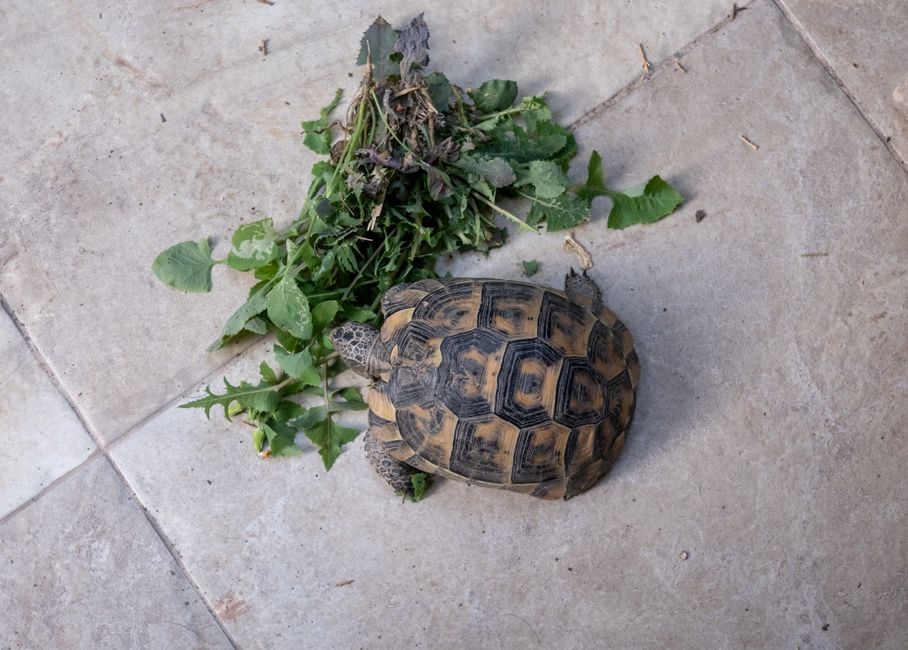
Can Tortoises Eat Tomatoes? Safe Diet Guide
Wondering if tortoises can eat tomatoes? Learn why the plant is toxic, how fruit affects digestion, and what greens are safer for your pet.
 🦎Reptiles
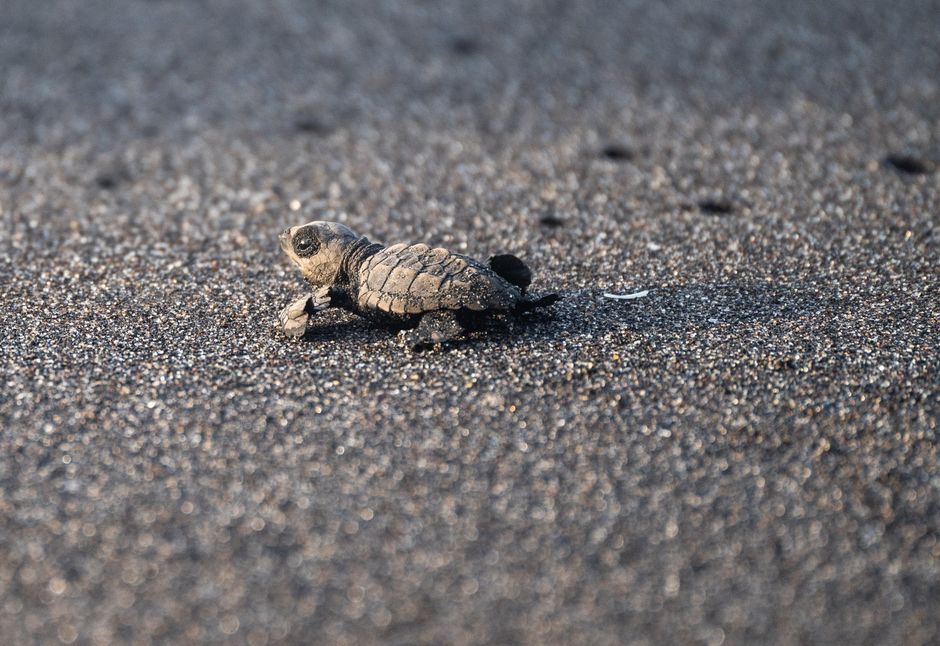
What Is a Baby Turtle Called? The Real Name Explained
Discover the true name for a baby turtle, why common naming myths exist, and how young hatchlings develop into adulthood.
 🦎Reptiles
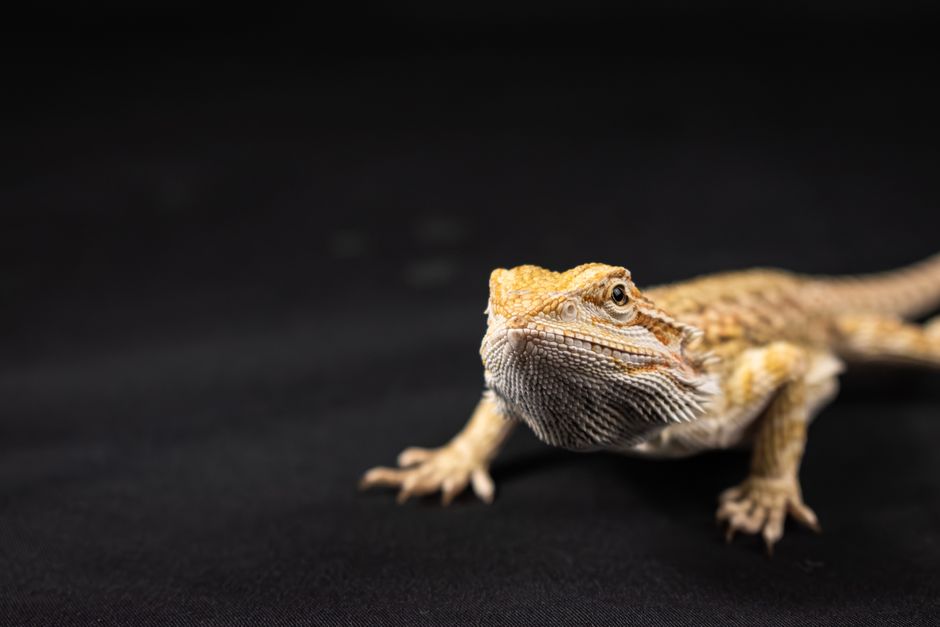
How to Sex a Lizard: Complete Identification Guide
Discover how to sex a lizard accurately at home using visual traits, femoral pores, and safe handling techniques.