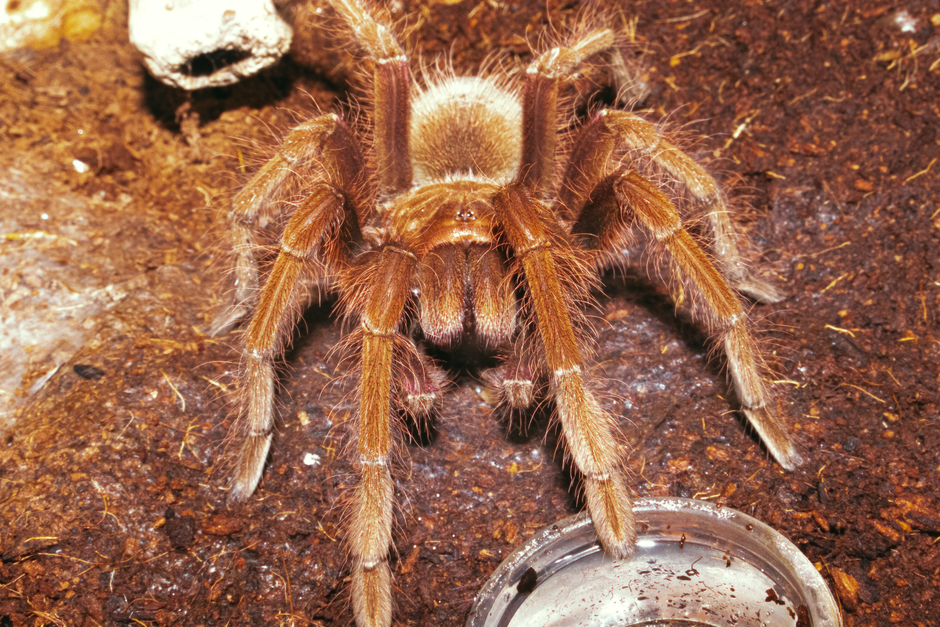
Why Is My Tarantula Not Eating? 5 Common Reasons
Seeing your pet spider turn away a feeder insect can make any pet parent worry. If you are asking yourself why is my tarantula not eating, you might be surprised to learn that long fasts are completely normal behavior. Tarantulas have very slow metabolisms compared to mammals or birds. However, understanding the exact cause will help you keep your eight-legged friend healthy and safe.
Is It Normal for a Tarantula to Stop Eating?
Yes, it is extremely common for a tarantula to stop eating for weeks or even months at a time. Unlike mammals that need regular meals to generate body heat, tarantulas conserve energy remarkably well. A healthy, fully grown spider can easily go long stretches without a meal as long as it has access to clean fresh water.
When a tarantula stops accepting food, it usually means the spider is preparing for a natural life stage or adapting to a recent change. Young spiderlings eat frequently because they grow fast. Adult tarantulas eat much less often. An adult might eat once every few weeks and then suddenly refuse food for a long period without losing noticeable weight.
Instead of focusing only on food intake, pay close attention to your spider's body shape. A plump abdomen means your pet is well nourished and safe. A thin, shriveled abdomen is usually the real sign of trouble.
Why Is My Tarantula Not Eating Before a Molt?
The most frequent answer to why is my tarantula not eating is that your spider is entering a molt cycle. Before shedding its hard outer skeleton, a tarantula goes through a phase called premolt. During this phase, internal body fluids shift to form a new exoskeleton beneath the old one. This delicate process makes eating difficult and uncomfortable for the spider.
During premolt, your spider's stomach lining is actually scheduled to shed along with the rest of its outer skin. Because of this internal transformation, accepting prey becomes physically impossible. Forcing or offering food during this time causes unnecessary stress to your pet.
How to Spot Premolt Signs
You can look for several distinct physical and behavioral signs to confirm your tarantula is in premolt. Observing these cues helps you know when to stop offering food completely.
- A darkening abdomen, especially on species with hairless patches on their backs.
- A sudden refusal to hunt, often kicking prey away or running to a hide.
- Heavy web activity, creating a thick silk mat on the substrate.
- Lethargic behavior and spending almost all day resting inside a burrow or hide.
Once you notice these signs, remove any uneaten prey immediately. Leave a shallow water dish filled with clean water. Your spider needs moisture to complete a successful shed safely.
How Does Enclosure Stress Cause Tarantulas to Refuse Food?
Environmental changes and stress are major triggers that cause tarantulas to refuse prey. If you recently moved your spider into a new enclosure, it may take days or even weeks for them to feel secure enough to hunt. A tarantula needs time to explore, lay down silk trails, and build a safe burrow before its natural appetite returns.
Incorrect enclosure conditions can also stall a tarantula's appetite. If the substrate is too dry or overly wet for that specific species, your spider will spend its energy trying to move away from the soil rather than hunting. Drafts, loud vibrations, and frequent light disturbance can also startle a spider into hiding.
Giving Your Spider Time to Settle
Whenever you rehouse a tarantula or alter its setup, give it uninterrupted calm time. Avoid opening the enclosure or moving decorative items around for several days after a move.
Make sure the enclosure offers adequate hiding spots, such as cork bark tubes or plastic caves. A secure spider is a happy spider, and a spider that feels safe in its home is far more likely to eat regularly. If you keep other invertebrates, like those kept when starting an isopod colony for bioactive setups, try not to disturb the main spider retreat during routine tank maintenance.
What Are the Dangers of Leaving Live Prey in the Enclosure?
Leaving uneaten live insects inside your tarantula's enclosure can lead to severe injury or death for your spider. Crickets, mealworms, and roaches are opportunistic scavengers. If your tarantula begins molting while a live insect is loose in the tank, that insect can bite and fatally injure your defenseless spider.
A molting tarantula is soft and entirely helpless. The newly exposed exoskeleton takes hours or days to harden. During this vulnerable time, even a small feeder insect can chew on your spider's soft joints or abdomen.
Follow a strict routine for feeding safety:
- Offer one feeder insect at a time using long feeding tongs or gentle placement.
- Observe whether your tarantula strikes or turns away within fifteen to thirty minutes.
- Remove any uneaten live prey immediately if the spider ignores or avoids it.
- Wait several days before offering food again if it was refused.
- Never leave live prey in the tank if you suspect premolt has started.
When Should You Worry About a Fasting Tarantula?
While long fasts are usually harmless, there are times when a lack of appetite signals a health problem. The primary visual cue to monitor is the size and proportion of your spider's abdomen compared to its head section.
If the abdomen shrinks drastically, appears shriveled, or looks smaller than the head section, your spider is dehydrated or malnourished. Dehydration is far more dangerous to tarantulas than hunger. A dehydrated spider will lose leg tension and may develop a curled posture, often called a stress curl, where the legs pull inward tightly under the body.
Always research a species' specific environmental requirements before bringing one home to ensure you can provide proper moisture levels. Always ensure a clean water dish is available at all times. If your tarantula displays extreme weakness, a severely shriveled abdomen, or physical injuries, consult an exotic animal veterinarian or an experienced invertebrate keeper for practical advice.
Final Thoughts
Finding out why is my tarantula not eating usually comes down to patience, careful observation, and understanding natural spider behavior. Most of the time, your pet is simply getting ready to molt or taking a natural break after a large meal. By keeping clean water accessible and removing live prey quickly, you keep your pet safe through every stage of growth. Check out our other detailed RarePetCare guides to learn more about safe invertebrate keeping and hands-on exotic pet care.
Frequently Asked Questions
How long can a tarantula go without eating?
An adult tarantula can safely fast for several months or even up to a year if it stays hydrated. Younger spiderlings fast for shorter periods, usually a few weeks before shedding.
Should I remove uneaten crickets from my tarantula's tank?
Yes, always remove live insects within twenty to thirty minutes if your tarantula refuses them. Uneaten insects can bite or fatally harm a molting spider.
Can a tarantula starve itself to death?
Healthy tarantulas will not starve themselves to death if adequate water is provided. Fasting is almost always caused by premolt, environmental stress, or a full stomach.
How do I know if my tarantula is dying or just molting?
A molting tarantula usually flips onto its back and has a plump abdomen. A sick or dying spider stays right-side up with its legs tucked tightly underneath its body in a stress curl.
Explore More Invertebrates Guides
 🕷️Invertebrates
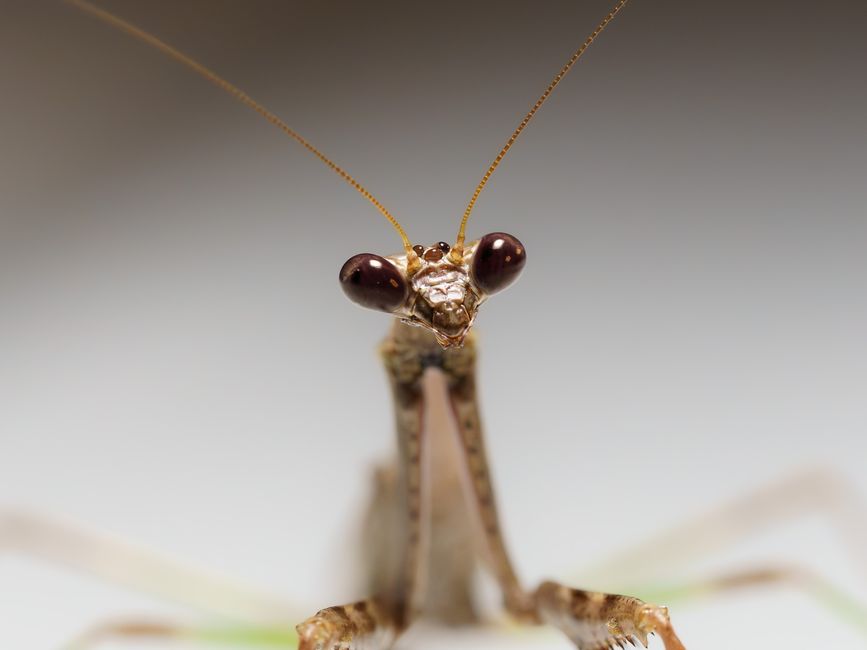
Praying Mantis Not Eating? Key Causes and Fixes
Discover why your praying mantis is refusing food, how to spot premolt signs, and what you can do to get them eating safely again.
 🕷️Invertebrates
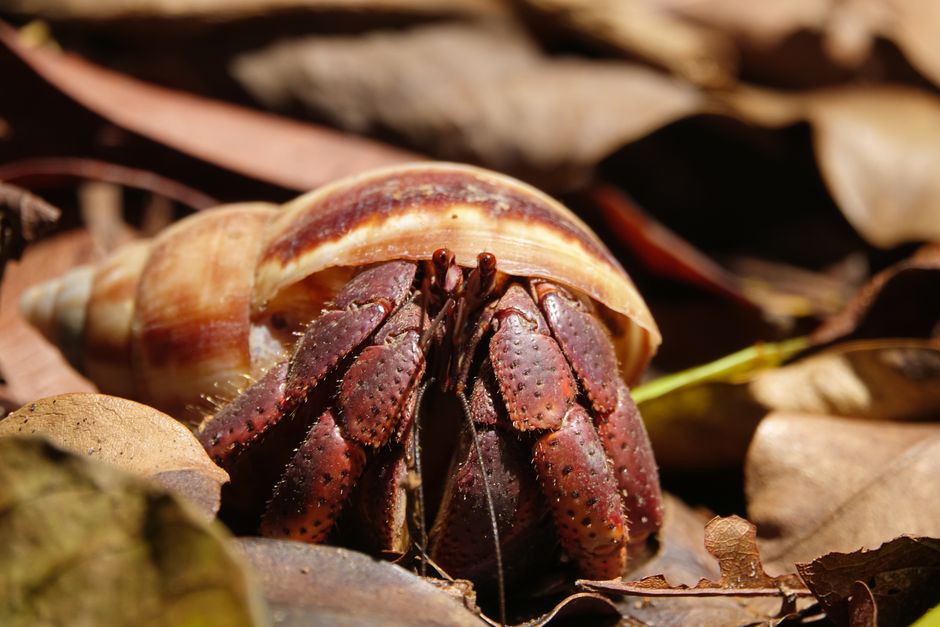
Why Is My Hermit Crab Buried? Key Reasons
Learn why hermit crabs bury themselves in the substrate, how to tell if they are molting, and why you should never dig them up.
 🕷️Invertebrates
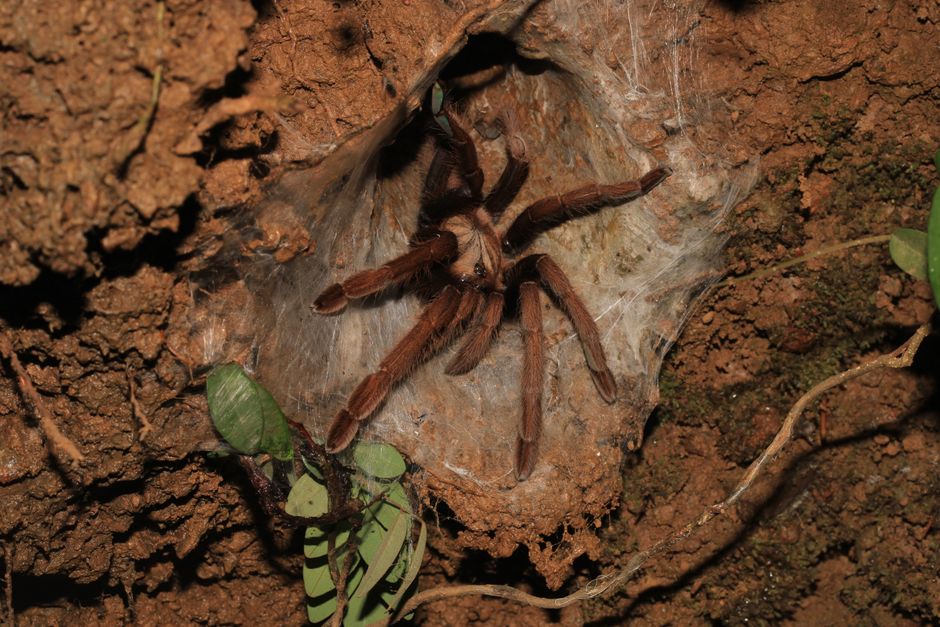
Why Is My Tarantula on Its Back? Molting vs Dying
A tarantula on its back is almost always preparing to molt. Learn how to tell molting from illness and how to keep your pet safe.