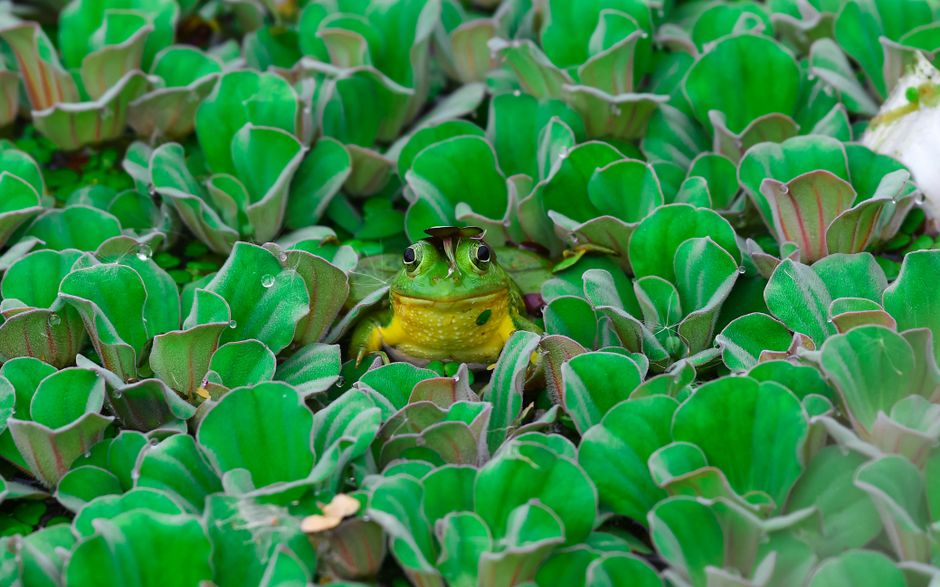
Granular Glass Frog: Why Its Skin Is See-Through
Few creatures on Earth look quite as magical as the granular glass frog. The granular glass frog is a tiny, tree-dwelling amphibian known for its translucent belly that reveals its beating heart, digestive tract, and liver in plain view. While its back is bright lime green, its underside acts like a clear window into its living anatomy.
For exotic pet enthusiasts and nature lovers, seeing this natural transparency in person is astonishing. Understanding how this unusual physical trait works helps pet parents appreciate why these delicate amphibians require such specialized living conditions in captivity.
Why does the granular glass frog have transparent skin?
The granular glass frog has transparent skin primarily for camouflage through edge diffusion, which softens its outline against bright tropical leaves. When sunlight filters through a leaf from above, a solid shadow would alert predators below, but translucent skin allows light to pass through naturally.
In their native rainforests, these tiny frogs spend their days resting motionless on the undersides of wet leaves. If a frog has a solid white or dark belly, a passing bird, snake, or spider looking upward against the bright canopy can easily spot the dark silhouette. By allowing light to filter directly through their abdominal wall, glass frogs blur the hard edges of their bodies. This trick makes them look like nothing more than a faint shadow or water droplet.
Scientists also found that these frogs can pull a huge portion of their red blood cells into their liver while resting. This temporary storage hides the dark red color from their bloodstream, making the frog even more translucent during daylight sleeping hours. When they wake up at night to hunt, the blood cells return to circulation, and the frog becomes active again.
How Edge Diffusion Protects Frogs from Predators
Edge diffusion is different from ordinary color matching. Instead of trying to mimic the exact shade of every leaf, the frog allows the ambient background color to show through its body. This means the frog looks green against a green leaf, but can also blend against slightly yellow or pale vegetation without changing its own pigmentation.
Predators hunt by recognizing shapes and hard outlines. Because the edges of the frog appear soft and washed out in natural sunlight, hunting animals look right past them. It is one of the most effective visual defenses in the animal kingdom.
Which organs can you see inside a glass frog?
Looking through the belly of a glass frog reveals its beating heart, gastrointestinal tract, liver, and sometimes developing eggs inside females. In species like the granular glass frog, a translucent abdominal membrane provides a direct view of normal internal functions in real time.
When you look closely at the underside of a glass frog, several key structures are easily visible:
- The heart, which beats visibly against the chest cavity inside a clear or silvery pericardial sac.
- The digestive tract, which appears as a pale or white coiled tube winding through the lower abdomen.
- The liver, located centrally and often carrying a reddish or white protective coating.
- Egg clusters, which show up as distinct yellow or cream spheres inside mature breeding females.
Interestingly, some glass frog species also have green-tinted bones. This green coloration comes from high concentrations of biliverdin, a bile pigment that stains the skeletal framework without harming the animal. Combined with transparent flesh, this gives the frog an ethereal, glowing appearance under terrarium lighting.
What does the granular glass frog need in a habitat?
A granular glass frog requires a tall, moisture-rich bioactive terrarium with live broadleaf plants, clean misting water, and steady humidity levels to survive. Because their skin is so thin and permeable, poor water quality or dry air can cause rapid dehydration, stress, and severe illness.
Setting up an enclosure for glass frogs is an exercise in building a miniature tropical rainforest. These frogs are completely arboreal, meaning they rarely touch the ground. They need vertical height to climb, jump, and rest on broad leaves like pothos, philodendrons, and bromeliads. Stagnant air is dangerous for them, so pet parents must balance high humidity with gentle ventilation to stop mold and respiratory issues.
Water quality is critical. Amphibians absorb moisture, oxygen, and chemicals directly across their skin. Similar to other sensitive amphibians discussed in our guide on axolotl curled gills and water quality, glass frogs react badly to tap water containing chlorine, chloramines, or heavy metals. Always use reverse osmosis or treated spring water for misting systems and shallow water dishes.
Always research a species' full adult environmental needs before bringing one home, and consult an exotic-animal veterinarian if your frog shows any signs of lethargy or skin discoloration. Glass frogs are display animals, not handling pets, because the natural oils and salts on human hands can easily damage their delicate skin barrier.
How to tell if a granular glass frog is healthy
A healthy granular glass frog will have clear, vibrant green skin on top, bright alert eyes, and an active feeding response at night. Cloudy skin, visible organ swelling, unusual dark spots beneath the translucent belly, or sudden weight loss often indicate bacterial infections or poor husbandry.
Because their undersides are completely visible, pet parents actually have a unique diagnostic tool. You can inspect their internal condition without invasive procedures. A clear, well-formed digestive tract without dark bloat or discoloration is a strong sign of good gut health.
Routine Checks for Amphibian Pet Parents
Perform regular visual checks while your frog rests against the glass or on a clean leaf. Look for a steady heartbeat and clear abdominal fluids. If the fluid inside the belly turns cloudy or milky, it may point to an internal infection that requires prompt veterinary attention.
Check their posture as well. A healthy glass frog tucks its limbs tightly beneath its body while sleeping to conserve moisture. If a frog rests with limbs sprawled loosely during the day, it could be suffering from dehydration, temperature shock, or exhaustion.
Final Thoughts
The granular glass frog is one of the most fascinating creatures in the amphibian world, offering an extraordinary window into living anatomy. Maintaining their sensitive environment takes dedication and careful attention to moisture, but keeping them thriving is deeply rewarding. Explore more of our RarePetCare guides to learn about unique reptiles, amphibians, and other exotic companions.
Frequently Asked Questions
Can you hold a granular glass frog?
You should not hold a granular glass frog because their thin, permeable skin absorbs oils, salts, and chemicals directly from human hands. Handling causes severe stress and can quickly harm their health.
What do granular glass frogs eat?
Granular glass frogs eat small live insects such as flightless fruit flies, pinhead crickets, and springtails dusted with calcium and vitamin supplements.
Are all glass frogs completely see-through?
Not all glass frogs are completely see-through, but most share a translucent belly while maintaining solid green or patterned skin along their backs.
Why do glass frogs sleep on the underside of leaves?
Glass frogs sleep on the undersides of leaves to stay hidden from aerial predators and to keep their thin skin moist in shaded, humid microclimates.
Explore More Amphibians Guides
 🐸Amphibians
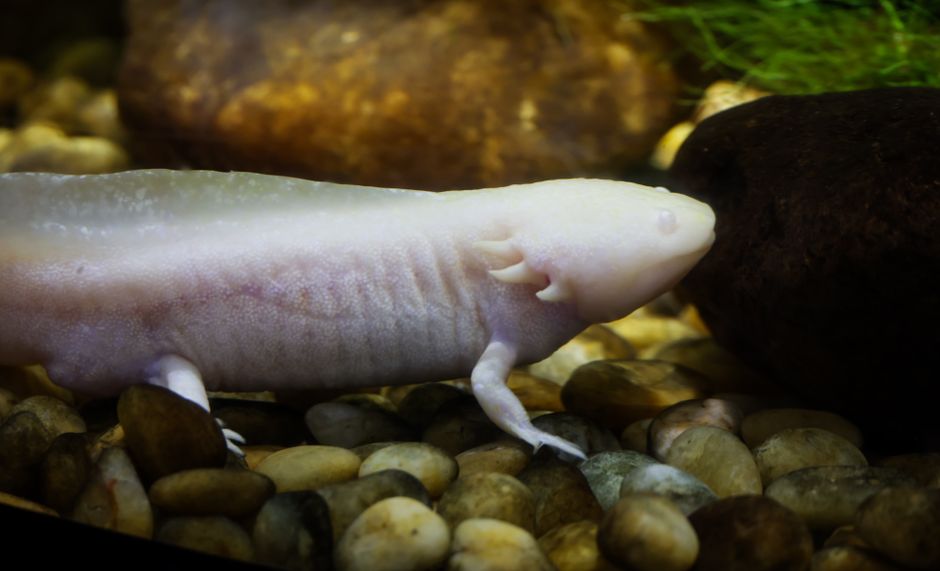
Hellbender Salamander Guide: Facts, Habitat, Care
Meet the hellbender salamander, North America's largest aquatic amphibian known as the snot otter, and discover why rivers need them.
 🐸Amphibians
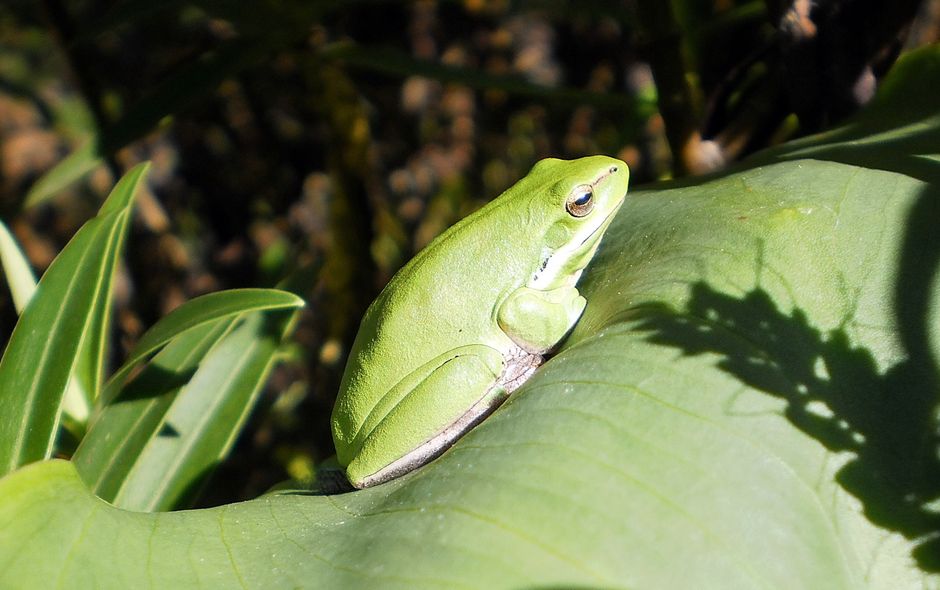
What Do White's Tree Frogs Eat? Complete Diet Guide
Discover the ideal feeder insects, safe portion sizes, and feeding schedules to keep your pet White's tree frog healthy and thriving.
 🐸Amphibians
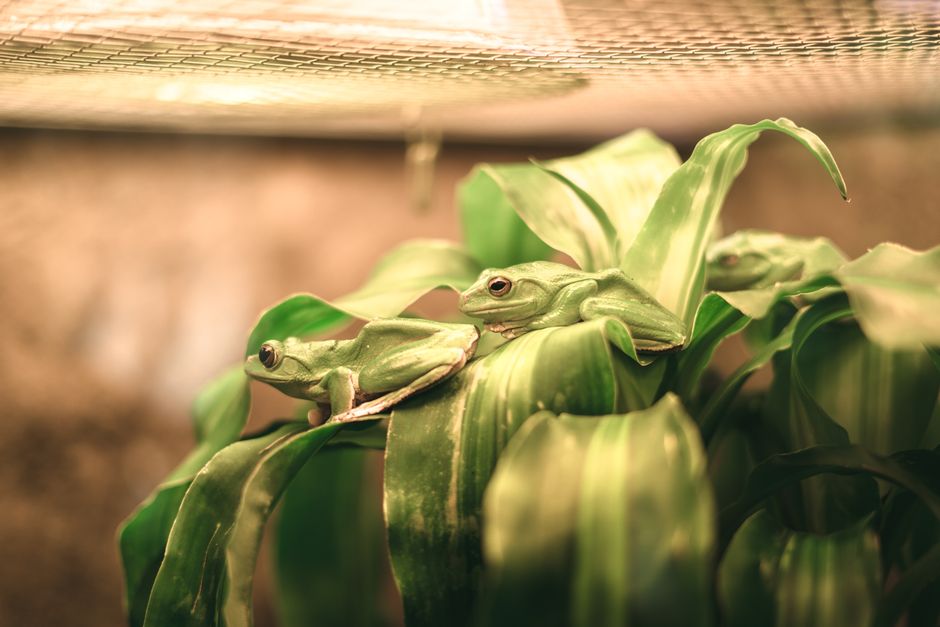
White's Tree Frog Habitat Setup: Beginner Guide
Build the ideal White's tree frog habitat setup with proper tank size, gentle heat, humidity control, and safe substrate choices.