Axolotl Curled Gills: Causes and Safe Care
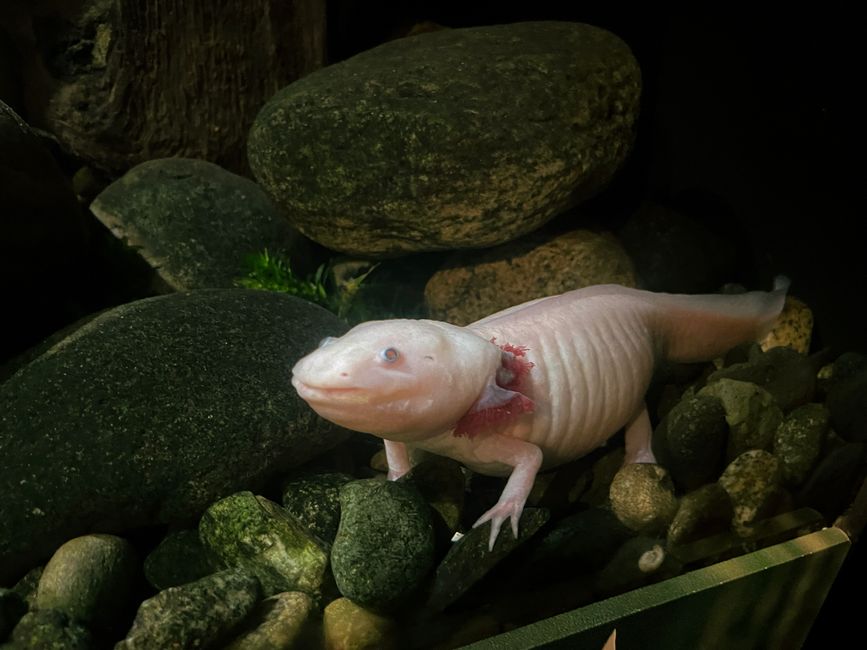
Seeing your pet show signs of distress can make any aquatic keeper worry. Axolotl curled gills occur when an axolotl bends its feathery external gills forward into a distinct candy cane shape, which serves as a primary visual warning sign of acute environmental stress, improper water flow, or poor tank parameters. When you spot this posture, taking quick action helps protect your salamander from illness.
Healthy gills should rest relaxed and fan gently backward toward the body. While occasional movement is normal during feeding or swimming, persistent curling signals that something in the tank needs your attention right away.
What Do Axolotl Curled Gills Mean?
Axolotl curled gills mean that your aquatic salamander is experiencing physical stress from its immediate environment. The forward hook in the gill stalks is an involuntary physical reaction to irritants in the water, improper flow rates, or underlying health problems.
You can tell natural movement apart from true stress by watching how long the curl lasts. If your axolotl flexes its gills forward for a brief second while hunting a pellet and then relaxes them, there is no cause for alarm. However, if the gill stalks stay bent forward tightly toward the face for hours, your pet is telling you that tank conditions are uncomfortable.
Normal Gill Movement vs Stress Curling
Axolotls regularly twitch their external filaments to shake off debris or draw in dissolved oxygen from still water. These quick twitches are entirely normal behavior. Stress curling looks different because the main stalks remain rigidly hooked forward even when the animal rests quietly at the bottom of the enclosure.
What Causes Axolotl Gills to Curl Forward?
The most common cause of forward gill curling is excessive water flow from a power filter or air stone, followed closely by toxic water parameters. Axolotls originate from calm, slow-moving lake systems and lack the physical build to handle strong currents in an aquarium.
When strong water movement buffets their sensitive bodies, their gills curl under the pressure, and the animal becomes exhausted from fighting the current. Other major triggers include dangerous spikes in ammonia or nitrite, high water temperatures, and sudden chemical shifts during water changes.
Here are the key environmental issues that trigger gill curling in pet axolotls:
- Strong filter output that creates continuous turbulence across the tank.
- Detectable levels of ammonia or nitrite that burn delicate skin and gill tissue.
- Water temperatures rising above safe cool ranges for prolonged periods.
- Harsh water conditioning chemicals or heavy metals present in unconditioned tap water.
- Physical irritation from airborne chemicals, room sprays, or dirty substrate.
If you also notice your pet struggling with buoyancy alongside curled gills, check our guide on why is my axolotl floating to address potential trapped gas or impaction.
How to Test and Fix Your Aquarium Water
To fix water quality issues causing curled gills, test your tank immediately using a reliable liquid freshwater test kit. Liquid tests give you an accurate picture of your ammonia, nitrite, nitrate, and pH levels so you can pinpoint the exact imbalance.
Perform a partial water change right away if ammonia or nitrite reads above zero. Always treat fresh tap water with an amphibian-safe water conditioner before adding it to the tank. Avoid chemical treatments containing plant extracts like aloe vera, as these additives can coat sensitive amphibian gills and make breathing difficult.
You should also verify that your tank stays within a cool, stable range. In warm rooms, fans blowing across the water surface or specialized aquarium chillers help maintain proper conditions. As a responsible welfare measure, always research an exotic species' full environmental requirements before setting up your tank, and consult an exotic vet if your pet shows persistent signs of distress.
How to Reduce Filter Flow and Tank Current
You can reduce aggressive filter flow by installing a spray bar, attaching a flow-baffling sponge over the output, or switching to an air-driven sponge filter. Softening the water output allows your axolotl to rest without struggling against moving water.
Position filter outputs toward the glass wall of the tank rather than directly into the open swimming area. This redirection breaks the force of the water stream and creates calm resting pockets near the bottom.
Adding Hiding Spots for Stress Relief
Adding smooth ceramic caves, terracotta pots, or dense artificial plants gives your pet sheltered areas where water currents cannot reach. These visual barriers help timid animals feel secure, lowering overall stress levels. You can learn more about these fascinating creatures in our overview of amazing axolotl facts.
Other Stress Signs to Watch For
Other major warning signs of stress in an axolotl include a curled tail tip, pale or shrinking gill filaments, skin peeling, and complete loss of appetite. When combined with curled gills, these symptoms indicate your pet needs immediate intervention.
A curved tip on the tail often accompanies gill curling when an axolotl feels high environmental stress. If you notice your pet frantically pacing the perimeter of the tank or refusing its favorite earthworms, review your water parameters and temperature right away.
Final Thoughts
Spotting axolotl curled gills early gives you the chance to correct water current, temperature, or chemical balance before your pet develops a serious illness. Regular water testing, gentle filtration, and a calm habitat ensure your salamander stays comfortable and thriving for years to come. Explore our other RarePetCare guides to learn more practical tips for keeping your exotic pets healthy and happy.
Frequently Asked Questions
How fast do axolotl gills uncurl after fixing water parameters?
Axolotl gills typically begin to relax within a few hours to a full day once water flow is reduced and water quality returns to safe levels.
Can cold water cause an axolotl's gills to curl?
No, axolotls naturally thrive in cool water, so cold temperatures rarely cause gill curling unless water drops to near-freezing extremes.
Do juvenile axolotls curl their gills more often than adults?
Young axolotls are much lighter and more sensitive to water flow, making them prone to gill curling if the filter output is too strong for their size.
Is a curled tail tip related to curled gills in axolotls?
Yes, a hooked or curled tail tip is another common stress response that frequently appears alongside curled gills when tank conditions are poor.
Explore More Amphibians Guides
 🐸Amphibians
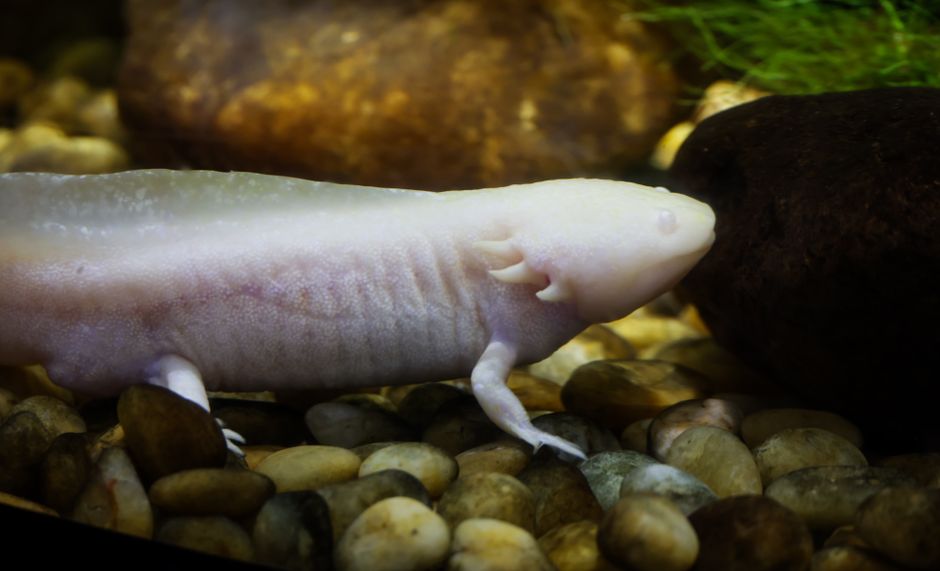
Hellbender Salamander Guide: Facts, Habitat, Care
Meet the hellbender salamander, North America's largest aquatic amphibian known as the snot otter, and discover why rivers need them.
 🐸Amphibians
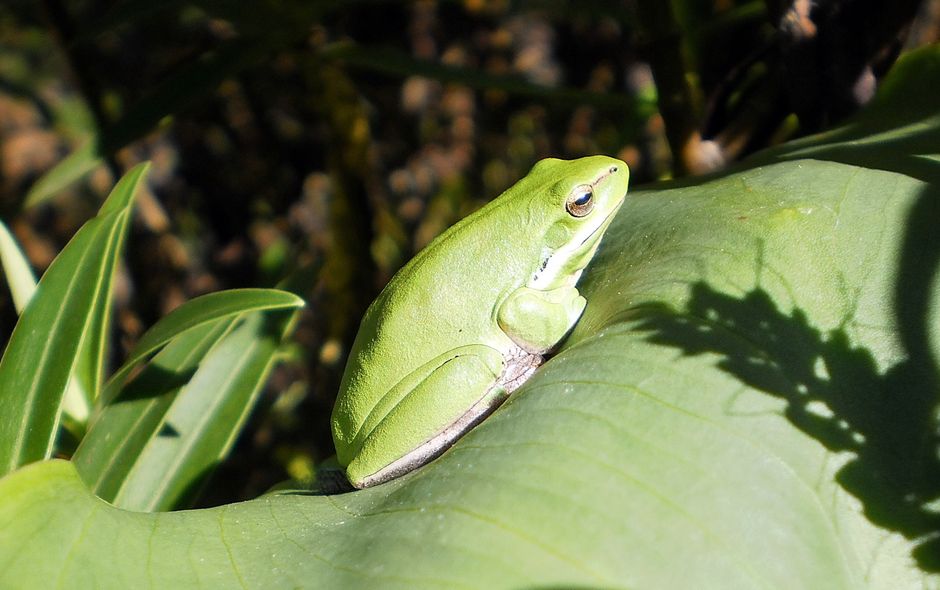
What Do White's Tree Frogs Eat? Complete Diet Guide
Discover the ideal feeder insects, safe portion sizes, and feeding schedules to keep your pet White's tree frog healthy and thriving.
 🐸Amphibians
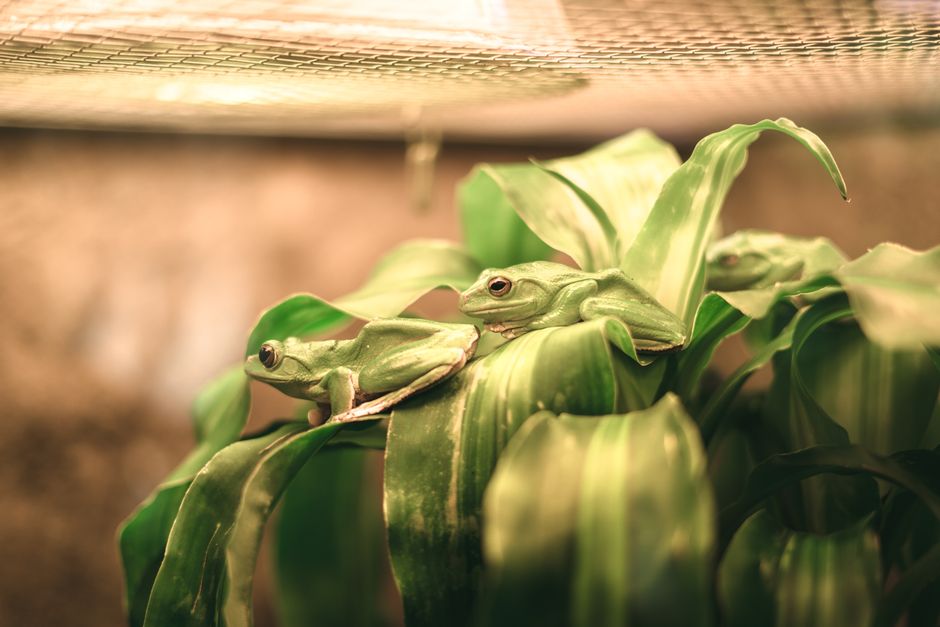
White's Tree Frog Habitat Setup: Beginner Guide
Build the ideal White's tree frog habitat setup with proper tank size, gentle heat, humidity control, and safe substrate choices.