
Hamster Care Guide: How to Raise a Happy Pet
Hamsters are curious, energetic small animals that make wonderful companions when provided with proper attention and space. A complete hamster care guide involves giving your pet spacious living quarters, deep bedding for natural burrowing, species-appropriate food, and daily enrichment that keeps their busy minds engaged. Meeting these core needs guarantees that your small companion stays active, confident, and physically healthy throughout life.
For many years, traditional advice suggested keeping these animals in tiny plastic modular cages with shallow wood shavings. Modern research shows that hamsters need significantly more room and thoughtful care than old pet shop standards suggested. Caring for a hamster today means respecting their natural wild behaviors, such as nocturnal foraging, tunnel building, and solitary living.
What Is the Best Hamster Cage Setup?
The best hamster cage setup provides large, continuous unbroken floor space with a deep layer of safe bedding where the animal can construct long burrow tunnels. Choose an enclosure with solid flooring, tall sides to hold deep substrate, and a securely latched mesh lid for adequate ventilation.
Wire cages sold in typical chain pet stores are almost always too small for Syrian or dwarf hamsters. Tiny spaces lead to chronic stress, bar biting, and cage aggression. Instead, many keepers choose large glass tanks, modified storage bins, or wooden vivariums designed for small animals. A great enclosure allows your pet to run, hide, search for scattered seeds, and sleep without feeling cramped or cornered.
Choosing Safe Bedding and Substrates
Paper-based bedding without added scents or dyes is generally the safest substrate option for your pet. Avoid cedar and pine wood shavings completely, as aromatic oils in softwood shavings can irritate sensitive rodent respiratory systems.
Hamsters are passionate diggers by nature. Provide a deep layer of packed paper bedding across at least half of the habitat so your pet can build stable underground chambers. Adding botanical hay between layers helps tunnels hold their shape and encourages subtle foraging.
What Should You Feed a Hamster for Optimal Health?
A healthy hamster diet combines a high-quality commercial pellet or lab block with a diverse seed mix, supplemented by tiny portions of fresh vegetables and occasional animal protein. Pellets provide essential vitamins and balanced nutrition, while varied seeds encourage natural chewing and pouching instincts.
Hamsters love to gather food and carry it inside their cheek pouches to store in their underground burrows. Rather than serving everything in a standard bowl, try scatter-feeding their dry mix across the bedding. This stimulates their natural foraging instinct and prevents boredom. You can also offer clean water through a sturdy, drip-free sipper bottle or a shallow ceramic dish that cannot tip over.
- Fresh vegetables like dark leafy greens, broccoli florets, and zucchini slices twice a week.
- Safe protein sources like plain cooked chicken, mealworms, or boiled egg whites in tiny amounts.
- Clean, fresh seeds like sunflower, pumpkin, and millet offered in moderation.
- Hard wooden chew sticks and untreated cardboard toys to safely wear down continuously growing teeth.
Avoid feeding sugary fruits in excess, especially to dwarf species that are genetically prone to diabetes. Never give hamsters onions, garlic, citrus fruits, chocolate, or raw kidney beans, as these items are toxic to small rodents.
How Do You Keep a Hamster Mentally Enriched?
Keep a hamster mentally enriched by offering an appropriately sized solid-surface running wheel, several opaque hideouts, natural textures to explore, and challenging foraging puzzles. Mental stimulation stops destructive habits and keeps your pet physically fit during their active nighttime hours.
An upright running wheel is the single most important accessory you can put in the habitat. The wheel must have a solid running track without wire rungs that could catch tiny paws. Most importantly, the wheel diameter must be wide enough so your hamster can run without curving its spine backward. If your pet's back arches while running, the wheel is too small and will cause spinal damage over time.
Add cork bark tubes, ceramic hides, cardboard tunnels, and small dig boxes filled with pet-safe coconut fiber or clean reptile sand. While small mammals have distinct vocalizations and social styles, just as guinea pigs squeak to communicate with their herd, hamsters are naturally solitary animals that find their joy through independent exploration and quiet night routines.
How Do You Tame and Handle a Pet Hamster Safely?
You can tame a pet hamster safely by speaking softly, moving slowly, and letting the animal willingly step onto your open hand in exchange for healthy treats. Give new hamsters several days of peace and quiet in their new habitat before attempting any physical contact.
Hamsters have relatively poor eyesight and rely heavily on their sense of smell and hearing to evaluate their environment. Always wash your hands with unscented soap before reaching into the cage so you do not smell like food. Never reach down from directly above your pet, as this mimics the sudden attack of an aerial predator like an owl or hawk.
Instead, lay your flat hand palm-up on the bedding with a sunflower seed or small treat in your fingers. Let your hamster sniff you and step onto your palm on their own terms. Once they show confidence, gently lift them a few inches above the substrate. Keep initial handling sessions brief, calm, and positive. Never disturb a sleeping hamster, as waking them abruptly can trigger a defensive nip.
What Are the Warning Signs of Hamster Illness?
Early warning signs of hamster illness include lethargy, dull eyes, labored breathing, sudden weight loss, overgrown teeth, and wetness around the tail area. Because hamsters are prey species, they instinctively hide symptoms of sickness until an issue becomes advanced.
Perform a quick physical inspection of your pet every week. Check that their coat is clean, their eyes are wide and clear, and their nose shows no discharge. Wet tail is a serious, fast-acting bacterial intestinal disease that causes severe diarrhea and dehydration, requiring immediate veterinary intervention. Respiratory infections can also develop quickly if bedding is dusty or damp.
It is wise welfare practice to find an experienced exotic-animal veterinarian before you bring your pet home, as ordinary small-dog and cat clinics often lack specialized rodent training. Regular checkups and prompt attention to minor changes in behavior will keep your companion comfortable and healthy.
Final Thoughts
Using an up-to-date hamster care guide makes creating a peaceful, stimulating home for your pet simple and rewarding. When you provide generous floor space, rich burrowing substrate, balanced nutrition, and gentle handling, your hamster will reward you with endless entertaining behaviors. Take some time to browse our other small animal care articles on RarePetCare to discover more tips for exotic companions.
Frequently Asked Questions
Can two hamsters live together in the same cage?
No, pet hamsters should always live alone in separate enclosures. Syrian hamsters are strictly solitary and will fight aggressively, while even social dwarf species frequently attack cage mates in captivity.
How often should you clean a hamster cage?
Spot clean soiled corners, soiled sand baths, and uneaten fresh food every couple of days. A deep cage clean is only needed once every three to six weeks depending on enclosure size, always preserving some clean, familiar-scented bedding.
Are hamsters nocturnal animals?
Most hamsters are crepuscular or nocturnal, meaning they are most active during twilight hours, dusk, and throughout the night. Do not force them to stay awake during the day, as interrupting their sleep cycle causes immense stress.
Do hamsters need water bowls or water bottles?
Hamsters can successfully use both, but a shallow ceramic bowl provides a more natural drinking posture. If using a bowl, place it on a sturdy platform to keep bedding from falling inside.
Explore More Small Mammals Guides
 🐹Small Mammals
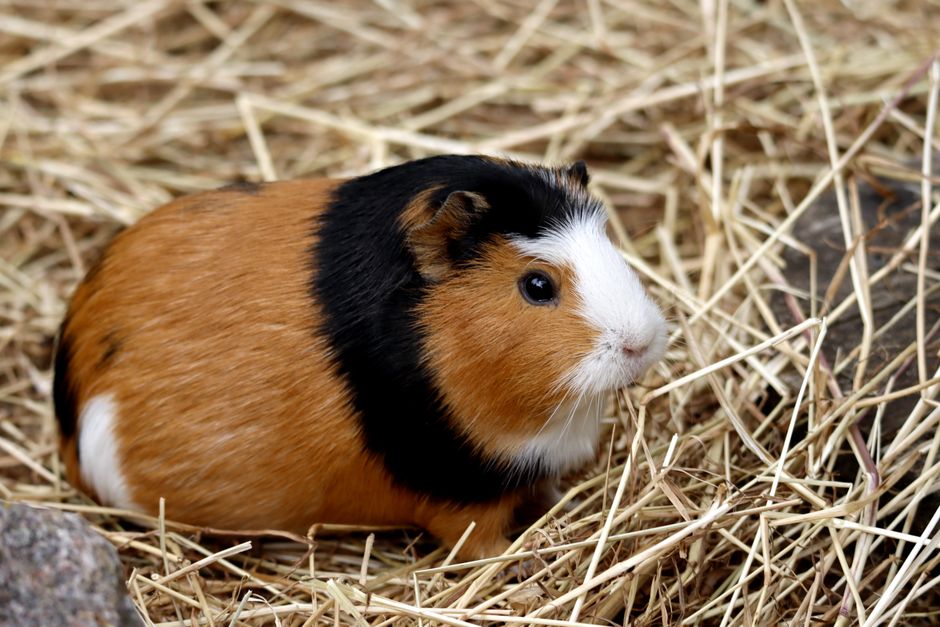
Why Do Guinea Pigs Squeak? Sound Guide
Learn why guinea pigs squeak, what different vocal sounds mean, and how to tell excitement from pain or fear.
 🐹Small Mammals
Why Is My Hedgehog Losing Quills? Key Causes
Discover why your hedgehog is losing quills, how to identify quilling versus mites, and practical ways to protect your pet's sensitive skin.
 🐹Small Mammals
Why Is My Ferret Shaking? Causes and Care Guide
Discover why your ferret is shaking, from normal waking tremors and excitement to medical issues that need quick vet care.