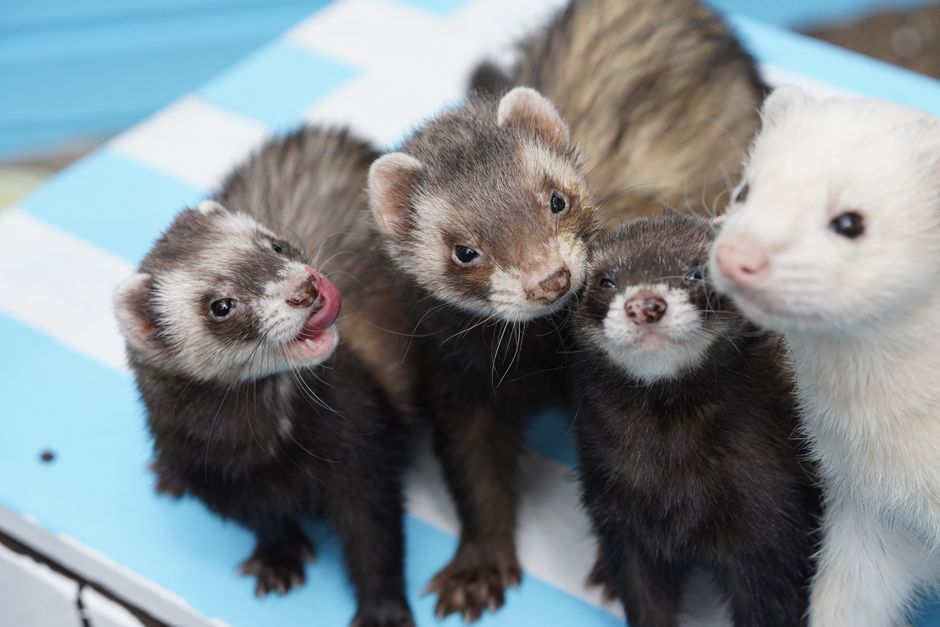
How to Stop Ferret Biting: Easy Training Steps
Ferrets are playful, curious bundles of energy, but sharp teeth can turn playtime painful very quickly. Knowing how to stop ferret biting starts with realizing that ferrets nip to communicate, explore, and establish social boundaries. With gentle consistency, short timeouts, and positive reinforcement, you can teach your pet that human skin is fragile and biting is never an acceptable way to get your attention.
Bringing a young kit home is exciting, but baby ferrets explore everything with their mouths. Their thick skin allows them to wrestle rough with littermates, so they genuinely do not realize human fingers hurt easily. Building trust takes a little patience, much like reading subtle body cues when you care for reptiles or learn why a ball python stops eating due to stress. With a calm approach, any ferret parent can raise a gentle companion.
Why Do Ferrets Bite?
Ferrets bite because they use their teeth as hands to explore objects, test boundaries, defend themselves from perceived threats, or invite play. Young kits bite out of habit because they roughhouse with siblings who have tough hide, meaning they must be actively taught that humans have delicate skin.
Understanding the root cause behind each nip helps you respond correctly instead of reacting out of frustration. When a kit lunges during play, it is simply treating your fingers like another kit. If an older rescue ferret nips when you reach into its cage, that behavior is usually driven by fear, lack of socialization, or cage defensiveness. Pain is another major factor. A sick or injured ferret will lash out to protect tender spots, so sudden aggression always warrants a quick checkup with an exotic-animal veterinarian.
Play Biting vs. Fear Biting
Play biting comes with bouncy hops, open mouths, and happy dooking sounds, where the ferret wants to tussle and be chased. Fear biting is completely different. A terrified ferret flattens its ears against its head, hisses, backs away slowly, or thrashes violently when held. You should never scold a scared ferret, because scolding confirms the pet's fear and ruins your bond.
How to Stop Ferret Biting During Play
To stop ferret biting during play, freeze your hand completely, give a high-pitched verbal cue like ouch, and immediately substitute your fingers with an appropriate chew toy. Removing your attention teaches the ferret that biting makes all fun games stop instantly.
Never jerk your hand away quickly when teeth touch skin. Ferrets have a strong prey drive, and sudden movements trigger an instinct to clamp down harder. Instead, remain calm and follow these practical habits during daily handling:
- Make a sharp, high-pitched squeak or yelp the second you feel teeth on your skin.
- Go limp for two seconds to avoid turning your hand into moving prey.
- Offer a plush fleece toy, rubber ball, or chew stick for them to bite instead.
- Praise your ferret in a soft voice as soon as they lick your skin or redirect onto the toy.
- Put the ferret down gently on the floor and ignore them for thirty seconds if the nipping continues.
Ferrets crave your attention above almost everything else. When they realize that biting ends the party, they learn bite inhibition quickly. Consistency across everyone in your household is essential so the animal never receives mixed signals.
Using Timeouts Correctly for Stubborn Ferret Nipping
The best way to handle persistent ferret biting is a brief timeout lasting between three and five minutes inside a small, boring pet carrier. Long punishments do not work because ferrets have short memories, so keeping the timeout under five minutes directly links the consequence to the bite.
Do not use your ferret's regular sleeping cage for timeouts. Your pet should view its main cage as a safe, cozy haven filled with hammocks and food, not a place of punishment. Instead, keep an empty plastic cat carrier nearby specifically for time out sessions. Make sure the carrier has no bedding, toys, or treats inside so the ferret gets bored.
When a hard bite occurs, say a firm no, pick up the ferret gently by the scruff of the neck if necessary to loosen the grip, and place the pet in the carrier. Walk away and stay out of sight. Once the three to five minutes pass, open the door calmly and resume quiet interaction. Never shake the carrier or yell, as anger only teaches your pet to fear your hands.
What You Should Never Do When Ferret Biting Happens
You should never hit, flick, pin down, or aggressively scruff a ferret when it bites, because physical punishment makes the animal defensive and aggressive. Harsh handling breaks trust, triggers severe fear biting, and can easily injure small mammal ribs or delicate neck bones.
Another common mistake is smearing bitter deterrent sprays on your hands without offering an alternative. Some ferrets actually enjoy the taste of bitter apple spray, while others become agitated and bite harder out of frustration. Focus on positive training and redirection rather than gimmicks.
It is also critical to understand that punishing an animal during a veterinary emergency or stress response will backfire. Always research a species' full adult needs before bringing them home, and make sure you have access to a qualified exotic veterinarian who understands mustelid behavior.
How to Bond With a Biting Ferret Through Positive Reinforcement
Bonding with a biting ferret requires rewarding gentle touches with high-value liquid treats like salmon oil dabbed directly onto your fingers or forearm. Licking treats off human skin teaches the ferret that your hands are sources of comfort and food rather than chew toys.
Liquid rewards work exceptionally well because ferrets cannot chew or bite while actively licking. Place a small drop of salmon oil or an approved veterinary paste on the back of your wrist. Allow the ferret to lick it off while you speak softly and stroke its back with your other hand. This simple exercise builds positive associations with human touch.
Keep training sessions short, ideally five to ten minutes at a time. Ending sessions while your ferret is calm and successful prevents overstimulation, which is when young animals tend to lose control and clamp down.
Final Thoughts
Patience and calm persistence are the true secrets to ending unwanted ferret biting for good. By setting clear boundaries, using short timeouts, and rewarding gentle interactions, you will turn painful nipping into sweet cuddles. Explore more RarePetCare guides to discover expert advice on small mammal care, diet tips, and natural habitats.
Frequently Asked Questions
How long does it take to train a ferret not to bite?
Most ferrets learn bite inhibition within two to four weeks of consistent redirection and short timeouts. Young kits take longer because they need time to grow out of their natural teething phase.
Does scruffing a ferret stop biting?
Scruffing can safely release a tight grip in an emergency, but using it as repeated punishment often makes ferrets resentful. Gentle timeouts and positive redirection work much better for long term training.
Why does my ferret bite my ankles or toes?
Ferrets chase and bite moving feet because rapid motion mimics prey and triggers their natural hunting and wrestling instincts. Freezing in place and redirecting them to a drag toy stops this habit.
Can a ferret bite out of illness or pain?
Yes, sudden biting from a previously gentle ferret often indicates pain, adrenal disease, or dental infection. Schedule a prompt exam with an exotic vet if your ferret's behavior changes without warning.
Explore More Small Mammals Guides
 🐹Small Mammals
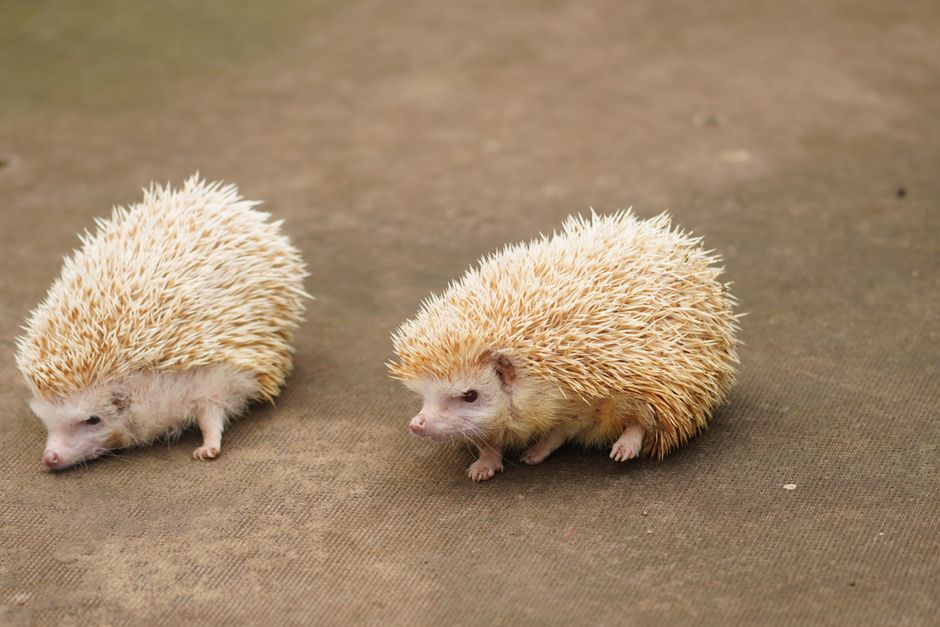
Hedgehog Quilling Signs: How to Comfort Your Pet
Recognize hedgehog quilling signs early and discover gentle ways to keep your prickly companion calm and comfortable.
 🐹Small Mammals
Why Do Great Apes Seem So Human? Science Explains
From tender parenting moments to shared expressions, find out why great apes feel so remarkably familiar to us.
 🐹Small Mammals
Why Do Big Cats Get Zoomies? Feline Play Explained
Discover why snow leopards and other big cats get the zoomies, and how this wild behavior mirrors our domestic companions.