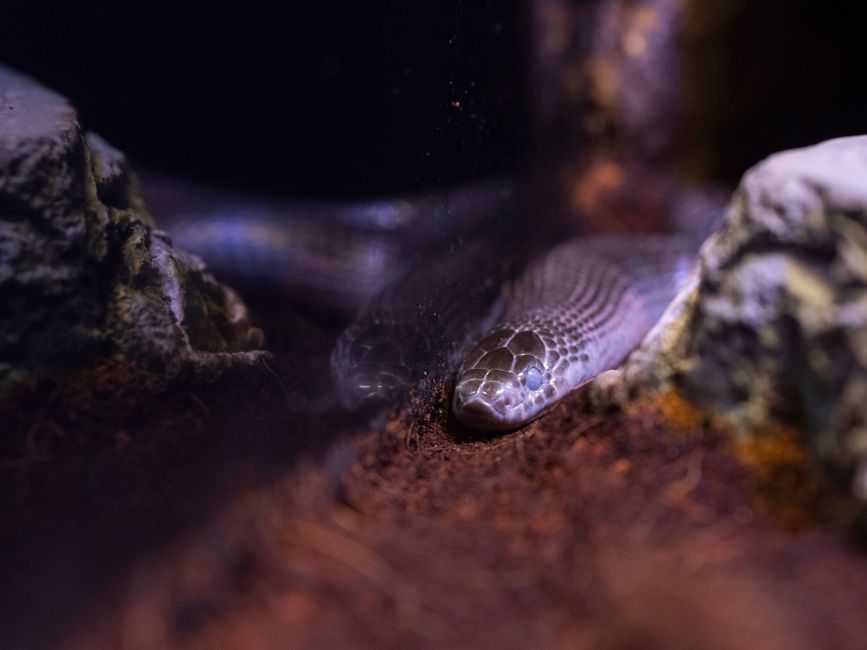
Hognose Snake Habitat Setup: Easy Guide for Beginners
Setting up a home for a Western hognose snake is one of the most rewarding parts of welcoming a new reptile into your family. Getting your hognose snake habitat setup right from day one gives your pet the security, warmth, and burrowing space it needs to thrive. In this detailed guide, you will learn how to choose the right enclosure size, ideal substrate, proper heating, lighting, and decorative hides for your new companion.
What size enclosure does a hognose snake need?
A hognose snake needs an enclosure that offers adequate floor space while helping the animal feel safe and secure. Young hatchlings do best in small enclosures because large open spaces cause them stress and can lead to missed feedings. Adult males stay much smaller than females, so an adult male can live comfortably in a smaller tank than an adult female will require.
Choosing between glass tanks and PVC enclosures
Glass terrariums are readily available and give you a clear view of your snake from every angle, but they tend to lose heat quickly through the sides. PVC cages hold heat and humidity much better and feature solid walls that help timid snakes feel hidden. Screen top lids work well for ventilation, but you must ensure every latch locks tightly because these snakes are clever escape artists that search for small gaps.
When selecting an enclosure, focus on floor space rather than height. Hognose snakes spend almost all of their time on or under the ground, so tall arboreal tanks leave valuable space unused. Provide enough length for your snake to stretch out completely along one side of the tank.
What is the best substrate for a hognose snake habitat setup?
The best substrate for a hognose snake habitat setup is shredded aspen bedding because it holds tunnels well and stays dry. Hognose snakes use their upturned snouts like tiny shovels to dig deep underground, so providing several inches of clean bedding allows them to act out their natural instincts.
Substrates you should avoid in your tank
Never use cedar or pine shavings in a snake habitat because aromatic softwoods release toxic oils that damage reptile lungs. Sand, gravel, and heavy clay can cause internal blockages if swallowed accidentally during feeding time. Coconut coir or topsoil can work in specific bioactive arrangements, but if these substrates stay damp, they can cause skin infections.
Here are the key qualities to look for in a good hognose substrate:
- Absorbent material that stays dry to prevent skin issues
- Dust-free fibers that keep nasal passages clear
- Lightweight texture that supports sturdy underground burrows
- Easy spot cleaning during weekly cage maintenance
How do you heat and light a hognose snake enclosure?
You should heat a hognose snake enclosure by creating a temperature gradient with a warm basking area on one side and a cooler area on the other. This thermal layout lets your pet move back and forth to regulate its own body heat throughout the day.
Overhead heat sources like ceramic heat emitters or deep heat projectors produce gentle warmth that sinks into the substrate. You can also use an under-tank heat mat, but it must be wired to an adjustable thermostat to prevent accidental burns when your snake burrows down to the bottom glass. Always test temperatures with a digital probe or infrared thermometer gun rather than relying on stick-on analog gauges.
Is lighting necessary for hognose snakes?
Provide a clear day and night routine by keeping overhead lights on during daylight hours and turning them completely off at night. While hognose snakes can survive without specialized ultraviolet light, adding a low-output UVB bulb supports natural daytime activity and healthy living.
Never leave white lights on overnight because dark rest periods are essential for keeping your pet calm and stress-free. If you have kept other popular reptiles like in our ball python habitat setup guide, you already know how consistent heat cycles keep your snake digesting food smoothly.
What humidity level is ideal for a hognose snake?
A hognose snake needs low ambient humidity, requiring a dry airflow throughout most of the enclosure. High humidity causes skin problems like scale rot and can lead to dangerous respiratory trouble.
Place a shallow water dish on the cool side of the tank so your pet can drink without raising the air moisture level across the entire cage. The water bowl should be heavy enough that your snake cannot tip it over while exploring.
How to create a humid hide for shedding
When your snake prepares to shed its skin, its eyes turn cloudy blue and its scales look dull. During this time, place a plastic hide box stuffed with damp sphagnum moss on the warm side of the enclosure. This provides a localized pocket of extra moisture so your snake can shed its skin smoothly in one piece without raising the humidity of the main tank.
What accessories should you put in a hognose snake tank?
You should put at least two dark hide boxes, fake leaf foliage, hollow logs, and sturdy climbing branches into your hognose snake tank. Hides provide private places where your pet can rest, digest meals, and sleep without feeling watched.
Put one hide box on the warm end and another hide box on the cool end so your snake never has to choose between feeling safe and staying warm. Add fake plants, cork bark tubes, and smooth stones across the floor space to break up open sightlines. This cover makes your snake feel hidden as it travels across the cage floor.
Before adding any exotic pet to your home, research its complete adult care requirements and connect with an exotic pet veterinarian in your city to schedule regular wellness checks.
Final Thoughts
Designing a solid hognose snake habitat setup provides your pet with the digging depth, thermal zones, and security required for a healthy life. By combining shredded aspen bedding with secure hides and controlled heat, you give your pet a safe home where it can express its natural behaviors. Check out our other RarePetCare guides to learn more practical tips for caring for unusual reptiles, birds, and small animals.
Frequently Asked Questions
Do hognose snakes need a water bowl in their tank?
Yes, place a shallow water dish on the cool side of the enclosure for drinking. Make sure it is heavy so your snake does not spill water into the dry substrate.
Can you house two hognose snakes together?
No, hognose snakes are solitary animals and should always be housed individually. Keeping them together causes severe stress and increases the risk of fighting.
How deep should the substrate be for a hognose snake?
Provide at least two to three inches of substrate so your snake can dig full burrows. Deeper bedding encourages natural digging behaviors and helps keep your snake calm.
How often should you clean a hognose snake enclosure?
Spot clean the bedding immediately whenever you see waste or spilled water. Perform a full substrate change and sanitize the tank once every month.
Explore More Reptiles Guides
 🦎Reptiles
How to Sex a Snake: Safe Methods for Keepers
Learn how to sex a snake accurately and safely using visual checks, popping, and professional probing techniques.
 🦎Reptiles
Marine Iguana: The Ocean-Feeding Lizard
Meet the marine iguana, the only lizard on Earth that dives into cold ocean waters to graze on underwater algae.
 🦎Reptiles
Hawksbill Sea Turtle Endangerment: What Happened
Learn the primary causes of hawksbill sea turtle endangerment, the history of the tortoiseshell trade, and how to protect them today.