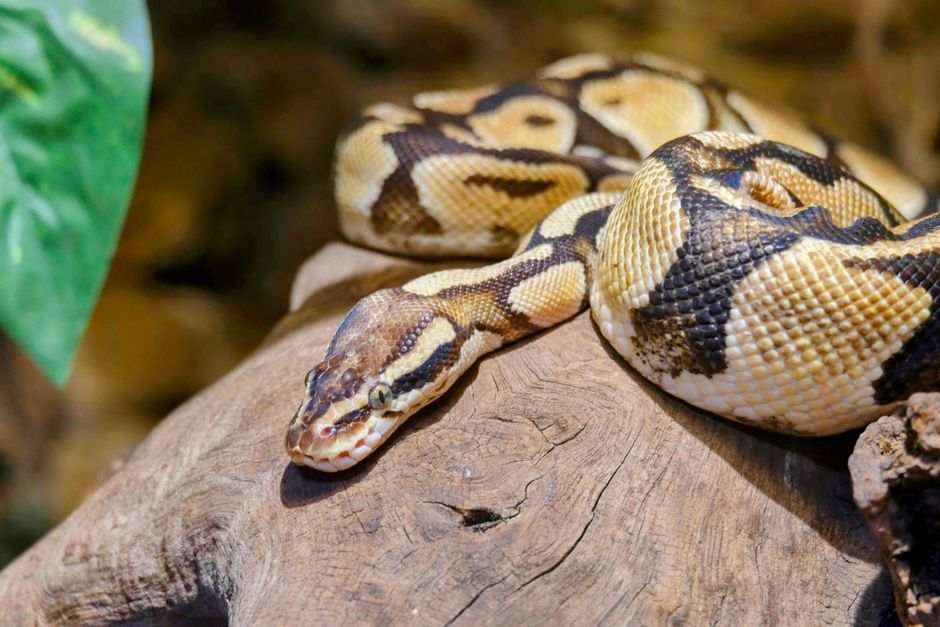
Ball Python Habitat Setup: Complete Beginner Guide
Setting up a home for a new snake can feel overwhelming when you first start, but it does not have to be complicated. A proper ball python habitat setup gives your pet a safe space where they can feed, rest, and shed easily. In this guide, you will learn how to pick the right enclosure, adjust heating and humidity, select safe substrate, and arrange hides for a confident snake.
What Size Enclosure Does a Ball Python Need?
A ball python needs an enclosure that offers enough room to move around while keeping them feeling secure and hidden. A young snake often does best in a smaller home, while a fully grown adult requires a much larger space with plenty of floor area.
PVC enclosures, glass terrariums, and plastic storage tubs are the three most common habitat choices. PVC enclosures are ideal because they retain internal heat and humidity exceptionally well. Glass terrariums look great in your home, but they often lose humidity through screen tops and allow heat to escape through the glass sides.
Plastic tubs are a practical option that holds moisture very effectively. Whichever container material you select, make sure the enclosure features sturdy locking clips or sliding locks. Ball pythons are strong and will push open loose lids if given the opportunity.
How Do You Set Up Heating and Lighting for Your Snake?
Ball pythons need a thermal gradient across their enclosure so they can regulate their own body temperature. This means one side of the tank must stay noticeably warmer than the opposite side. Your snake will move back and forth between these sides throughout the day to stay comfortable.
You can use an under-tank heat mat, a radiant heat panel, or a deep heat projector to create warm zones. Never connect any heating element directly to wall power without a thermostat controller. Unregulated heat sources can overheat rapidly and cause serious burns on your snake.
Using Thermostats and Timers Correctly
Place your thermostat probe right against the heating element or on top of the glass floor below the substrate layer. A reliable thermostat cuts power or dims the heater whenever temperatures rise past your target setting. Check your tank temperatures daily using a digital thermometer.
Ball pythons do not require specialized light to survive, but keeping a simple light on a timer helps create a clear day and night cycle. Turn lights off completely at night so your python can explore comfortably in total darkness.
How Do You Maintain Humidity in a Ball Python Habitat?
Maintaining proper humidity inside the enclosure is crucial for healthy skin, clear eyes, and smooth shedding. When humidity drops too low, your snake may suffer from stuck skin during a shed cycle, similar to how you might need to fix stuck shed safely on other reptile species.
Use a digital hygrometer placed inside the middle section of the enclosure to monitor daily moisture levels. Avoid analog dial gauges, as they are often inaccurate and can fall off sticky tape and hurt your pet's skin.
Creating a Moist Hide for Shedding
A humid hide offers an easy way to provide extra moisture without soaking the entire tank floor. Cut an entry hole into a small plastic container, smooth down any sharp edges, and line the inside with damp sphagnum moss. Place this moist box inside the enclosure when you notice your python's eye color turning cloudy before a shed.
If your setup uses a glass tank with a screen top, cover most of the mesh lid with aluminum foil tape or plastic panels. This simple trick traps rising moisture inside the tank while keeping enough airflow to prevent stagnant air.
What Is the Best Substrate for a Ball Python Habitat Setup?
The right substrate holds moisture without rotting or encouraging mold growth. Coconut husk chips, shredded coconut coir, and cypress mulch are top bedding choices for a ball python habitat setup. These substrates absorb waste, retain humidity naturally, and allow your python to burrow slightly if they wish.
Paper towels or unprinted newspaper work well for newly acquired snakes during their initial isolation period. Paper bedding makes spot cleaning simple and allows you to check for external parasites like reptile mites easily.
Never use aromatic softwoods like pine or cedar shavings anywhere near your snake. These woods release natural oils that irritate a reptile's respiratory system and skin over time. As a general welfare note, research a python's full adult size and home requirements before buying, and consult an exotic-animal veterinarian if you ever spot signs of illness or unusual behavior.
What Hides and Decor Keep a Ball Python Stress-Free?
Ball pythons spend much of their lives hidden inside burrows in the wild, so providing proper hides is essential for their mental well-being. Place at least two dedicated hides inside the enclosure, with one hide on the warm side and one on the cool side.
Select hides that have only one small opening and fit your snake snugly. A python feels safe when their body touches all sides and the ceiling of the hide while curled up. If a hide is too spacious, fill the interior with extra substrate or synthetic moss so your snake feels enclosed.
Adding Decor and Water Dishes
Include a heavy ceramic or glass water bowl that your python cannot easily tip over. Choose a bowl wide enough for your snake to soak their body if they want to cool down or prepare for shedding.
Decorate the remaining floor space with artificial plants, sturdy resin logs, and smooth rocks. This clutter breaks up wide sightlines inside the tank, helping shy snakes feel hidden while moving between their warm and cool hides.
How Do You Clean and Maintain the Habitat?
Daily maintenance keeps your snake's enclosure clean and odor-free. Remove waste, wet substrate, and shed skin as soon as you spot them. Change the water bowl every couple of days, or immediately if your python leaves substrate inside the water.
If you plan to step away for a short trip, you might wonder about reptile routines, much like reptile owners ask how long can you leave a crested gecko alone. With reliable heat thermostats and fresh water, ball pythons handle short periods alone very well.
Perform a complete habitat clean-out every four to six weeks. Remove all substrate, scrub the enclosure with reptile-safe cleaner or warm soapy water, rinse thoroughly, and let everything dry completely before adding fresh bedding and clean hides.
Final Thoughts
Setting up a ball python habitat setup carefully from day one ensures your pet stays healthy, comfortable, and active for years to come. Take time to check your heating, monitor humidity, and keep hides cozy for your new snake. Check out our other RarePetCare guides to learn more practical care tips for your exotic pets!
Frequently Asked Questions
Can you keep a ball python in a glass tank?
Yes, you can keep a ball python in a glass tank if you modify it to hold humidity and heat properly. Covering part of the mesh screen lid with aluminum foil tape helps maintain ideal moisture levels.
Do ball pythons need light at night?
No, ball pythons do not need light at night and prefer total darkness to explore comfortably. Keeping lights on 24 hours a day causes stress and disrupts their natural sleep cycle.
How often should you replace ball python substrate?
You should spot clean waste daily and replace all substrate during a full enclosure cleaning every four to six weeks. Regular substrate replacement prevents bacteria growth and keeps your snake healthy.
Should a ball python hide have a bottom?
A ball python hide does not need a bottom as long as it rests on comfortable substrate inside the tank. Bottomless hides are easier to clean and allow your python to nestle directly into the bedding.
Explore More Reptiles Guides
 🦎Reptiles
Marine Iguana: The Ocean-Feeding Lizard
Meet the marine iguana, the only lizard on Earth that dives into cold ocean waters to graze on underwater algae.
 🦎Reptiles
Hawksbill Sea Turtle Endangerment: What Happened
Learn the primary causes of hawksbill sea turtle endangerment, the history of the tortoiseshell trade, and how to protect them today.
 🦎Reptiles
Longest Wild Snake Ever Found: A Record Python
A record-setting giant reticulated python discovered in Indonesia reveals how large wild snakes can grow in undisturbed rainforests.