Why Is My Tarantula on Its Back? Molting vs Dying
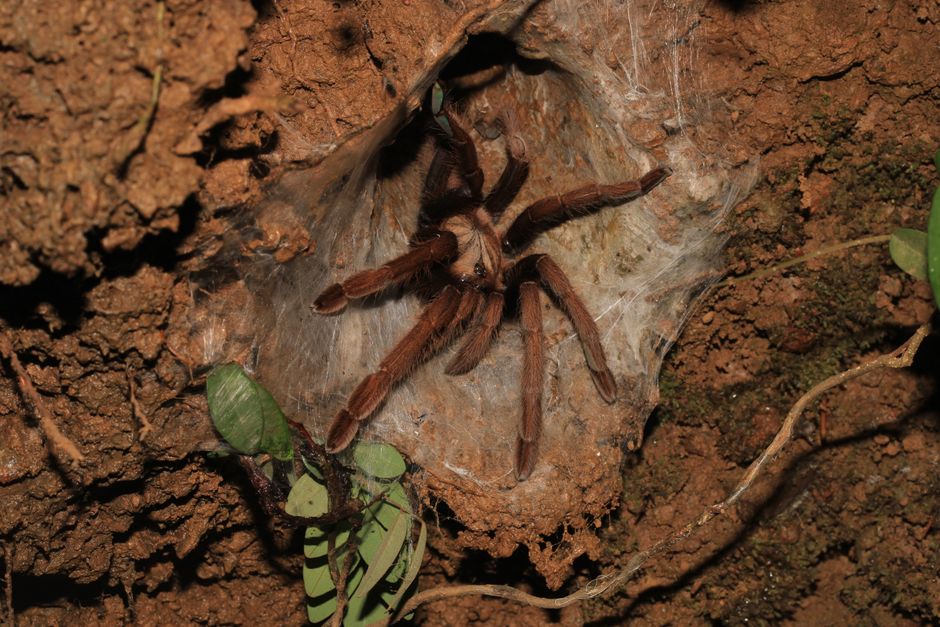
Finding your tarantula on its back can be terrifying for any new keeper. When a tarantula flips upside down, it is almost always preparing to shed its old exoskeleton through a natural process called molting. Spiders lie on their backs because gravity helps them slide free from their old skin without crushing their soft new bodies.
While your first instinct might be to gently nudge your pet or flip it back over, doing so can cause fatal injuries. Understanding the molting cycle will help you stay calm and give your pet spider the quiet environment it needs to complete this delicate stage.
Is a Tarantula on Its Back Molting or Dead?
A tarantula on its back is almost certainly alive and actively molting. Terrestrial and arboreal tarantulas flip onto their backs to ease the physical strain of shedding their hard outer layer. Gravity works with the spider in this position, letting internal fluid pressure push open the old shell so the spider can pull its legs free.
Dead tarantulas rarely die lying on their backs. When a spider passes away, its leg muscles contract naturally beneath its body due to a loss of hydraulic pressure. If your spider is flat on its back with its legs relaxed or pointed slightly upward, it is in the middle of a molt and should not be disturbed.
What Does a Tarantula Death Curl Look Like?
A dying tarantula assumes a specific posture known as a death curl, where all eight legs fold tightly underneath the body while the spider sits right-side up. This happens because spiders rely on fluid pressure to extend their legs. When a spider becomes severely dehydrated or reaches the end of its lifespan, it loses the hydraulic pressure needed to keep its limbs open.
In a true death curl, the spider's carapace remains upright or tilted on its side, with the legs tucked into a tight ball underneath the belly. By contrast, a molting spider rests upside down with its legs spread outward or bent naturally at the joints. Observing the exact position of the legs gives you a clear answer about your pet's current state.
Key Differences Between Molting and the Death Curl
- Molting posture: The spider lies flat on its back with legs extended loosely outward or pointed up toward the enclosure lid.
- Death curl posture: The spider sits upright with all legs curled firmly beneath its body and cephalothorax.
- Web mat: Molting spiders almost always spin a dense silk mat to lie on before flipping over.
- Abdomen condition: A molting spider often has a swollen, dark abdomen, whereas a dehydrated spider may have a shriveled abdomen.
Just like other invertebrates that shed or swap armor, spiders are extremely vulnerable during this transition. If you keep other exotic invertebrates, you might recognize similar vulnerability patterns, such as why is my hermit crab leaving its shell when stress or habitat changes occur.
What Should You Do When Your Tarantula Is on Its Back?
When you see your tarantula on its back, the best action you can take is to leave the enclosure completely undisturbed. Step away from the tank, dim the lights in the room, and avoid any sudden vibrations or loud noises. Never touch the spider, blow on it, or try to turn it right-side up, because disturbing a molting tarantula can rupture its fragile new skin or trap its legs inside the old molt.
You should also ensure the enclosure has adequate humidity without spraying water directly onto the spider. Lightly moisten a corner of the substrate away from the web mat to keep the ambient air humid. If there are any live feeder insects inside the tank, remove them immediately if you can do so without shaking the habitat. Live crickets and roaches will readily bite and kill a defenseless molting spider.
Common Mistakes to Avoid During a Molt
- Touching or moving the spider: Never poke, prod, or flip the spider over.
- Leaving live feeders in the enclosure: Remove crickets or roaches so they do not chew on the soft new skin.
- Misting the spider directly: Heavy water droplets can shock the spider or hinder the shedding process.
- Feeding too soon: Wait several days to a couple of weeks after a molt before offering food, giving the fangs time to harden.
How Long Does a Tarantula Stay on Its Back?
A tarantula typically remains on its back for anywhere from two to twenty-four hours from start to finish. Young spiderlings often complete the entire shed in under an hour, while large adult tarantulas take much longer to pull their limbs free. It is normal for the spider to lie completely motionless on its back for hours before any visible movement starts.
Once the carapace pops open, you will see the spider slowly wiggle its legs and abdomen out of the old shell. After emerging, the spider will continue resting on or near its back while pumping fluid to expand its fresh exoskeleton. Always research your specific tarantula species to understand its growth rate, and consult an exotic-animal veterinarian or experienced keeper if you notice stuck limbs or fluid leakage.
Final Thoughts
Seeing your tarantula on its back is a natural milestone in your pet's life rather than an emergency. By giving your spider quiet time, clean air, and proper moisture, you provide the best possible conditions for a smooth shed. Check out our other care guides on RarePetCare to learn more about keeping your exotic pets healthy and thriving.
Frequently Asked Questions
Can a tarantula get stuck while molting on its back?
Yes, low humidity or dehydration can cause a tarantula's legs to become stuck in the old skin. If this happens, increasing ambient humidity can help the spider pull free safely.
How soon after molting can I feed my tarantula?
You should wait between seven and fourteen days before feeding an adult tarantula so its soft fangs can fully harden. Feeding too early can break the spider's fangs and prevent it from eating.
Why does my tarantula spin a web before flipping on its back?
Tarantulas spin a clean silk mat, called a molting bed, to cushion their bodies and protect their delicate new skin from sharp substrate particles and parasites.
How often do pet tarantulas molt?
Young spiderlings can molt every few weeks or months, while mature adult tarantulas usually molt only once every year or two as their growth slows down.
Explore More Invertebrates Guides
 🕷️Invertebrates
Praying Mantis Not Eating? Key Causes and Fixes
Discover why your praying mantis is refusing food, how to spot premolt signs, and what you can do to get them eating safely again.
 🕷️Invertebrates
Why Is My Hermit Crab Buried? Key Reasons
Learn why hermit crabs bury themselves in the substrate, how to tell if they are molting, and why you should never dig them up.
 🕷️Invertebrates
Why Is My Hermit Crab Leaving Its Shell?
Discover why your hermit crab is out of its shell and learn the immediate steps you should take to protect its soft body.