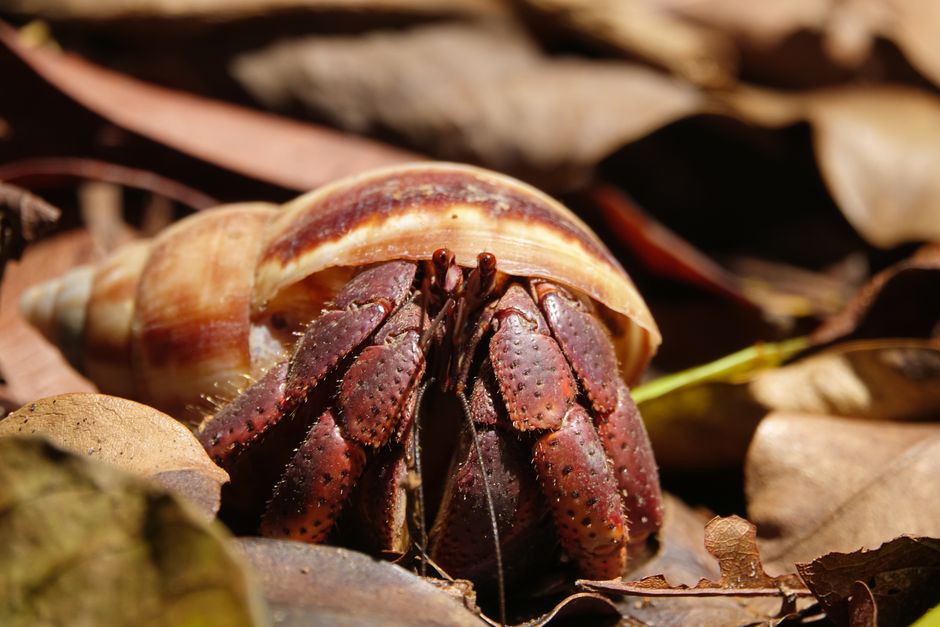
Why Is My Hermit Crab Buried? Key Reasons
Finding an empty tank surface can be alarming for any new keeper. If you are wondering why is my hermit crab buried, the short answer is that burrowing is a normal instinct for molting, regulating body moisture, cooling down, or recovering from stress. A buried hermit crab is almost always doing something essential for its health, so you should leave it undisturbed.
Land hermit crabs spend a significant portion of their lives underground. In the wild, digging into damp sand protects them from predators, harsh sunlight, and dry air. When your pet vanishes beneath the substrate, it is simply following its natural biology.
Why Is My Hermit Crab Buried in the Sand?
A hermit crab buries itself to shed its exoskeleton during a molt, to escape dry or cold air, or to decompress after arriving in a new home. Burrowing gives them a safe, humid microclimate where they can rest without disturbance.
New pet parents often panic when their crab disappears for days or weeks at a time. In most cases, this behavior means your crab feels safe enough in its habitat to carry out essential biological functions. The underground environment provides darkness, stable moisture, and consistent warmth that the surface cannot match.
There are four main reasons your pet chooses to dig down:
- Preparing for and completing an underground molt cycle.
- Recovering from the stress of shipping, pet store conditions, or handling.
- Escaping surface temperatures that are too hot, too cold, or lacking proper humidity.
- Seeking basic rest during normal daytime hours when they naturally sleep.
Is My Buried Hermit Crab Molting?
Your buried hermit crab is likely molting if it gorged on food and water before digging down and has remained buried for several weeks. During a molt, hermit crabs shed their hard outer skin underground to grow larger, a delicate process that requires complete darkness and isolation.
Molting is the most vulnerable phase of a crab's life. When a crab prepares to molt, it stores extra water and nutrients in a small fleshy bubble on its abdomen. Once underground, it wiggles out of its old exoskeleton, rests while its new skin hardens, and then eats the old shed skin to recycle vital calcium.
Signs of an Upcoming Molt
You can often predict an underground molt before your crab disappears. Watch for these common clues during normal evening activity:
- Cloudy, dull eyes or an ashen, faded look on the legs and claws.
- Excessive eating and drinking, especially around calcium sources and saltwater pools.
- Lethargy or slow movement right after a burst of intense digging.
- Frequent shell switching as the crab tests out larger prospective homes.
Small crabs might finish molting in two to three weeks. Larger specimens can remain buried for two to three months. Research the adult requirements of your specific crab species to understand their molting timelines and space needs.
Is Your Crab Stressed or Adjusting to a New Tank?
Hermit crabs frequently bury themselves to decompress after being adopted or moved to a new enclosure. Travel, handling, and poor pet store conditions cause severe stress, which crabs manage by hiding underground until they feel secure.
Newly purchased crabs experience what keepers call post-purchase stress. Before reaching your home, they likely endured crowded holding bins, bright lights, and improper humidity. Digging into deep, moist sand gives them a sensory break so their nervous systems can recover.
If you recently brought your pet home and it vanished the first night, do not panic. Give your new pet quiet time to settle in. Maintain fresh dechlorinated fresh water, marine saltwater, and quality food on the surface so meals are ready whenever your crab emerges at night.
Should You Ever Dig Up a Buried Hermit Crab?
No, you should never dig up a buried hermit crab unless there is an extreme emergency like a flooded tank, a bacterial bloom, or a pest invasion. Digging up a molting crab can collapse its cave, rupture its soft new skin, or cause fatal shock.
When a crab burrows, it carefully packs the damp sand to create a stable air pocket around itself. If you dig around with your fingers or a scoop, you risk caving in the chamber and suffocating the animal. Even worse, if you touch a crab while its new exoskeleton is still soft like jelly, you can permanently injure its limbs or gills.
Patience is the golden rule of hermit crab care. If you are worried about leaving your pet alone for weeks, remember that reptiles and invertebrates thrive on minimal disruption. If you also keep other exotic pets, our guide on leaving a reptile alone safely shares similar principles on how hands-off routines support animal well-being.
How to Maintain the Habitat While Your Crab Is Buried
You should maintain stable tank conditions while your crab is buried by misting regularly, keeping the lid sealed to trap humidity, and changing surface food and water every couple of days. Never let the substrate dry out or become soaking wet while a crab is underneath.
The substrate must stay moist enough to hold a tunnel shape, often described as sandcastle consistency. If the sand dries out into loose dust, your crab's molting cave could collapse. Check your digital gauges daily to confirm the enclosure retains safe, tropical humidity levels.
What to Do If the Tank Smells Bad
Keepers often worry their buried pet has passed away underground. A molting crab produces a distinct, slightly salty or fishy odor as it sheds and consumes its exoskeleton, which is completely normal. A deceased crab produces an unmistakable, overwhelming rotting smell that fills the entire room. If you do not smell a powerful, rotting odor, leave the sand untouched.
Keep surface dishes clean and continue offering small portions of dry foods like crushed leaf litter, dried shrimp, and calcium powder. Even if you do not see your crab, it might make brief midnight trips above ground before digging back down. Much like observing nocturnal reptiles, understanding natural animal sleep cycles helps set realistic expectations. You can learn more about quiet nighttime routines in our guide on how active snakes are throughout the day.
Final Thoughts
Understanding why is my hermit crab buried helps take the anxiety out of invertebrate keeping. As long as your enclosure has deep, damp sand and proper tropical conditions, your buried crab is safe and doing exactly what nature intended. Explore more RarePetCare guides to give your exotic companions the best care possible.
Frequently Asked Questions
How long can a hermit crab stay buried?
A hermit crab can stay buried anywhere from a few days for basic rest to three months or more for a complete molt cycle.
How do I know if my buried hermit crab is alive?
Trust the process and look for smooth sand disturbances at night, as a live crab will quietly molt or emerge to drink without creating a foul, rotting smell.
How deep should hermit crab substrate be for digging?
The substrate should be at least six inches deep, or three times the height of your largest crab, so it can build a safe underground cave.
Can a hermit crab suffocate under the sand?
No, a hermit crab will not suffocate under moist, packed sand because it constructs an open air pocket around itself before resting.
Explore More Invertebrates Guides
 🕷️Invertebrates
How Insect Declines Affect Wildlife and Habitats
A massive review of wildlife studies reveals that insect loss threatens animals far beyond just food chains, impacting shelter and defenses.
 🕷️Invertebrates
Praying Mantis Not Eating? Key Causes and Fixes
Discover why your praying mantis is refusing food, how to spot premolt signs, and what you can do to get them eating safely again.
 🕷️Invertebrates
Why Is My Tarantula on Its Back? Molting vs Dying
A tarantula on its back is almost always preparing to molt. Learn how to tell molting from illness and how to keep your pet safe.