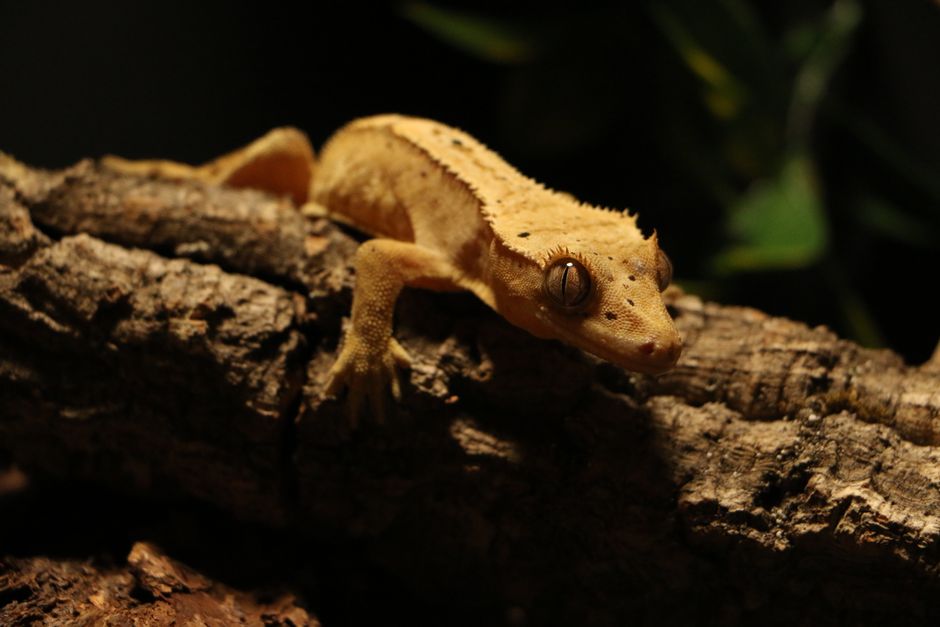
How Long Can You Leave a Crested Gecko Alone?
Planning a weekend trip or a brief vacation can leave reptile owners feeling anxious about their pets at home. If you are wondering how long can you leave a crested gecko alone, the general rule is two to three days for a healthy adult gecko. Crested geckos are low maintenance compared to many other exotic pets, but they still rely on consistent moisture and mild temperatures. Leaving your reptile without proper planning can lead to dehydration or heat stress. With the right setup, basic automation, and clean water, your pet will stay safe and comfortable while you are away.
How Long Can You Leave a Crested Gecko Alone Safely?
You can leave an adult crested gecko alone safely for up to forty eight hours, or up to three days if you use an automated misting system.
Age plays a major role in how long your gecko can stay home by itself. Young hatchlings and juveniles have much higher metabolic rates and smaller bodies. They dry out fast and require daily feeding and misting. Leaving a young gecko alone for more than twenty four hours is risky and can harm its growth.
Adult crested geckos store energy much better than young ones. An adult gecko usually eats every two or three days in a normal schedule. Skipping a single feeding session while you are away over the weekend will not harm an adult pet.
Hydration is far more critical than food. Geckos drink water droplets off plant leaves and glass walls after a misting session. If your terrarium dries out completely while you are gone, your pet can suffer from severe dehydration.
Always research your gecko's full adult care needs and consult an exotic animal veterinarian before leaving a sick, injured, or underweight gecko unattended.
What Are the Main Risks of Leaving a Gecko Unattended?
The main risks of leaving a crested gecko unattended include dehydration, dangerous temperature spikes, and spoiled food in the enclosure.
Dehydration is the single biggest danger for crested geckos. These arboreal lizards come from humid tropical environments in New Caledonia. They depend on regular misting to maintain skin health and drink properly. Dried ambient air causes difficulty during shedding cycles, leading to stuck skin on toes and tail tips.
Food decay happens quickly in a warm terrarium. Prepared commercial gecko diets start to ferment and grow mold within twenty four hours. If left in the tank for several days, decaying food attracts unwanted pests and produces bacteria that can make your gecko sick.
How Temperature Spikes Threaten Your Pet
Crested geckos prefer cool to moderate temperatures. Room temperatures above eighty five degrees Fahrenheit can cause fatal heat stroke in a short period. If your home climate control fails or sunlight shines directly onto the tank while you are gone, the temperature can quickly rise to dangerous levels.
Keeping track of environmental conditions keeps your gecko healthy over time. You can learn more about keeping your pet safe by reading our guide on How to Prevent the Top Reptile Health Issues.
How Do You Prepare the Enclosure Before You Travel?
Preparing your crested gecko enclosure before travel involves setting up light timers, installing an automatic misting system, and providing fresh water.
Start your preparations at least two days before you leave home. This extra time allows you to double check that all electrical devices and spray nozzles work correctly. Do not test a brand new mister on the morning of your trip, because equipment failures happen when you least expect them.
- Clean and fill a shallow water dish with fresh dechlorinated water so your gecko has a constant drinking source.
- Connect your terrarium lights to a reliable digital timer to maintain a twelve hour day and night cycle.
- Set up an automatic mister to spray the tank for thirty seconds every morning and evening.
- Feed your gecko a normal portion of food right before you leave, then remove any leftovers before locking up.
- Spot clean the enclosure substrate to remove waste and keep bacteria levels low.
Placing the terrarium in an interior room without direct sunlight prevents sudden temperature changes. Closed blinds and central climate control help maintain stable conditions during your trip.
What Should You Do for Trips Longer Than Three Days?
For trips lasting longer than three days, you must hire a pet sitter or ask a trusted neighbor to care for your crested gecko.
Even with automatic misting systems and light timers, long trips carry too many variables. Water reservoirs can run dry, power outages can clear digital timers, or misting nozzles can clog. A human presence ensures that your pet stays safe if something goes wrong with the electronics.
Instructions to Leave for Your Gecko Sitter
Keep your instructions simple and clear for your helper. Most pet sitters are not reptile experts, so detailed written guides prevent honest mistakes. Walk them through the tank setup before you pack your bags.
- Show them how to mix powdered food with water until it reaches the consistency of ketchup.
- Explain that they should never grab the gecko by its tail, as crested geckos can drop their tails when frightened.
- Leave the contact phone number and address for your local exotic veterinarian on the refrigerator door.
- Ask them to send a quick text message or photo of the temperature gauge every day.
If humidity drops too low while you are away, your gecko may struggle during shedding. This problem is similar to what happens with other lizards, as described in our article on How to Fix Leopard Gecko Stuck Shed Safely.
How Long Can You Leave a Crested Gecko Alone Without Food or Water?
A healthy adult crested gecko can survive without food for up to five days, but it cannot survive without water for more than two days.
Reptiles have slow metabolisms compared to mammals and birds. An adult crested gecko in good body condition carries enough energy reserves to skip meals for a short period without suffering permanent damage. However, going without food causes unnecessary stress and should be avoided whenever possible.
Water is completely non negotiable for crested geckos. Dehydration sets in rapidly when ambient moisture disappears. Your gecko loses moisture through respiration and skin evaporation. Without standing drinking water or mist droplets, kidney function decreases and your pet will quickly grow weak and lethargic.
Final Thoughts
Understanding how long can you leave a crested gecko alone gives you peace of mind whenever you travel. Adult geckos manage well during short two or three day breaks when you set up basic misting timers and supply clean water. For longer vacations, relying on a trusted sitter protects your pet from unexpected care interruptions. Explore more practical care guides on RarePetCare to give your exotic pets the best life possible!
Frequently Asked Questions
Can a crested gecko survive a weekend trip without a sitter?
Yes, an adult crested gecko can survive a short weekend trip if you supply clean drinking water and use an automatic misting system. Check that room temperatures remain cool and comfortable before you head out.
How often should an adult crested gecko be fed?
Adult crested geckos typically eat a prepared diet three times per week. They do not require daily feeding like growing juveniles.
Will a crested gecko starve if it does not eat for three days?
No, an adult crested gecko will not starve if it skips food for three days. Dehydration from low tank humidity is a much bigger health risk than temporary hunger.
Do crested geckos need light when you are away on vacation?
Yes, crested geckos need a regular day and night light cycle to maintain their internal sleep rhythm. Put your terrarium lighting on a digital timer set for twelve hours of light daily.
Explore More Reptiles Guides
 🦎Reptiles
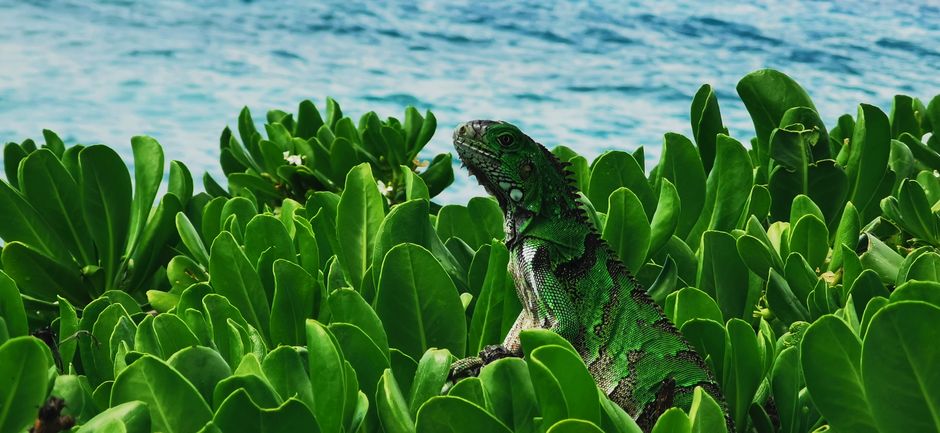
Marine Iguana: The Ocean-Feeding Lizard
Meet the marine iguana, the only lizard on Earth that dives into cold ocean waters to graze on underwater algae.
 🦎Reptiles
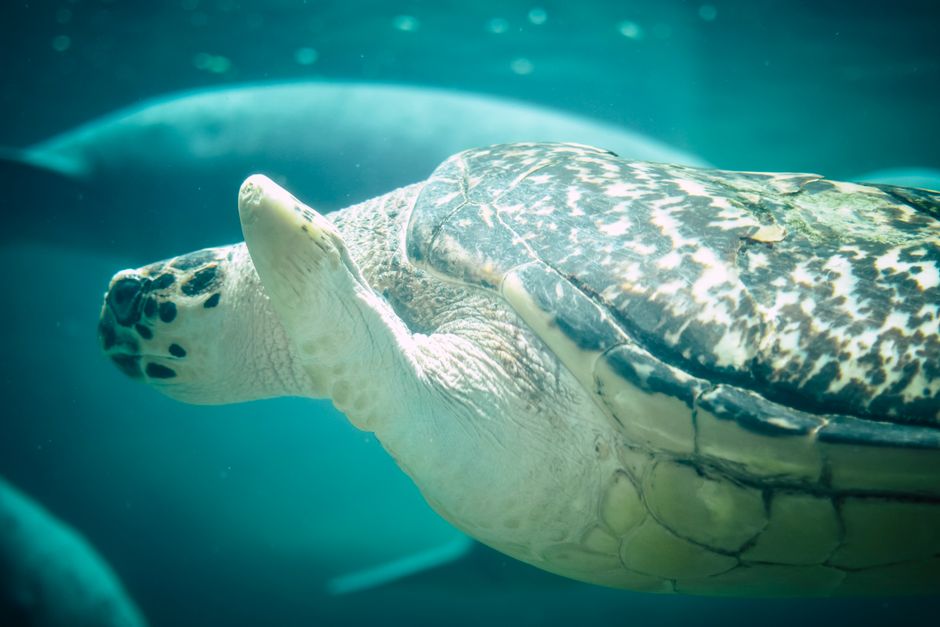
Hawksbill Sea Turtle Endangerment: What Happened
Learn the primary causes of hawksbill sea turtle endangerment, the history of the tortoiseshell trade, and how to protect them today.
 🦎Reptiles
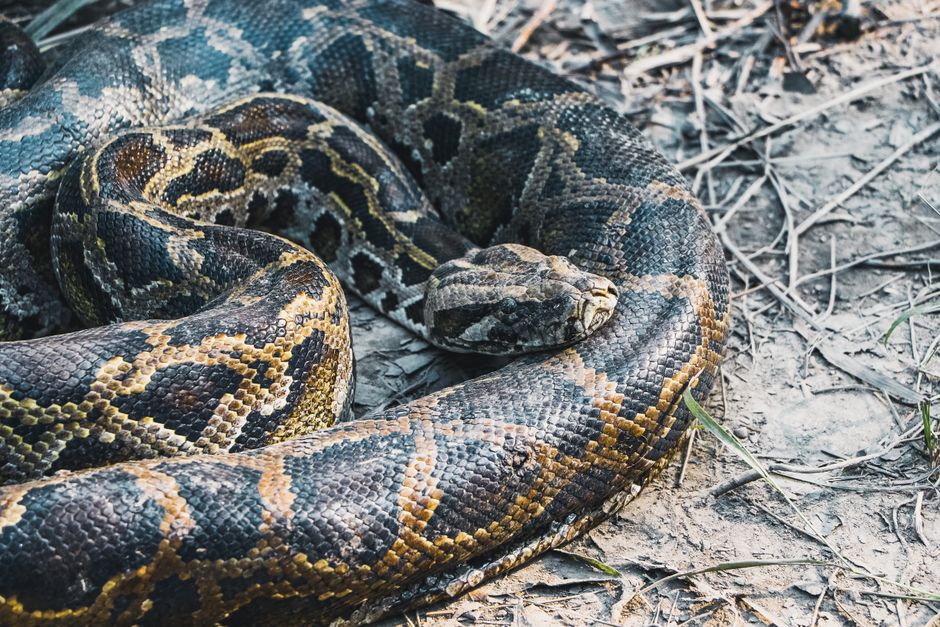
Longest Wild Snake Ever Found: A Record Python
A record-setting giant reticulated python discovered in Indonesia reveals how large wild snakes can grow in undisturbed rainforests.