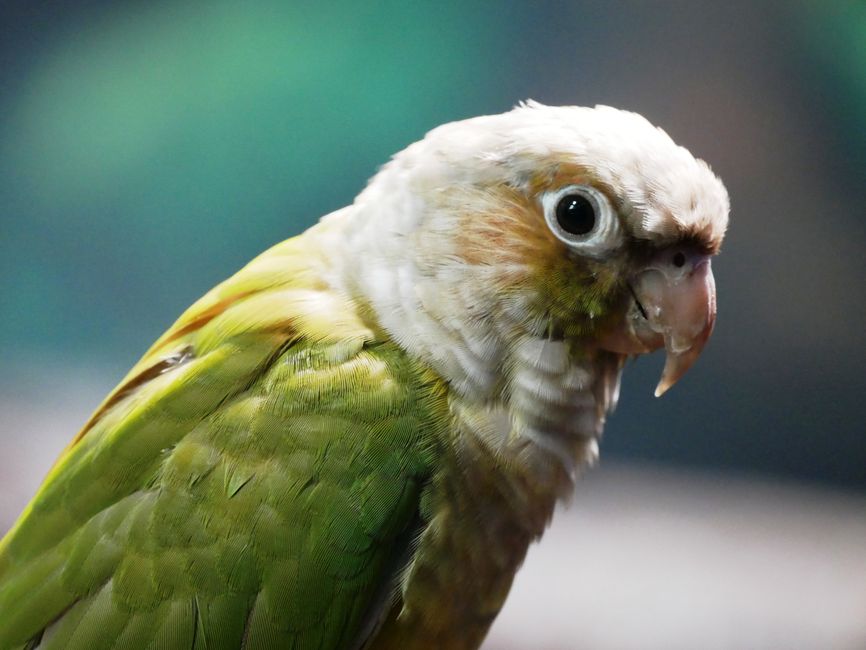
How to Bond With a Conure: Easy Beginner Guide
Bringing a new parrot into your home is an exciting milestone, but gaining their trust takes time and patience. If you want to know how to bond with a conure, you need a calm approach that respects your bird's natural boundaries. Conures are intelligent, social birds, yet they can feel easily overwhelmed in a brand-new setting.
Why Is Your New Conure Scared of You?
Conures are prey animals in nature, which means their instincts tell them to be cautious around large creatures. When you first bring your bird home, everything in their environment feels strange and potentially dangerous. The unfamiliar sights, household sounds, and new faces can make even a hand-raised bird feel nervous.
Your bird is not being stubborn or aggressive when they hide or back away from you. They are simply trying to keep themselves safe until they know you are trustworthy. Forcing interaction too quickly usually backfires and creates lingering fear.
Giving your bird time to acclimate is the first real step in building a strong relationship. Place their cage in a room where the family spends time, but keep it away from high-traffic walkways. This lets your bird observe your daily routine without feeling cornered or startled.
How to Set Up a Calm Environment for Bonding
A nervous bird will not form a close connection if their surroundings feel chaotic. Before starting any hands-on training, make sure your home offers a peaceful setting that encourages your pet to relax.
Keep ambient noise levels predictable during the first few weeks. Turn off loud televisions near the cage, avoid sudden shouting, and keep other household pets away from the enclosure. Birds rely heavily on visual safety, so placing one side of the cage against a solid wall gives them a secure vantage point.
Lighting also plays a major role in your parrot's mood. Ensure your bird gets a stable sleep routine with quiet nights. A well-rested conure is far more receptive to learning and interacting with you during the day.
How to Bond With a Conure Step by Step
Building a deep connection with your bird does not happen overnight. Following a predictable daily routine helps your pet feel secure enough to show their affectionate side.
Building Initial Trust Near the Cage
Start by spending quiet time near the cage without forcing any direct contact. Sit in a chair nearby and read a book, work on a laptop, or talk out loud in a soothing voice. Your conure will get used to your presence and learn that you do not pose a threat.
Avoid making sudden movements or direct, intense eye contact early on. Predators stare directly at their prey, so soft blinks and looking slightly away can actually help your bird feel more comfortable. Once your bird remains relaxed while you sit nearby, you can start offering treats through the cage bars.
Using Treats for Positive Reinforcement
Food is one of the most effective tools for taming a parrot and earning their affection. Identify a special reward that your bird loves, such as a piece of fresh fruit or a specific seed, and reserve it exclusively for training sessions.
Hold the treat near the cage bars and wait patiently for your bird to approach on their own terms. Never force the treat toward their beak or reach inside the cage abruptly. Let the bird step forward and take the treat from your fingers.
Here are a few great bonding rewards that conures typically enjoy:
- Small pieces of fresh apple, blueberry, or melon
- A single sunflower seed or safflower seed
- A tiny sprig of spray millet
- A tiny piece of unsalted nut like walnut or almond
Repeat this process several times a day in short sessions. Over time, your bird will associate your hands with positive experiences rather than fear.
Teaching Your Conure to Step Up Safely
Once your conure comfortably accepts treats through the bars, you can begin training them to step onto your finger or hand. Open the cage door slowly and offer a treat just out of reach, requiring your bird to step forward onto a perch or the door edge.
Gently press the side of your finger against their lower chest, right above their feet, while saying a clear cue phrase like step up. As the bird places a foot on your hand, offer praise and hand over the reward immediately. Keep training sessions brief, around five to ten minutes at a time, to avoid tiring your pet.
If your bird retreats or shows signs of fear, stop the session and try again later. Forcing a bird onto your hand will break the trust you worked so hard to build. If vocal frustration or loud calling becomes a challenge during training, you can read our guide on how to stop cockatiel screaming for useful insights on managing parrot vocalizations and setting gentle boundaries.
What Should You Do If Your Conure Bites?
Biting is a primary way birds communicate when they feel scared, stressed, or uncomfortable. Conures often use their beaks like a third hand to test perches, but a hard bite usually means you missed earlier body language cues.
Pay close attention to your bird's physical signals before reaching into the cage. Feather flaring, pinned pupils, an open beak, or a rigid stance are clear signs that your bird needs space. Respecting these warning signs prevents bites before they happen.
If your conure does bite you, try your best not to react dramatically. Screaming, jerking your hand away, or scolding the bird can actually reinforce the behavior. Some birds find big reactions entertaining, while others become even more frightened. Gently pull away without making loud noises, set the bird down calmly, and give them a short time-out to settle down.
Remember that animal welfare always comes first when caring for exotic pets. Always research a species' full adult care requirements and space needs before bringing one home, and consult an exotic-animal veterinarian if you notice sudden changes in behavior or appetite.
How Long Does It Take to Tame a Conure?
Every conure has a unique personality, background, and comfort level with humans. Some young birds warm up to their owners within a few weeks, while rehomed or rescue birds may take several months to feel completely secure.
Consistency is the key factor in how quickly your bird adjusts. Daily, positive interactions for just fifteen minutes yield far better results than one long session on the weekend. Stay patient and celebrate small milestones, such as your bird leaning in for a head scratch or stepping onto your hand willingly.
Never compare your bird's progress to videos you see online. Taming a parrot is a journey built on mutual respect, and taking small steps every single day ensures a lifelong friendship.
Final Thoughts
Learning how to bond with a conure requires patience, gentle hands, and a deep understanding of bird body language. By moving at your bird's pace and using positive reinforcement, you will create a close connection that lasts for decades. Be sure to explore our other bird care guides on RarePetCare to keep your feathered companion healthy and thriving.
Frequently Asked Questions
How do I know if my conure trusts me?
A conure that trusts you will relax its feathers, preen in your presence, accept treats gently from your hand, and willingly step onto your finger.
Why does my conure nibble on my fingers?
Conures use their beaks to explore textures and balance themselves, so soft nibbling is usually a sign of curiosity rather than aggression.
Can an older conure still bond with a new owner?
Yes, adult and rescued conures can form deep bonds with new owners when given time, patience, predictable daily routines, and treat rewards.
How many hours a day should I spend with my conure?
Aim for at least one to two hours of direct interaction each day to maintain a strong bond and keep your parrot mentally active.
Explore More Birds Guides
 🦜Birds
Wild Parrots of San Francisco: Rescue and Urban Life
A wild red-masked parakeet was freed by firefighters in San Francisco, showing the unique challenges feral parrot flocks face in the city.
 🦜Birds
How to Bond with a Bird: Safe Steps for Pet Parents
Learn how to bond with a bird using gentle body language, predictable routines, and positive reinforcement to build lifelong trust.
 🦜Birds
How to Stop Parrot Screaming: Safe and Proven Fixes
Discover humane, practical strategies to calm a loud bird, eliminate attention shrieks, and restore peace to your home.