
How to Bond With a Sugar Glider: Easy Guide
Learning how to bond with a sugar glider requires patience, scent recognition, and daily interaction through bonding pouches and gentle treats. Bonding is the process of building mutual trust with your sugar glider so they view you as a safe companion rather than a predator. With consistent effort, most gliders learn to recognize your scent and voice over time.
When you bring a new glider home, you might feel overwhelmed by their loud vocalizations and skittish nature. Do not worry because defensive behavior is completely normal for a small prey animal in a new home. By following a structured routine every day, you can earn their trust and form a deep bond with your pet.
Why is scent so important when bonding with a sugar glider?
Scent is the primary way sugar gliders identify family members and recognize safe environments. Placing items with your smell inside their enclosure helps your glider get used to you without feeling threatened.
Sugar gliders have keen senses, and scent carries far more weight for them than sight. You can jumpstart this bonding step by wearing a soft fleece scrap next to your skin for a few hours. After the fleece absorbs your scent, place it directly inside their sleeping pouch. Your pet will cuddle against the fleece while resting and begin associating your scent with warmth and safety.
Avoid using harsh perfumes, scented lotion, or strong soaps when handling your glider. Unfamiliar smells can confuse or overwhelm their sensitive nose and slow down your progress. Wash your hands with plain, unscented soap before starting any bonding activity so your pet recognizes your natural scent every time.
How do you use a bonding pouch for sugar gliders?
You use a bonding pouch by placing your sleeping sugar glider inside the zippered fleece bag and wearing it against your body during the day. This keeps your pet secure while acclimating them to your warmth, scent, heartbeat, and body movements.
A bonding pouch is one of the most useful tools for taming a shy or scared glider. During daytime hours, gliders naturally want to sleep in dark, quiet spaces. Carrying them in a breathable pouch around your neck or across your shoulder lets them stay close to you without forcing direct handling.
Make sure the pouch features proper mesh ventilation screens and a secure zipper. Avoid unzipping the bag in open rooms where a startled glider could leap out and hide behind furniture.
Tips for daily pouch time
Start with short pouch sessions lasting one hour while you sit quietly at home. As your pet grows comfortable and sleeps peacefully, you can wear the pouch for several hours while reading, working, or doing light chores around the house.
Speak softly to your glider while they are inside the pouch. Hearing your voice while wrapped in your scent reassures them that you are a safe presence in their life.
What treats help in sugar glider bonding?
Small pieces of fruit, mealworms, and approved treats help sugar gliders associate your presence with positive rewards. Hand feeding these treats builds trust faster during evening interaction times.
Food is a powerful motivator during the bonding process. Offer small treats directly from your fingers or from the palm of your hand when your glider wakes up in the evening. Allow them to approach you on their own terms rather than reaching inside the cage to grab them.
Be mindful of your pet's overall health and nutritional balance while offering rewards. Check our guide on what can sugar gliders eat to ensure you offer healthy snacks that fit their nightly diet without causing weight issues.
- Unsalted, plain cooked chicken pieces cut into tiny bites
- Small bits of fresh fruit such as apple or blueberry
- Live mealworms offered gently with your fingers
- Lickable treats like plain yogurt tasted off your fingertip
How should you handle a scared or crabbing sugar glider?
You handle a scared sugar glider by staying calm, avoiding sudden movements, and allowing them to move at their own pace without grabbing them. Crabbing is a defensive buzzing noise that means your glider feels startled, not aggressive.
When a glider feels cornered, they produce a sudden buzzing sound called crabbing. This noise can startle new owners, but it is simply a warning sign that the animal feels afraid. Never punish or squeeze a crabbing glider, as sudden force breaks trust immediately.
Instead, cup your hands gently underneath them or use a small fleece blanket to scoop them up softly. Let them sit on your flat palm without forcing them to stay. If your glider seems overly stressed, hides continuously, or stops eating, consult an exotic animal veterinarian for personalized guidance on health and care.
Creating a safe room for bonding tent sessions
Tent bonding is a wonderful step once your glider is comfortable inside their pouch. Set up a small pop up play tent in a quiet room, sit inside with a few safe toys, and let your glider crawl over you freely.
Ensure the tent is completely zipped shut and free of sharp items or gaps. Tent sessions allow your glider to climb on your arms, shoulders, and legs while exploring at their own speed.
How long does it take to bond with a sugar glider?
Bonding with a sugar glider usually takes anywhere from a few weeks to several months depending on the age, history, and personality of your pet. Consistency and short daily interactions are the key to building long term trust.
Every animal moves at its own pace. Younger joeys often adjust quickly, while older gliders with minimal handling history may require extra patience and time before feeling relaxed around humans.
Track small signs of progress rather than expecting instant results. When your glider stops crabbing when you open the cage, accepts food from your hand, or grooms your fingers, you know your bonding efforts are working.
Always research a species full adult needs, housing space, and social requirements before bringing an exotic pet into your home. Sugar gliders are social creatures that thrive when kept in pairs or small groups alongside plenty of daily attention from their owners.
Final Thoughts
Knowing how to bond with a sugar glider takes patience, daily pouch time, and positive food rewards, but the result is a rewarding friendship with your pet. By moving slowly and respecting their comfort boundaries, you can build a lasting connection. Explore more RarePetCare guides to learn best practices for housing, diet, and enrichment for all your exotic pets.
Frequently Asked Questions
Do sugar gliders bite during the bonding process?
Yes, sugar gliders may give soft test bites or defensive nips if they feel scared or smell food on your hands. Washing your hands and moving calmly helps prevent biting as trust develops.
Should you force a sugar glider out of its sleeping pouch?
No, you should never forcibly pull a sugar glider out of its sleeping pouch. Forcing interactions causes fear and delays the bonding process.
Can you bond with two sugar gliders at the same time?
Yes, you can bond with multiple sugar gliders together using a shared bonding pouch or joint tent sessions. Gliders often feel braver and safer when interacting alongside their cage mate.
What time of day is best for sugar glider bonding?
Evening is the best time for active bonding because sugar gliders wake up naturally at dusk. Daytime pouch carrying works best for passive scent bonding while they sleep.
Explore More Small Mammals Guides
 🐹Small Mammals
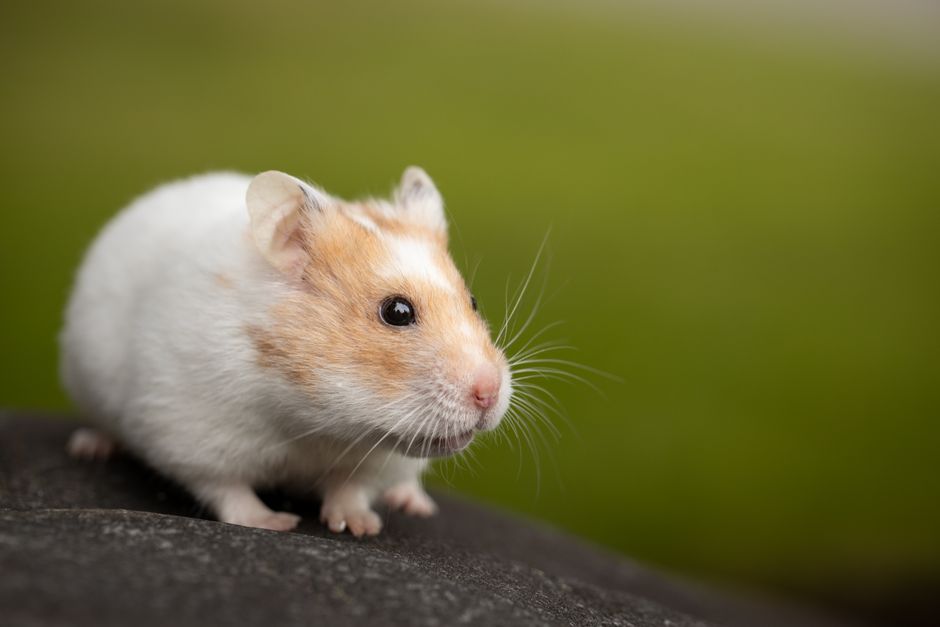
Hamster Care Guide: How to Raise a Happy Pet
Learn how to give your pet hamster the best life possible with our modern guide to cage setups, nutrition, and daily enrichment.
 🐹Small Mammals
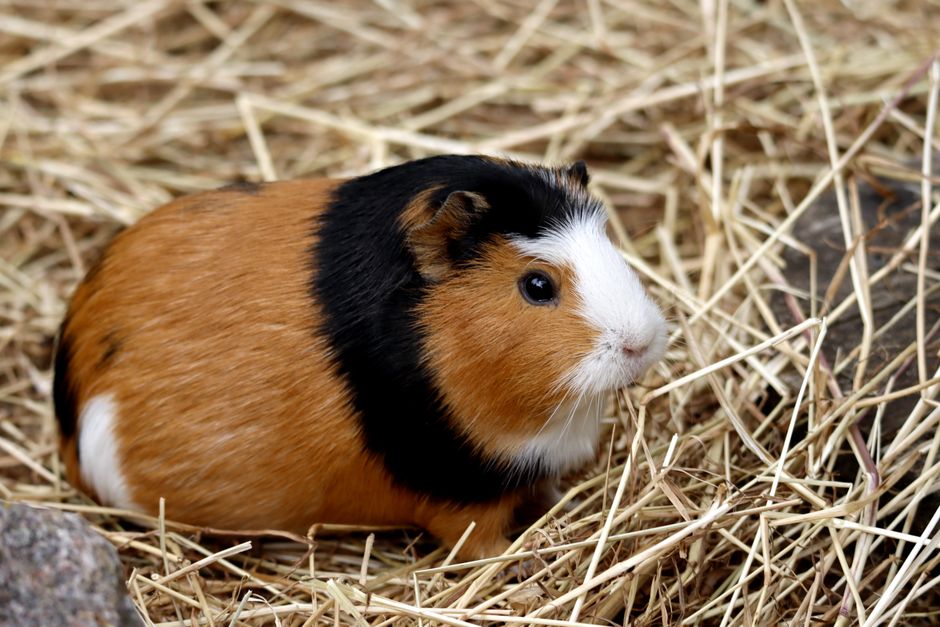
Why Do Guinea Pigs Squeak? Sound Guide
Learn why guinea pigs squeak, what different vocal sounds mean, and how to tell excitement from pain or fear.
 🐹Small Mammals
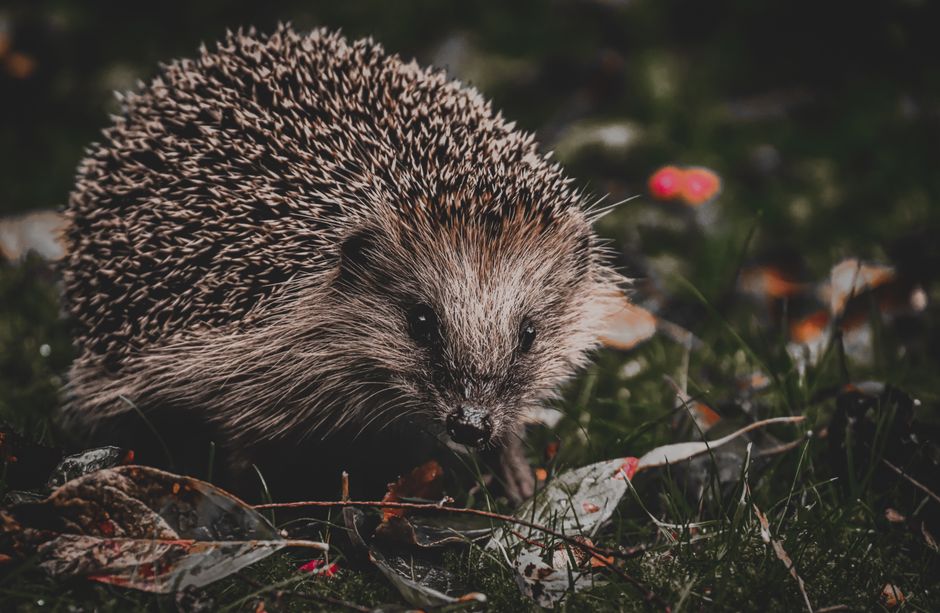
Why Is My Hedgehog Losing Quills? Key Causes
Discover why your hedgehog is losing quills, how to identify quilling versus mites, and practical ways to protect your pet's sensitive skin.