
What Can Sugar Gliders Eat? Complete Diet Guide
Sugar gliders are adorable nocturnal marsupials that make active, engaging companions. Feeding these small animals can feel confusing for new owners because their nutritional needs are very different from typical household pets. If you are asking what can sugar gliders eat to stay healthy and energetic, the answer lies in a carefully balanced mix of specialized staple foods, fresh produce, and lean protein.
What Can Sugar Gliders Eat for Their Daily Staple Diet?
Sugar gliders require a daily staple diet that mimics the natural tree sap, nectar, and pollen they consume in the wild.
In their natural habitat, these marsupials spend their nights searching for tree gums, eucalyptus sap, flower nectar, and small insects. In captivity, you cannot easily harvest tree sap every morning. That is why exotic pet experts rely on tested staple recipes, often called nectar mixes, or high-grade commercial formulas designed specifically for gliders.
A high-quality staple mix should make up the majority of your pet's total daily intake. You can prepare approved homemade nectar mixes using specific ingredients like egg, honey, and powdered supplements, or purchase trusted commercial glider foods. Avoid feeding generic small animal pellet blends or commercial bird seeds, as these lack the essential nutrients gliders need to survive.
Just like when you switch a bird to a pellet diet, changing a sugar glider over to a new staple food requires patience and consistency. Introduce new items gradually so their delicate digestive systems have time to adjust to the fresh flavors.
Safe Fruits and Vegetables for Sugar Gliders
Fresh produce offers vital hydration, natural vitamins, and variety to your glider's nightly routine. You should offer small portions of washed, diced fruits and vegetables alongside their main staple. Aim for safe fruits for sugar gliders that offer a balanced calcium to phosphorus ratio to keep their bones strong.
Here are some safe produce choices you can offer to your gliders in moderation:
- Papaya, mango, melon, and cantaloupe
- Fresh apples with all seeds and core completely removed
- Blueberries, raspberries, and strawberries
- Steamed sweet potatoes, squash, and pumpkin
- Fresh green beans, cucumbers, and bell peppers
Always chop produce into tiny pieces to prevent choking. Gliders prefer to hold small snacks in their paws while sitting on a branch. Remove any thick skins or tough rinds that might carry pesticide residue or cause digestive trouble.
What Insects and Protein Can You Feed Sugar Gliders?
Sugar gliders need high-quality animal protein sources like gut-loaded live insects, cooked eggs, and plain lean meats to support their energy levels.
Insects offer essential fats and protein while giving your pets a chance to exercise their natural hunting instincts. Crickets, mealworms, waxworms, and dubia roaches are all excellent enrichment foods. Make sure you buy live feeder insects from reputable exotic pet suppliers rather than catching bugs outside in your yard. Wild insects often carry harmful parasites or chemical lawn pesticides.
Before feeding live bugs to your pets, gut-load the insects with nutritious greens and root vegetables for a day or two. This step passes beneficial vitamins directly to your gliders when they consume the bugs. You can also lightly dust feeder insects with a calcium supplement approved by your exotic vet.
In addition to live insects, you can offer small amounts of cooked protein once or twice a week. Plain scrambled or hard-boiled eggs prepared without oil, butter, or salt are a popular treat. Tiny pieces of plain, unseasoned boiled chicken are also safe options. Keep protein portions small, as excess fat and protein can lead to unwanted weight gain.
What Foods Are Toxic and Dangerous to Sugar Gliders?
Foods like chocolate, caffeine, onions, garlic, grapes, raisins, avocado, and fruit seeds are toxic foods for sugar gliders and must never be offered.
Because gliders are so small, even a tiny bite of a toxic food can cause severe illness or organ failure. Chocolate and caffeine contain chemical compounds that speed up their heart rate to dangerous levels. Onions, garlic, and leaks damage red blood cells and lead to severe anemia.
Grapes and raisins are linked to acute kidney failure in small exotic mammals. Avocados contain persin, a compound that is toxic to many exotic animals. Fruit pits and seeds, such as those from apples, peaches, or cherries, contain trace amounts of cyanide that cause poisoning.
Avoid feeding these dangerous items under any circumstances:
- Chocolate, candy, and all caffeinated drinks
- Onions, garlic, leaks, and chives
- Grapes, raisins, and dried fruits treated with sulfur
- Avocados and high-fat raw nuts
- Raw beans, rhubarb, and tomato plants
- Cow's milk, cheese, and heavy dairy products
Sugar gliders cannot digest lactose efficiently, so feeding cow's milk or heavy dairy leads to painful bloat and severe diarrhea. Stick to safe, fresh foods to keep their digestive tract working properly.
What Is the Best Sugar Glider Feeding Schedule?
Establish a consistent sugar glider feeding schedule by offering fresh food once per day in the late evening, right around the time your pets wake up.
Since gliders sleep throughout the day and stay active all night, placing fresh food in their habitat at dusk ensures they eat when food is fresh and appealing. Serving meals in the morning leads to food sitting out all day in the heat, attracting insects and spoiling long before your pets wake up.
Set out fresh staple mix, small portions of chopped fruits and vegetables, and a few feeder insects every evening. Use multiple dishes if you keep a social pair or group of gliders so that dominant animals do not hoard all the best treats.
In the morning, clean out any leftover fresh food from the feeding dishes and cage floor. Removing scraps quickly keeps your habitat sanitary and prevents mold from growing on leftover fruit. Fresh, filtered water must be available at all times in a clean bottle or heavy dish.
Planning for proper nutrition and specialized care is essential for any exotic pet parent. If you ever run into unexpected health concerns from poor nutrition, medical care can be costly, which is why some owners look into exotic pet insurance to help manage unexpected veterinary bills. Always consult an exotic-animal veterinarian if your glider shows signs of sudden weight loss, lethargy, or changes in droppings.
Final Thoughts
Understanding what can sugar gliders eat is one of the most vital parts of caring for these unique nocturnal pets. By combining a reliable daily staple diet with fresh produce and high-quality protein, you provide your animals with everything they need for a long, happy life. Take a moment to explore our other RarePetCare guides to discover more expert tips on exotic pet care!
Frequently Asked Questions
Can sugar gliders eat bananas?
Yes, sugar gliders can eat bananas in small amounts as an occasional treat, but offer them sparingly because they contain high levels of phosphorus.
Can sugar gliders drink cow's milk?
No, sugar gliders are lactose intolerant and drinking cow's milk can cause severe diarrhea and painful digestive distress.
How often should you feed sugar gliders?
Feed your sugar gliders once per day in the late evening right when they wake up for their nocturnal activity.
Can sugar gliders eat raw nuts?
Nuts should generally be avoided because they are very high in fat and can cause obesity and digestive issues in gliders.
Explore More Small Mammals Guides
 🐹Small Mammals
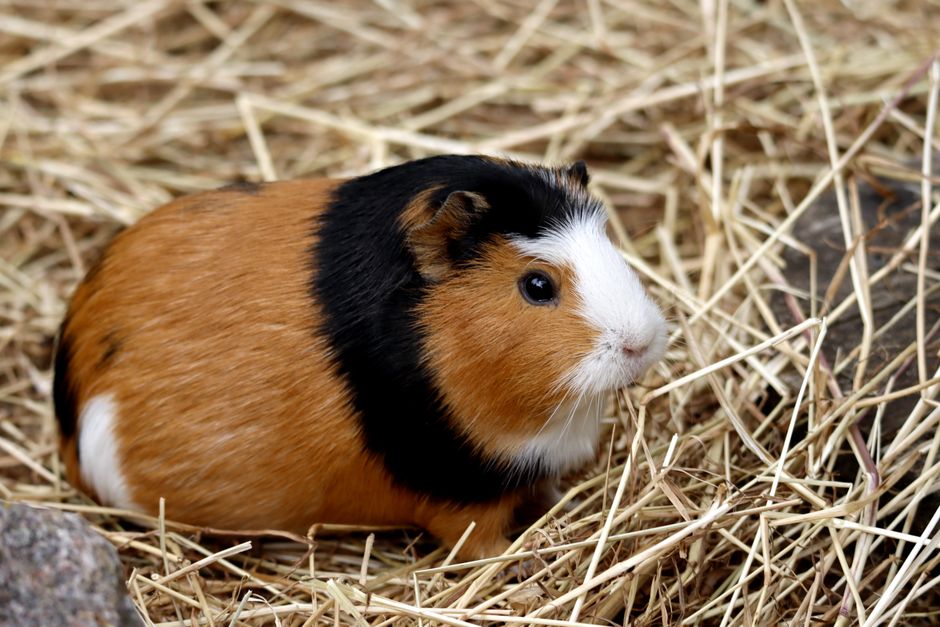
Why Do Guinea Pigs Squeak? Sound Guide
Learn why guinea pigs squeak, what different vocal sounds mean, and how to tell excitement from pain or fear.
 🐹Small Mammals
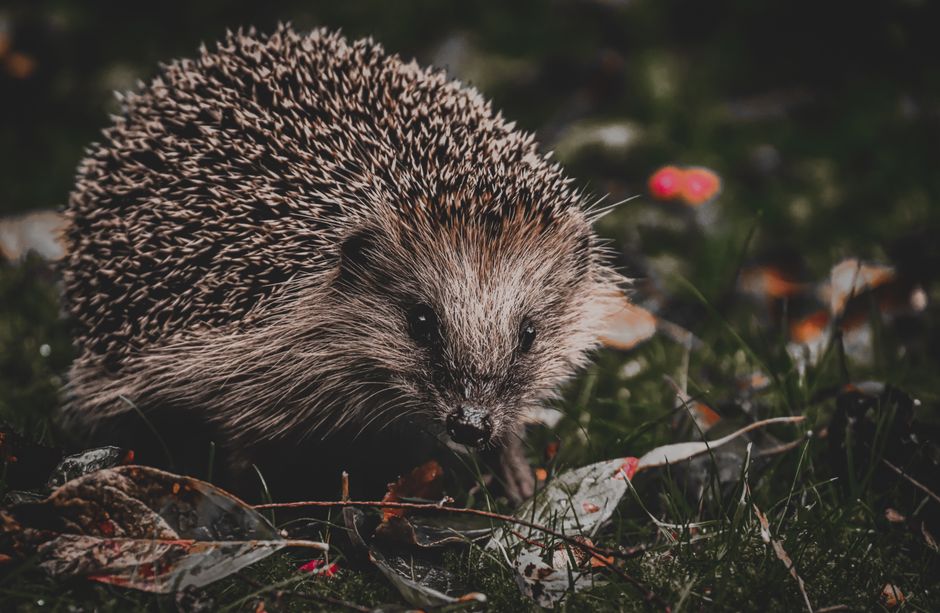
Why Is My Hedgehog Losing Quills? Key Causes
Discover why your hedgehog is losing quills, how to identify quilling versus mites, and practical ways to protect your pet's sensitive skin.
 🐹Small Mammals
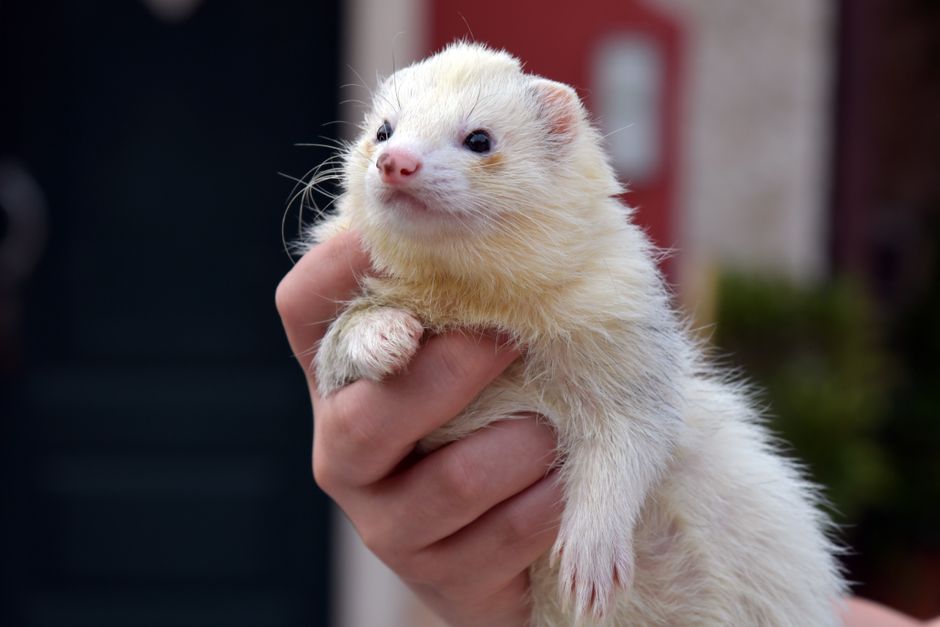
Why Is My Ferret Shaking? Causes and Care Guide
Discover why your ferret is shaking, from normal waking tremors and excitement to medical issues that need quick vet care.