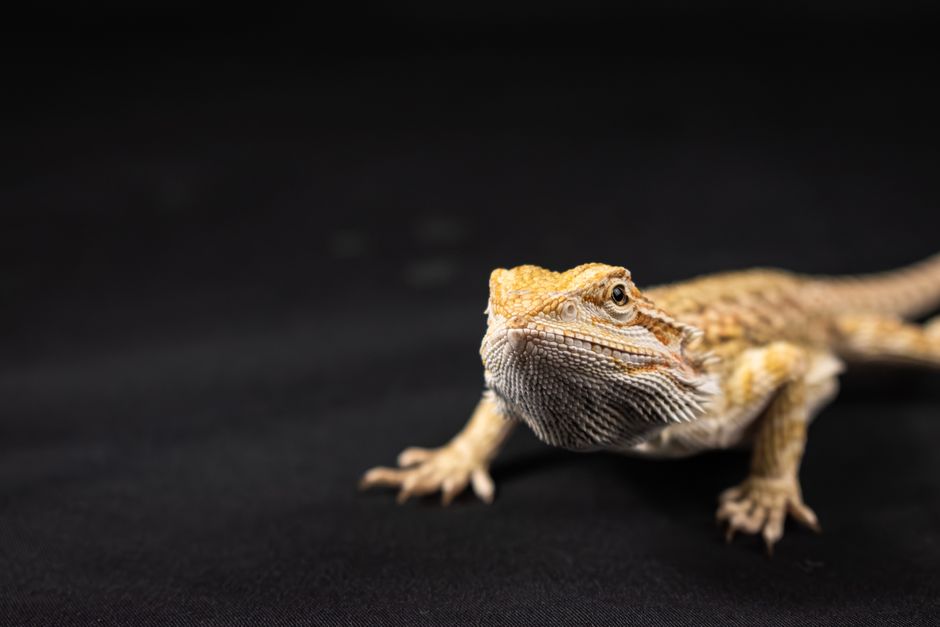
How to Sex a Lizard: Complete Identification Guide
Wondering whether your scaly companion is a boy or a girl? To learn how to sex a lizard, examine physical signs like hemipenal bulges at the base of the tail and prominent femoral pores along the inner thighs. While mature males typically display larger pores and twin bulges, juveniles often look identical, meaning patience and gentle observation are key.
Determining your pet's biological sex is more than just choosing the right name. It helps you prepare for sex-specific health concerns, such as egg binding in females or territorial aggression in males. Knowing the sex also ensures you do not accidentally house conflicting adults in the same enclosure. With the right techniques and a calm approach, you can identify your pet's sex without causing them stress.
How do you tell if a lizard is male or female?
You tell if a lizard is male or female by checking the underside of their tail base for hemipenal bulges and inspecting the inner thighs for enlarged femoral pores. Adult males generally show two distinct bumps behind the vent alongside pronounced pore secretions, while females usually have a flatter tail base and tiny, shallow pores.
The vent, also known as the cloaca, is the horizontal slit on the underside of your lizard where the body meets the tail. In male lizards, the reproductive organs known as hemipenes sit inside the tail just past this opening. When resting inside the body, these twin structures create two raised, parallel swellings running lengthwise down the underside of the tail.
Females lack hemipenes, so the area right behind their vent usually appears smooth and flat. Some females might show a single, small central bump or slight swelling, but they will not show the distinct paired bumps seen on a healthy male. If you keep different kinds of reptiles, you may already know that checking the tail area is common practice. Much like learning how to sex a snake, evaluating a lizard requires a steady grip and good lighting.
Age plays a huge role in your success. Trying to identify the sex of a hatchling or young juvenile is often impossible with the naked eye. Most lizards need to grow into their subadult or adult body before these anatomical traits develop enough for you to spot them clearly.
What physical traits reveal a lizard's gender?
The most reliable physical traits for lizard sex determination are hemipenal bulges, femoral pore size, tail base thickness, and overall head shape. In many popular pet species, males develop broader heads, thicker jowls, and brighter throat colorations than their female counterparts.
Looking at these traits together gives you the most accurate picture. While a single feature might be ambiguous on an individual animal, combining several clues makes sexing much easier.
Checking femoral pores and preanal pores
Femoral pores are specialized scent glands that run in a line along the underside of a lizard's thighs, while preanal pores sit in a row just in front of the vent opening. In adult males, these pores look like prominent, raised dots filled with a hard, waxy substance that the lizard uses to mark territory. In adult females, these pores remain tiny, faint dots that do not produce heavy waxy plugs.
To view these pores, gently lift your lizard and inspect their underside. You can also place your pet inside a clean, transparent plastic tub and look up from below. This clear container method is often the easiest and safest way to view the pores without having to turn your pet upside down, which can make them anxious.
Examining hemipenal bulges at the tail base
Hemipenal bulges are the twin mounds located on the underside of the tail, starting directly behind the vent. When you gently curve the tail upward at a soft angle, these two elongated bumps stand out clearly on a male. A female's tail base will stay relatively uniform and flat across the entire width.
Be careful never to bend the tail sharply backward over the lizard's spine. Bending the tail too far can cause serious spinal pain or even trigger tail dropping in species that shed tails when frightened. Always support the lizard's body with one hand while gently lifting the tail with the other.
How to sex a lizard using the flashlight method
You can sex small or translucent lizards by shining a bright LED penlight through the top of the tail base to illuminate the internal shadow of hemipenes. If two dark, elongated shadows appear inside the tissue along the sides of the tail, the reptile is male, while an absence of paired shadows indicates a female.
This technique, often called candling, works exceptionally well on small gecko species and young lizards with thinner, paler skin. It allows you to see the dense internal tissue of the hemipenes without having to squeeze or manipulate the animal's sensitive vent area.
To candle your lizard safely, place them in a clear plastic container inside a dimly lit room. Hold the small penlight directly against the top surface of the tail base, just above the vent. Look through the clear plastic bottom of the container to view the light passing through the tail. In a male, you will see two clear, red-tinted tubular shadows running parallel to each other. In a female, the light shines evenly through the tail tissue with only central blood vessels or bone visible.
What are common mistakes when sexing pet lizards?
The most common mistakes when sexing pet lizards are checking too early before sexual maturity, squeezing the cloacal area roughly, and confusing normal fat pads with hemipenes. Forcing a lizard's vent open without professional veterinary training can cause severe cloacal tearing, bruising, and prolapse.
Avoid these frequent pitfalls to keep your pet comfortable and safe:
- Attempting to sex hatchlings or young juveniles before their reproductive structures and pores have fully formed.
- Applying strong physical pressure or squeezing the vent to push organs out.
- Bending the tail backward toward the head, which can lead to stress, spinal trauma, or tail loss.
- Assuming color or head size alone is proof of sex, since healthy females can also display bold colors and robust heads.
As a responsible pet parent, always research your lizard's full adult needs and enclosure requirements before setting up your habitat. If you ever feel uncertain about your pet's health or anatomy, consult an exotic-animal veterinarian for a gentle physical check rather than taking risks at home.
Do male and female lizards behave differently?
Male lizards often display more intense territorial behaviors, such as aggressive head bobbing, throat puffing, and pacing during the breeding season. Females can still display similar postures, but they generally show these signs less frequently and may dig frantically when preparing to lay eggs.
Behavioral differences vary widely across species. In many social or semi-social lizards, mature males will show dramatic displays to claim basking spots and ward off rivals. Observing wild species like the marine iguana shows how strong these seasonal male displays and size differences can be in nature. In a home terrarium, a male might show frequent black bearding, rapid head bobs, or arm waving toward his reflection.
Female behaviors often center around reproductive cycles. Even without a male present, mature female lizards can produce infertile clutches. If you notice a female pacing her enclosure, scratching deeply in the corners, or refusing food, she may be getting ready to lay eggs. Providing a dedicated lay box filled with moist substrate ensures she can lay her eggs safely and prevents dangerous complications like egg binding.
Final Thoughts
Learning how to sex a lizard takes practice, patience, and a delicate touch. Once your pet reaches maturity, checking physical traits like femoral pores and tail contours will give you a clear answer without causing unnecessary stress. Explore our other RarePetCare guides to learn more about keeping your exotic pets healthy and thriving.
Frequently Asked Questions
At what age can you accurately sex a pet lizard?
Most pet lizards can be sexed accurately once they reach subadult or adult size, typically between six and twelve months of age depending on the species. Juveniles look almost identical because their pores and hemipenes have not fully developed.
Can you sex a lizard by its color?
Color can sometimes hint at a lizard's sex in sexually dimorphic species, where adult males often show brighter throat markings or bolder body patterns. However, color alone is not reliable because temperature, stress, and mood also cause dramatic shade changes.
Is manual popping safe for sexing lizards?
Manual popping should never be attempted on lizards by hobbyists, as it can cause serious cloacal tears, bruising, and permanent organ prolapse. Only experienced exotic veterinarians should perform internal physical checks.
Do female lizards lay eggs without a male present?
Yes, many female lizard species can produce and lay infertile eggs even if they have never mated with a male. Providing a suitable lay box with moist substrate during breeding season helps prevent egg binding.
Explore More Reptiles Guides
 🦎Reptiles
Keeping Tortoises Outside: Safe Outdoor Care Guide
Discover how keeping tortoises outside provides natural sunlight, healthy grazing, and active exercise in a secure outdoor enclosure.
 🦎Reptiles
How to Sex a Snake: Safe Methods for Keepers
Learn how to sex a snake accurately and safely using visual checks, popping, and professional probing techniques.
 🦎Reptiles
Marine Iguana: The Ocean-Feeding Lizard
Meet the marine iguana, the only lizard on Earth that dives into cold ocean waters to graze on underwater algae.